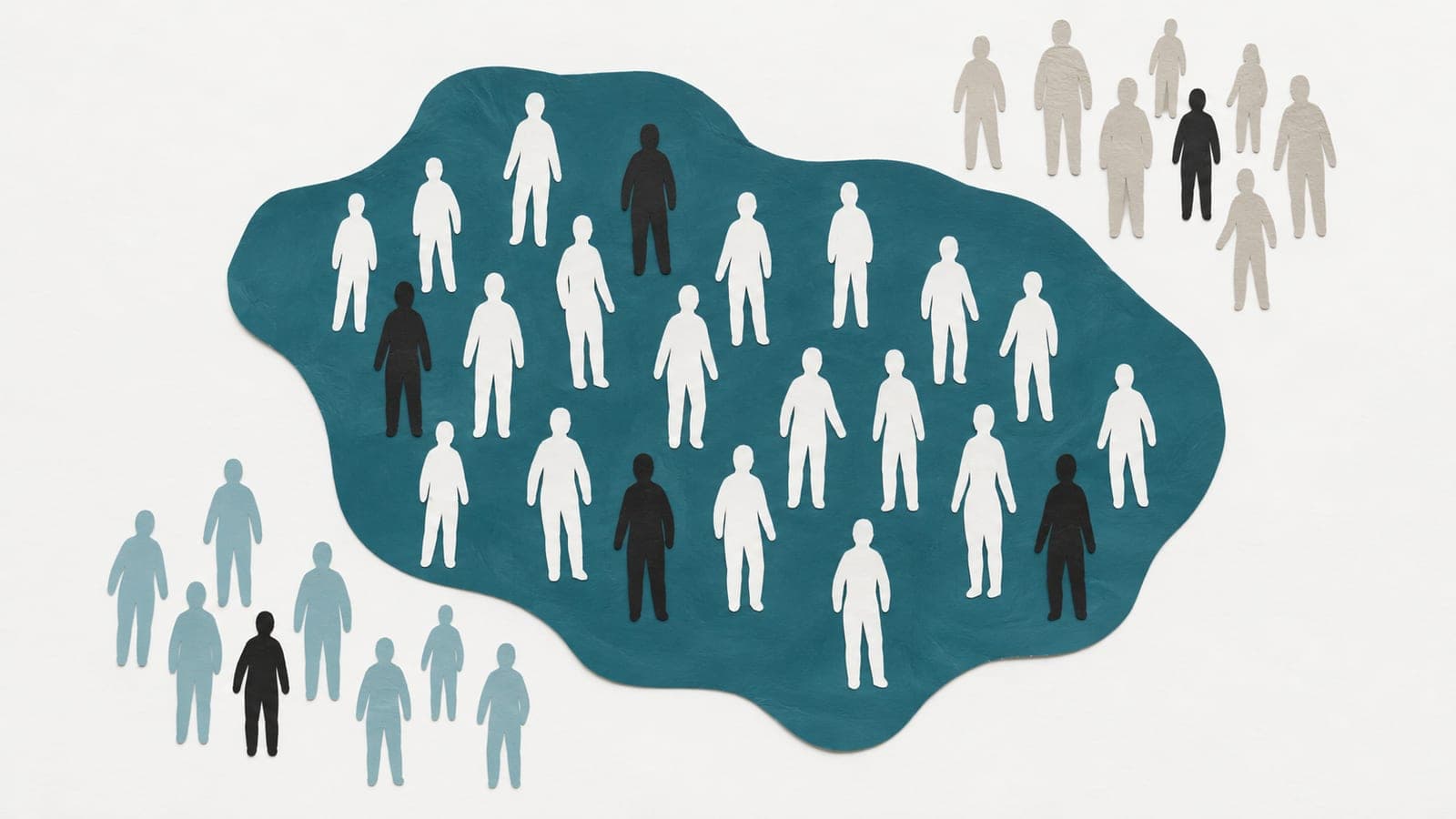
Tool predicted dependency less well in nursing home patients
For one model group, the average score for distinguishing dependency outcomes fell from 0.795 in the original models to 0.592 for 12-month predictions.

Independent replication
Limit: Coding and measurement differences between datasets could contribute to the apparent performance loss
Edited by Boris Djordjevic · AgingResearch.News
In a computational study, researchers analyzed 843,836 patients in a nursing home population outside the US Department of Veterans Affairs system, using more than 8 million assessments. They tested the Computational Barthel Index Tool, developed with Veterans Affairs data to predict dependency on help with everyday activities up to a year ahead.
The researchers first tested the existing models without changing them. The models distinguished dependency outcomes less well, especially for longer-term predictions. Their predicted probabilities also matched observed outcomes less closely. Adapting the models with data from the new population recovered much of the lost performance. Performance improved as researchers added more local training data. Using the adaptation training set, adapted models performed comparably to models rebuilt using the new population’s data.
Why it matters
Forecasting dependence in everyday activities matters for planning care as people age. The findings support testing prediction tools in a new population before adapting them.
Caveats
This computational study assessed prediction performance, not whether using the tool improved care or independence. The results do not establish performance in other care settings.
From the paper
- Participants
The final external nursing home SEER-Medicare validation cohort included 843,836 patients contributing 8,257,141 MDS evaluations.
- Limitation
First, the study focused on nursing home residents, which may limit generalizability to younger or community-dwelling populations.
Quoted word for word from the full text on journals.plos.org.
The paper
George Mason University
PLOS Digital Health, Oct 23, 2026