Blood thinners linked to lower stroke risk after brain bleeding
At one year, adjusted stroke risks were 0.7% with direct oral anticoagulants, 2.1% with warfarin and 4.1% without anticoagulants.
Edited by Boris Djordjevic · AgingResearch.News
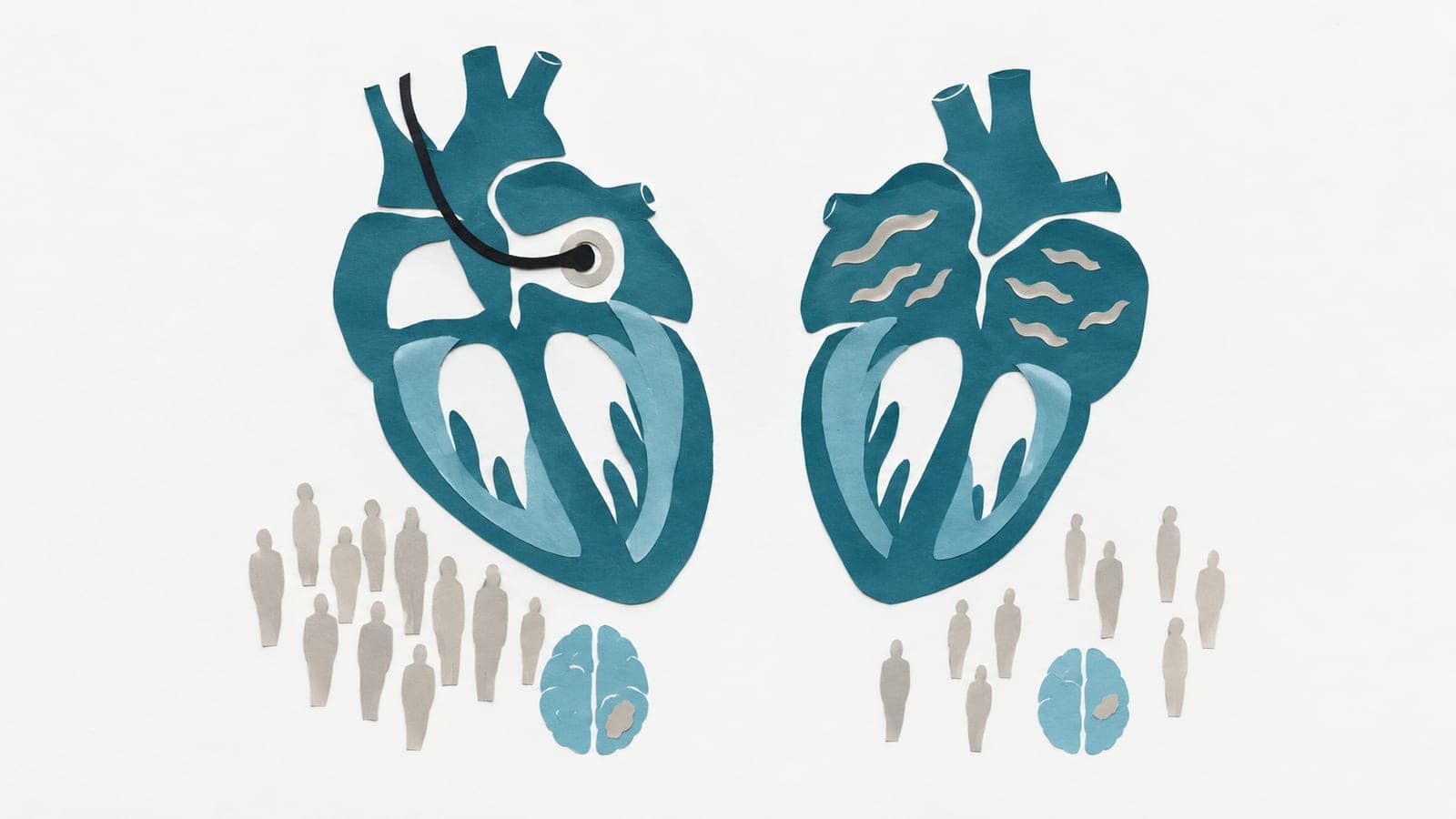
A Finnish observational cohort study included 1,502 people with newly diagnosed atrial fibrillation, an irregular heartbeat, and previous bleeding inside the skull. Their median age was 78; 44% were female. Researchers grouped participants by purchases of blood thinners: direct oral anticoagulants, warfarin or neither.
At one year, adjusted risks of ischemic stroke, caused by blocked blood flow to the brain, were 0.7%, 2.1% and 4.1%, respectively. Risks of bleeding inside the skull were 1.2%, 2.7% and 1.9%; risks of death from other causes were 4.7%, 8.6% and 14.7%. Both drugs were associated with lower risks of stroke and death from other causes than no anticoagulation. Direct oral anticoagulants were not associated with increased bleeding risk, but warfarin was. For direct oral anticoagulants, the range of likely effects on bleeding included no difference.
Why it matters
For older people with atrial fibrillation and prior brain bleeding, stroke prevention involves weighing competing risks. The findings support individualized decisions about blood thinners.
Caveats
This observational study could not rule out unmeasured differences between groups and had limited information about previous bleeding. The findings concern people with atrial fibrillation and prior bleeding inside the skull, not people without that history.