Probable dementia extends into middle age in rural India
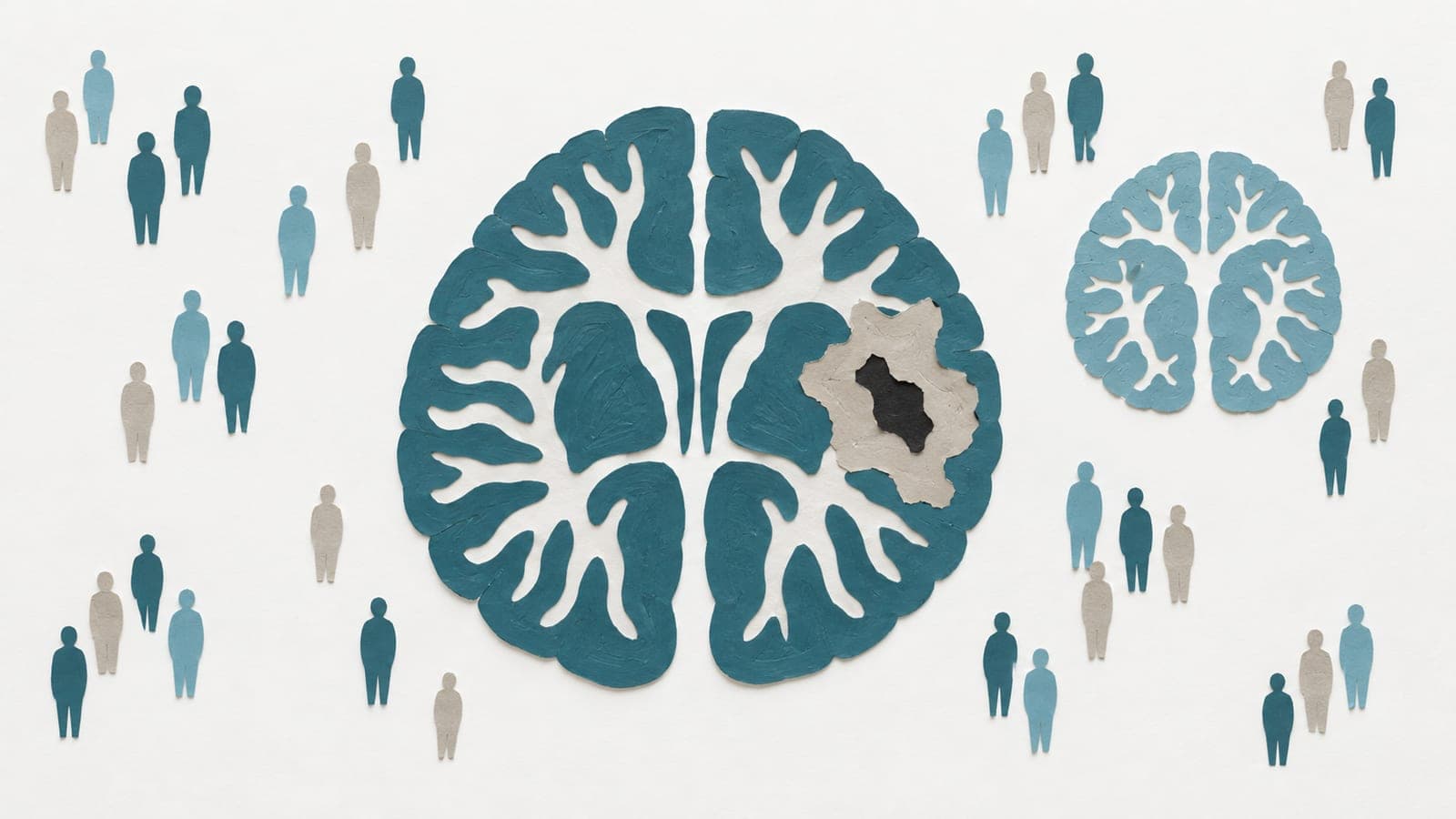
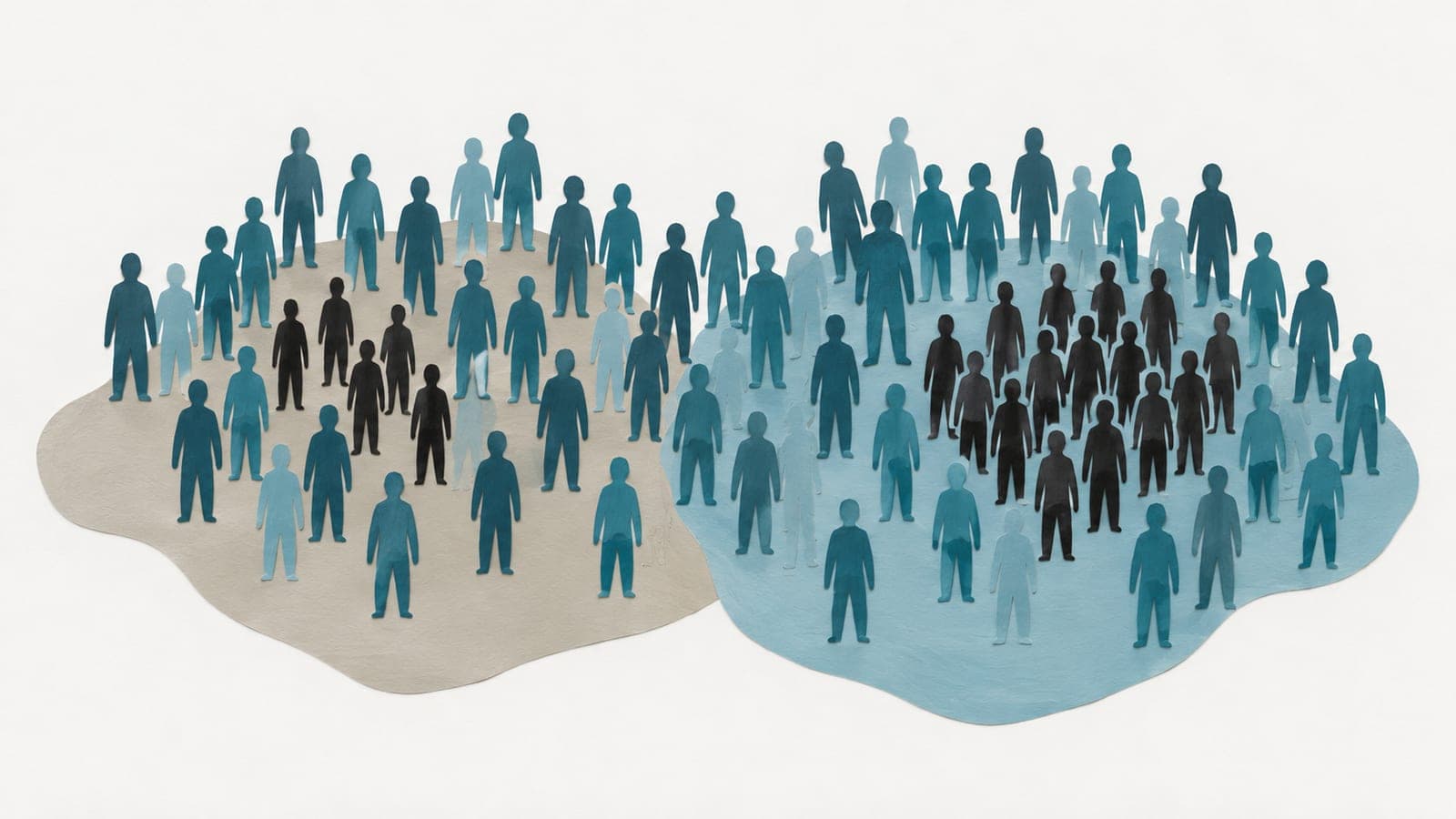
Screening suggested probable dementia in 3.4% of adults aged 45–59, compared with 7.4% of those aged 60 or older.

Limit: Positive dementia screens were counted as cases without diagnostic confirmation
Researchers screened 2,163 adults aged 45 or older from 29 villages near Hyderabad, South India, in a cross-sectional study. They used data collected in 2021–2023, including questionnaire interviews and assessments of diabetes, high blood pressure, heart disease and stroke. A positive dementia screen counted as probable dementia.
After accounting for other measured factors, unemployed or retired participants had 2.2 times the odds of probable dementia compared with people working in agriculture or raising animals. Participants with a history of stroke had 3.8 times the odds compared with those without one. Participants who could read and write had 0.5 times the odds compared with those who could not.
Why it matters
Dementia data in India have largely focused on adults over 60. The study raises questions about when assessments of thinking, memory and risks to blood vessels should begin in rural communities.
Caveats
The cross-sectional design could not establish cause and effect, and screening results were not confirmed diagnoses. The study covered adults aged 45 or older in 29 villages near Hyderabad; the authors called for follow-up studies with diagnostic confirmation before population-wide screening recommendations.
The paper
Chiang Mai University
Journal of Global Health, Oct 19, 2026