Acceptability and Feasibility of an Islamic Faith-Based Smoking Cessation Intervention Delivered via WhatsApp for Muslim Smokers in Saudi Arabia: Pilot Randomized Controlled Trial
21 days
Abstract
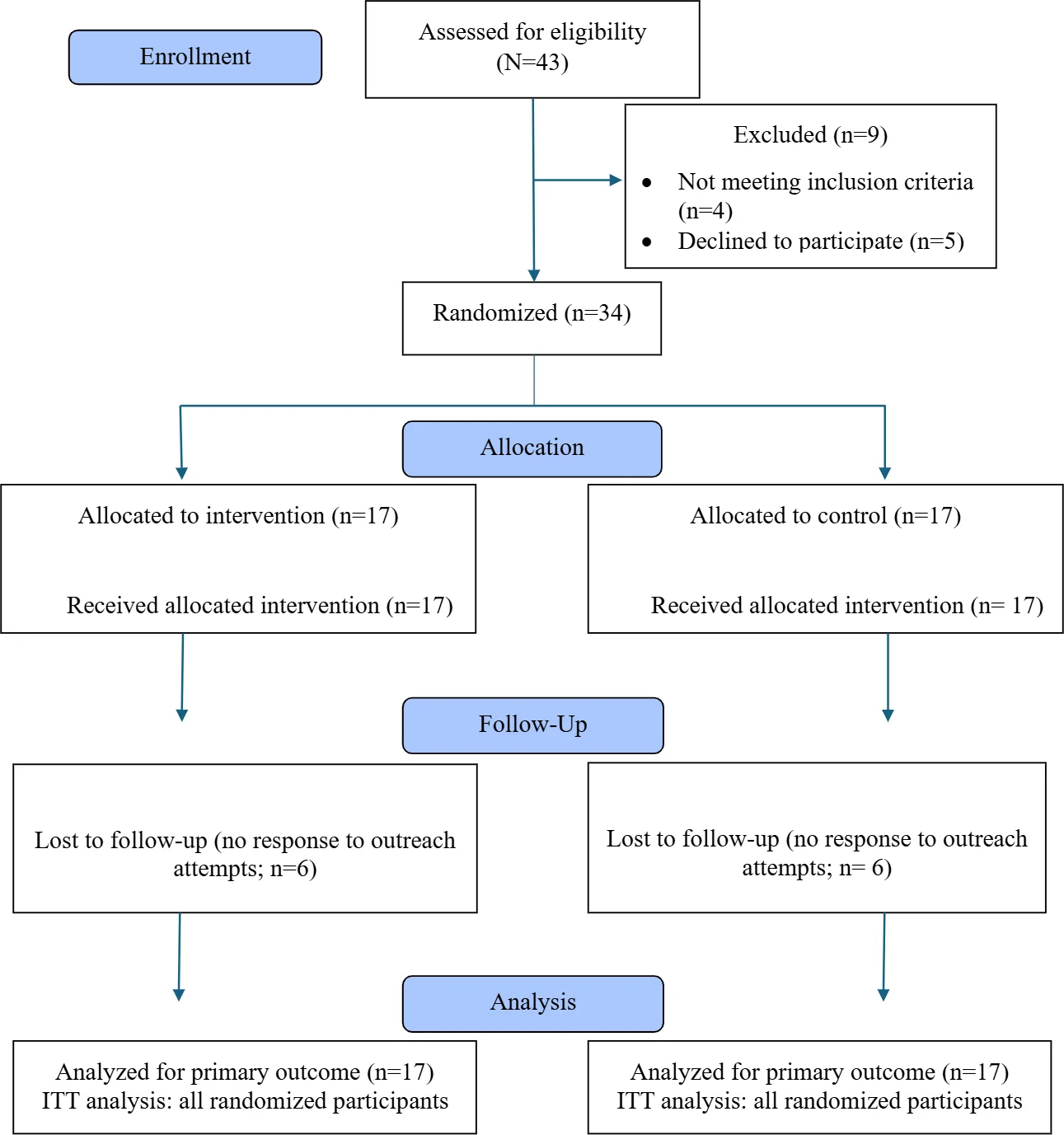
BACKGROUND: Smoking is common in Saudi Arabia, particularly among men. Religion plays a protective role against smoking and serves as a motivator for quitting. Faith-based interventions have shown positive effects in supporting smoking cessation among Muslims who smoke; however, few studies have tested their acceptability when delivered via mobile phone messaging. OBJECTIVE: The aim of this pilot randomized controlled trial was to evaluate the feasibility and acceptability, as well as the preliminary effectiveness of an Islamic-based smoking cessation intervention delivered via WhatsApp messaging in Saudi Arabia. METHODS: This study was a 2-arm randomized controlled trial involving adult Muslim smokers who used cigarettes, waterpipe, or both. Participants were recruited from the Kafa organization antismoking clinic in Saudi Arabia. Participants were randomized in a 1:1 ratio to either the intervention or control group. The intervention messages were codeveloped with religious leaders and informed by formative research with Muslim current and former smokers. The intervention group received both religious and smoking-related health messages, whereas the control group received smoking-related health messages only. The messages were manually delivered daily by trained research assistants. The intervention lasted for 21 days, during which participants received 2 messages per day, one in the morning and one in the evening. The primary outcomes were the feasibility and acceptability of the intervention. RESULTS: A total of 34 participants were recruited, resulting in a recruitment rate of 68% (34/50). The overall retention rate was 64.7% (22/34). Both groups received 44 WhatsApp messages over 21 days. Message engagement was high, with 88.2% (15/17) of participants in the intervention group and 82.4% (14/17) in the control group, reporting that they read the daily messages. The intervention was acceptable and was perceived as helpful in supporting smoking cessation. Complete abstinence from both cigarettes and waterpipe was slightly higher in the intervention group (4/17, 23.5%) than in the control group (3/17, 17.6%). Cigarette abstinence was also modestly higher in the intervention group than in the control group (5/16, 31.3% vs 3/16, 18.8%). Among 8 waterpipe users at baseline, 2 reported waterpipe abstinence at follow-up, both in the intervention group. No statistical comparisons of smoking cessation outcomes between the groups were conducted because the study focused on feasibility and included a small sample size. These findings were descriptive and should be considered exploratory rather than evidence of intervention effectiveness. CONCLUSIONS: This Islamic faith-based intervention, delivered via WhatsApp messaging, was acceptable and may be feasible for a full-scale trial, provided that recruitment, participant retention, and follow-up data collection are improved. The pilot study provides important lessons for intervention design and implementation of a future adequately powered trial.
The paper
JMIR Formative Research, 15 Oct 2026, Open access