Ischemic myocardium-targeted NAD⁺ nanotherapy mitigates myocardial ischemia/reperfusion injury
Abstract
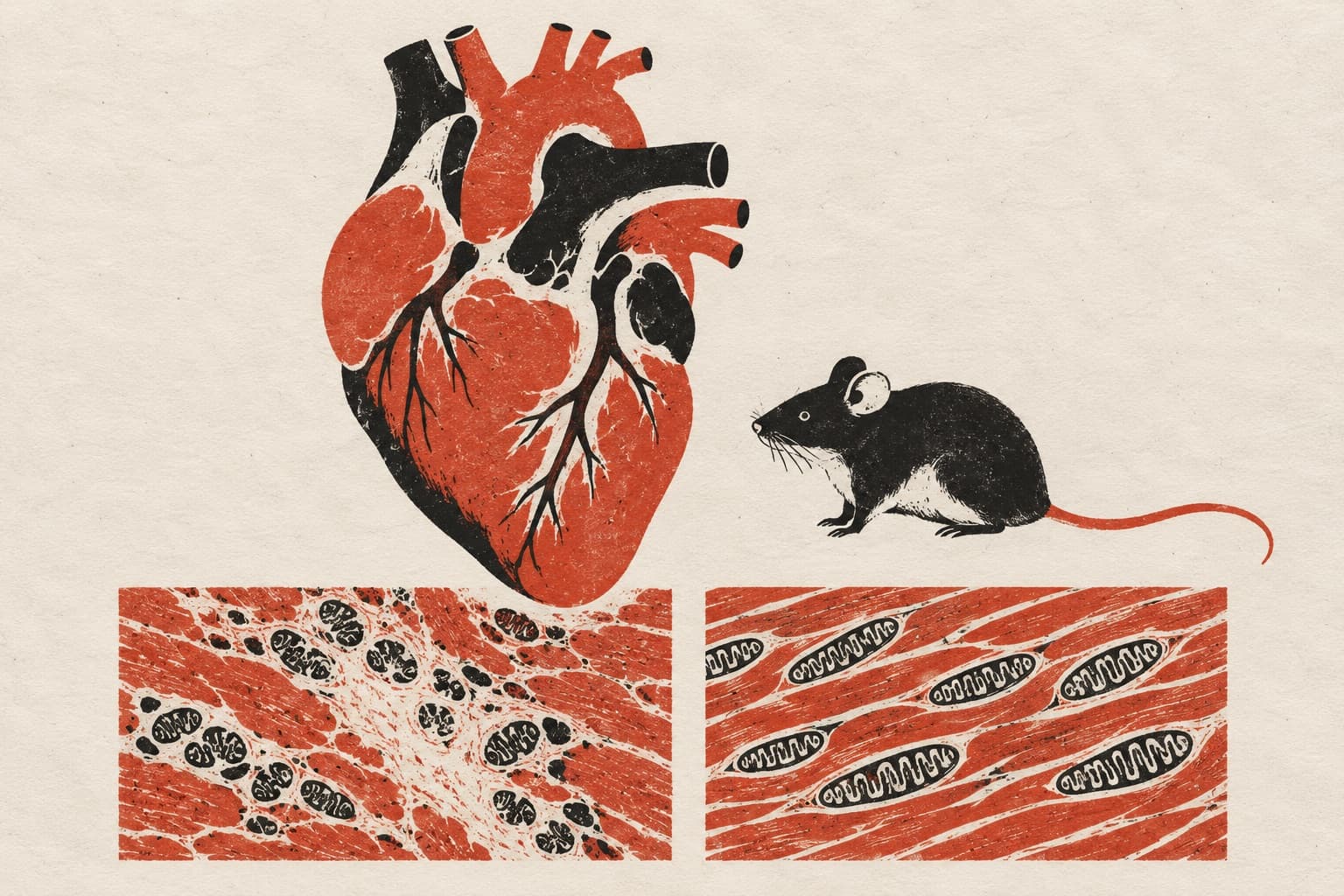
Myocardial ischemia-reperfusion injury remains a major cause of cardiomyocyte loss and adverse remodeling following acute myocardial infarction, yet effective therapeutic options remain limited. Although nicotinamide adenine dinucleotide (NAD⁺) plays a central role in mitochondrial function and redox homeostasis, its therapeutic application is limited by poor membrane permeability and inefficient restoration of intracellular NAD⁺ pools. Here, we developed a cardiac-targeted lipid-polymer hybrid nanoparticle (LN-DPC) that enables efficient intracellular delivery of NAD⁺ to ischemic myocardium. The nanoparticale integrates boronate-guanidine-mediated NAD⁺ encapsulation with an ischemic myocardium-homing peptide (CSTSMLKAC), achieving stable loading, controlled release, and preferential accumulation in injured cardiac tissue. In vitro, LN-DPC enhanced cellular uptake and restored intracellular NAD⁺ levels, leading to improved mitochondrial function, reduced reactive oxygen species generation, and alleviation of calcium overload under OGD/R conditions. In vivo, the nanoparticles preferentially accumulated in the injured myocardium, attenuated early inflammation, significantly reduced infarct size, improved cardiac function, and markedly limited chronic fibrosis. Mechanistically, NAD⁺ delivery restored SIRT3 expression, improved mitochondrial homeostasis, and suppressed HMGB1-RAGE signaling to mitigate secondary myocardial injury; pharmacological SIRT3 inhibition attenuated the protective effects of LN-DPC both in vitro and in vivo, supporting a functional contribution of SIRT3 to LN-DPC-mediated cardioprotection. Collectively, this work establishes targeted NAD⁺ delivery as an effective strategy to restore metabolic homeostasis and protect against ischemia-reperfusion injury, and provides a nanomedicine platform for metabolic intervention in cardiovascular diseases.
The paper
Suzhou Institute of Nano-Tech and Nano-Bionics; University of Science and Technology of China
Journal of Controlled Release, 12 Oct 2026