Combined empagliflozin and liraglutide therapy protects against tacrolimus-induced pancreatic and renal injury associated with oxidative stress reduction
Abstract
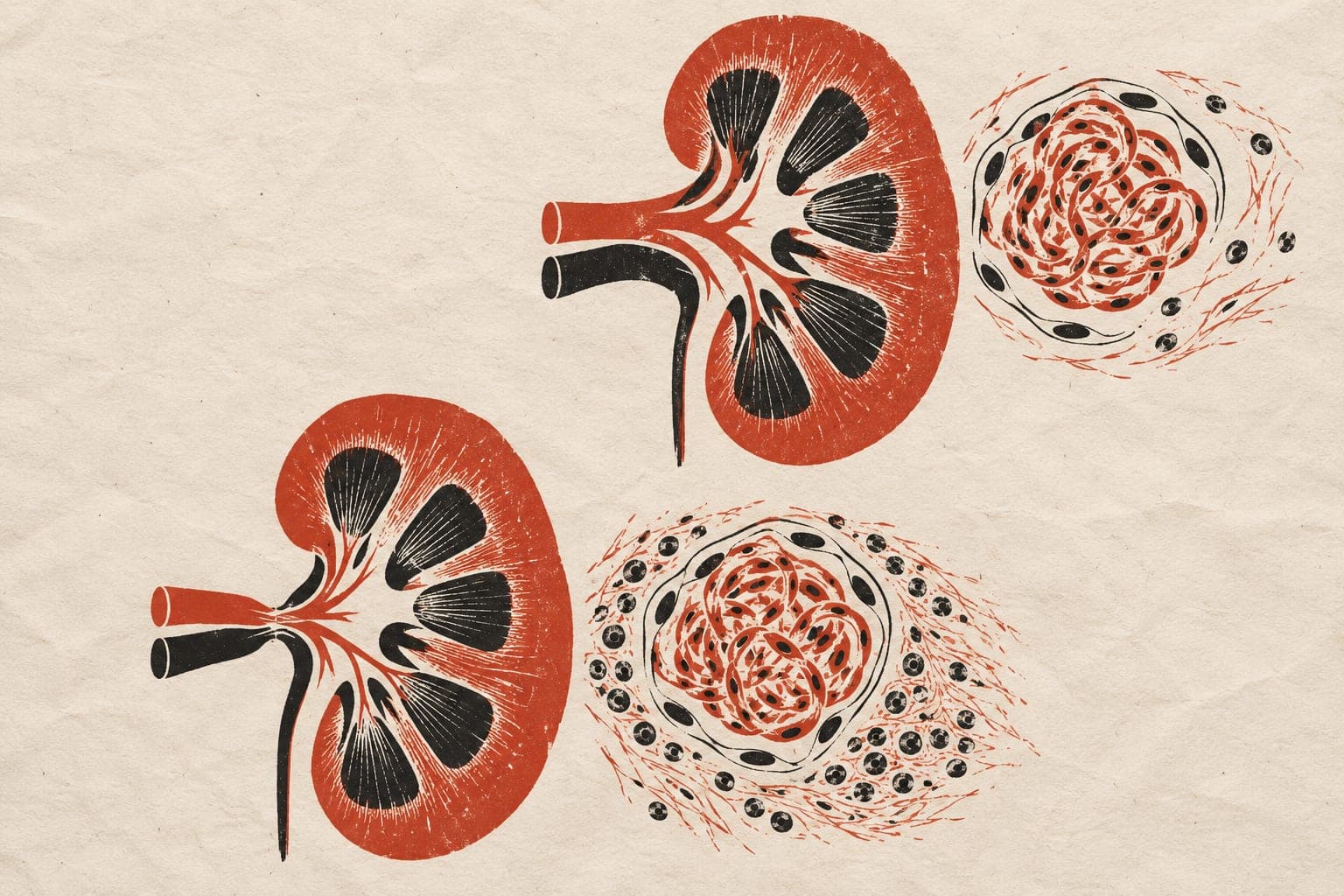
BACKGROUND: Sodium-glucose cotransporter-2 inhibitors (SGLT2is) and glucagon-like peptide-1 receptor agonists (GLP-1RAs) are widely used in type 2 diabetes mellitus for glycemic control and organ protection. This study investigated whether the combined use of empagliflozin (EMPA) and liraglutide (LIRA) could protect against pancreatic and renal damage caused by tacrolimus (TAC). METHODS: Male Sprague-Dawley rats received TAC for 4 weeks, either alone, or in combination with EMPA, LIRA, or both. Metabolic, histologic, and molecular parameters were assessed in vivo and in vitro. TAC caused hyperglycemia, reduced creatinine clearance, pancreatic β-cell loss, renal tubulointerstitial fibrosis, and increased oxidative stress and apoptosis. RESULTS: Either EMPA or LIRA alone partially attenuated these changes, whereas their combination provided enhanced protection- improving kidney function, preserving islet integrity, and reducing fibrosis and cell death. In the kidney and pancreas, dual therapy restored antiapoptotic and antioxidant signaling while suppressing profibrotic pathways, thereby mitigating oxidative stress and injury. Cell-based experiments further confirmed that EMPA plus LIRA enhanced cell viability and reduced reactive oxygen species generation in TAC-injured HK-2 and INS-1 cells. CONCLUSION: These findings indicate that combined SGLT2i and GLP-1RA therapy confers additive metabolic protection associated with attenuation of oxidative stress in tacrolimus-induced pancreatic and renal damage in this preclinical model, warranting further investigation of its potential as an adjunct strategy for posttransplant diabetes mellitus and nephrotoxicity.
The paper
The Catholic University of Korea Incheon St. Mary's Hospital; The Catholic University of Korea Seoul St. Mary's Hospital
Kidney Research and Clinical Practice, 8 Oct 2026