Nuclear magnetic resonance-derived lipoprotein profile and risk of atrial tachyarrhythmia recurrence after catheter ablation: a case-cohort design within the PREDIMAR trial
Abstract
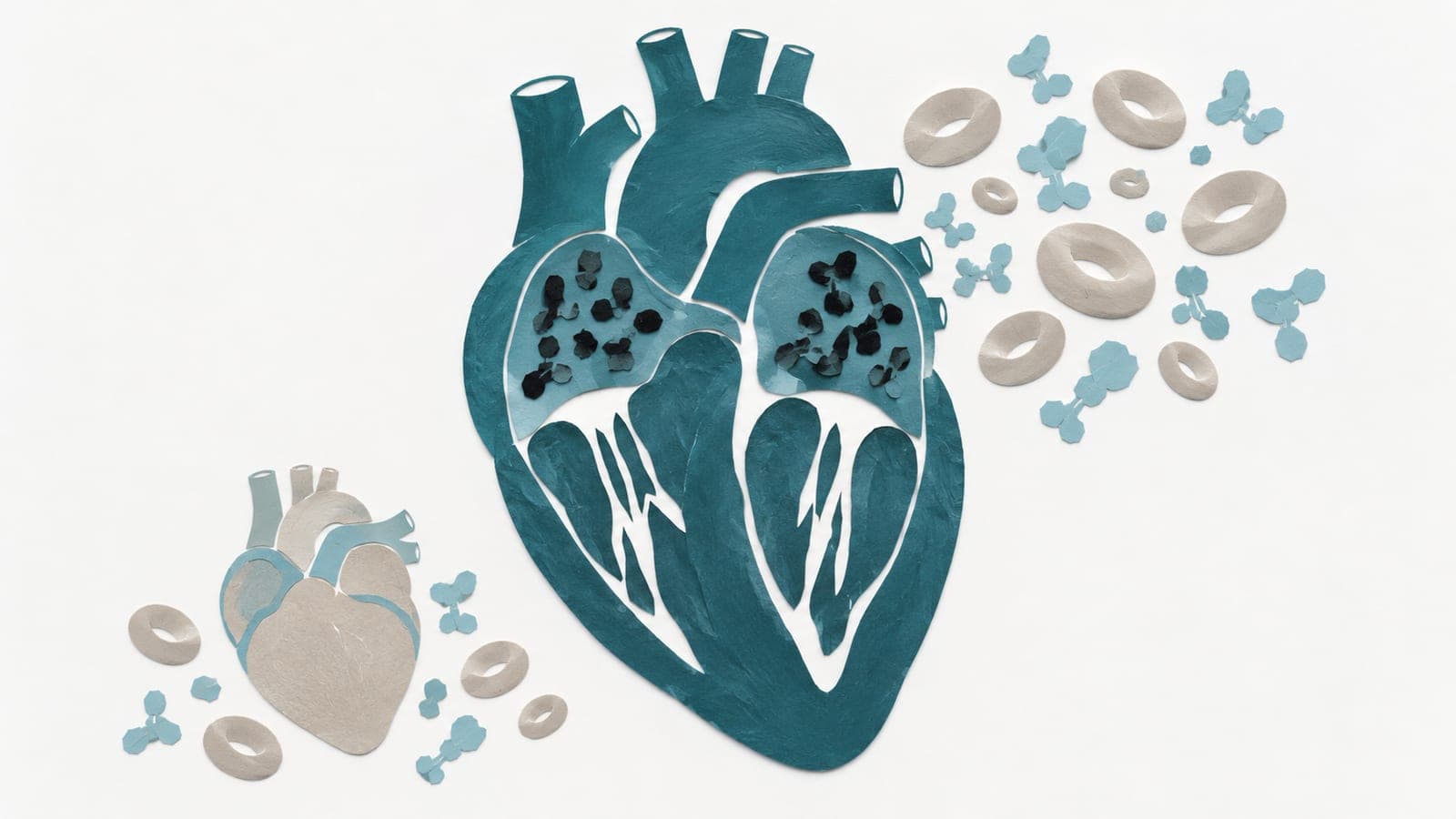
BACKGROUND: Lipoproteins could be potential biomarkers of atrial tachyarrhythmia recurrence (TAR) after catheter ablation; however, their association remains inconclusive and based exclusively on routine lipid measurements. Nuclear magnetic resonance (NMR) enables detailed lipoprotein characterization beyond conventional assays. OBJECTIVE: To identify a baseline NMR-derived lipoprotein profile associated with the risk of TAR after catheter ablation. METHODS: We conducted a case-cohort study (212 cases and 238 participants in a random sub-cohort, with 93 overlapping cases) nested in the PREDIMAR (PRevención con DIeta Mediterránea de Arritmias Recurrentes) trial. Conventional lipoprotein profiles were measured using the Pentra C-200 and advanced lipoprotein profiles were assessed by NMR. Lipoprotein values were normalized and scaled to one standard deviation using Blom's inverse normal transformation. Cox models were used to assess the associations between baseline lipoproteins and TAR. Additionally, a cholesteryl ester transfer (CETP)-mediated lipoprotein exchange score was constructed and evaluated. RESULTS: After 18-month follow-up, higher baseline remnant cholesterol (hazard ratio = 1.26, 95% confidence interval= 1.06-1.51, per SD), higher cholesterol and triglyceride content in very-low-density lipoproteins (VLDL) (hazard ratioperSD = 1.22, 95% confidence interval= 1.03-1.46) or in intermediate-density lipoproteins (IDL) (hazard ratioperSD = 1.29, 95% confidence interval= 1.09-1.52), showed increased risks of TAR. Higher triglyceride-to-HDL cholesterol ratio was directly associated, and higher triglyceride-to-VLDL cholesterol and triglyceride-to-IDL cholesterol ratios were inversely associated with recurrence. A CETP-mediated lipoprotein exchange score was directly associated with recurrence. CONCLUSION: An atherogenic lipoprotein profile characterized by elevated remnant cholesterol is associated with a higher risk of TAR after catheter ablation.
The paper
Instituto de Salud Pública de Navarra; Instituto de Salud Carlos III
Heart Rhythm, 9 Oct 2026