Mediterranean lifestyle linked to lower risk of death
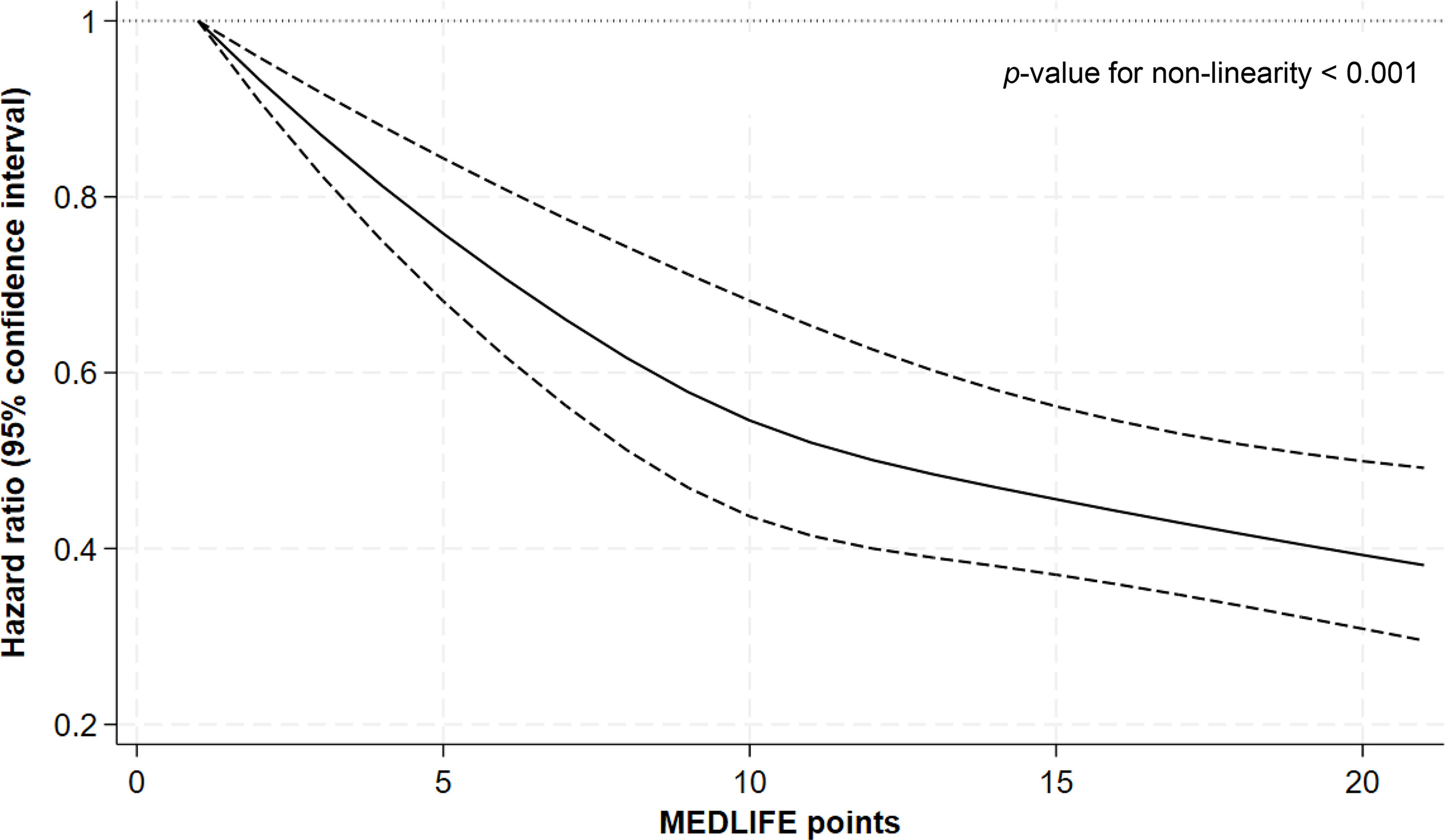
The highest-scoring quarter had a hazard ratio of 0.70—a measure comparing death rates over time—versus the lowest-scoring quarter.
Dose-response
Researchers analysed data from 105,812 adults in the Lifelines observational cohort study, with a median follow-up of 13.25 years. They scored 23 lifestyle features covering food consumption, eating habits, physical activity, rest and social habits at the start. Participants reported their income and education. Researchers tracked deaths through death records.
During follow-up, 3,976 participants died. After accounting for general, lifestyle and clinical risk factors, higher Mediterranean lifestyle scores were associated with lower risk of death from any cause. The association held across all income and education levels, including the most disadvantaged groups. Income modified the association more strongly than education did.
Why it matters
The study addressed whether links between lifestyle and survival differed across socioeconomic circumstances. The authors suggested that healthy lifestyles could help narrow socioeconomic gaps in mortality.
Caveats
This observational study cannot show that a Mediterranean lifestyle caused lower mortality. Lifestyle scores, self-reported income and education described participants at the start of follow-up.
The paper
School of Medicine; University of Groningen
The American Journal of Clinical Nutrition, 9 Oct 2026