Cardiorespiratory fitness is linked to survival after cancer
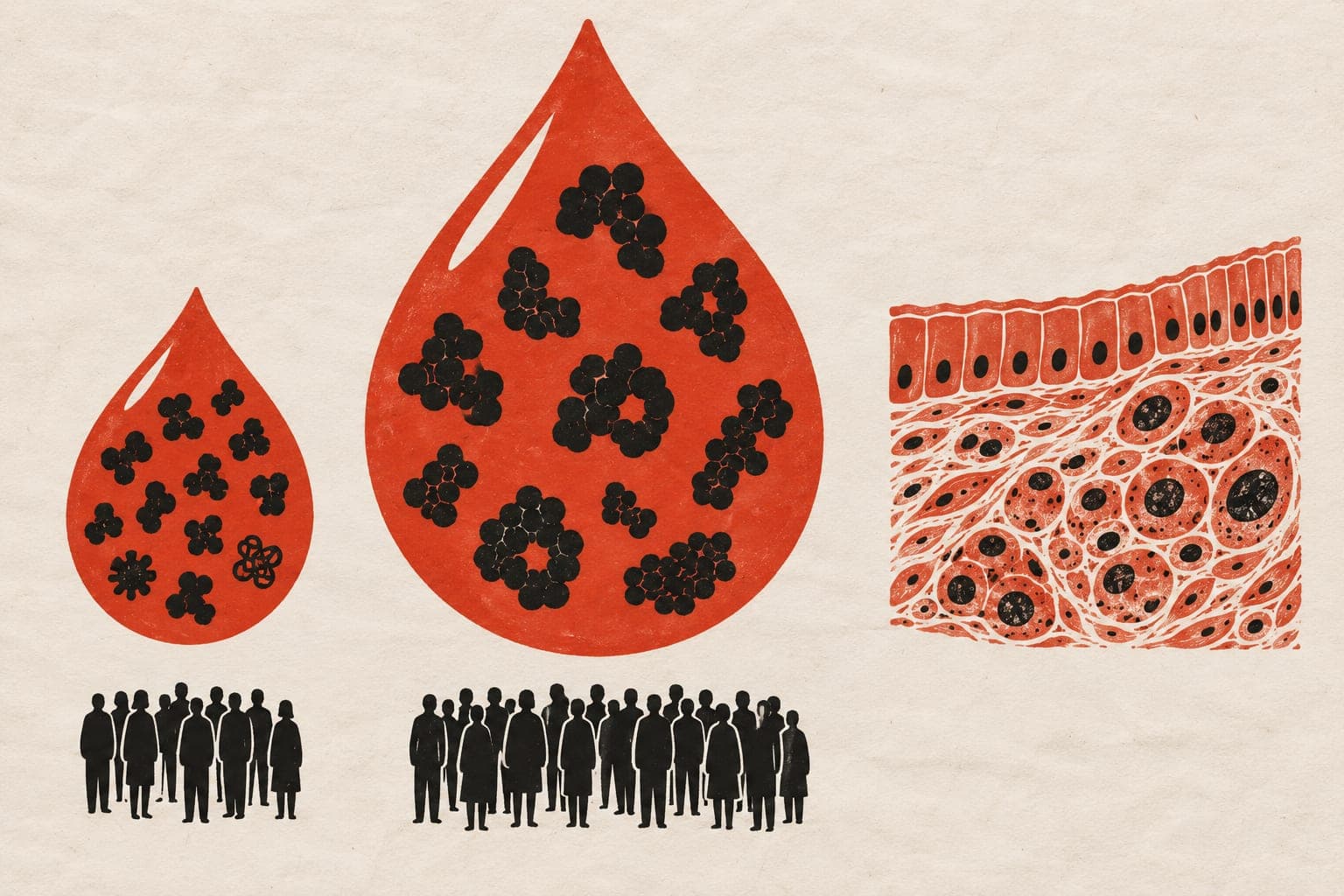
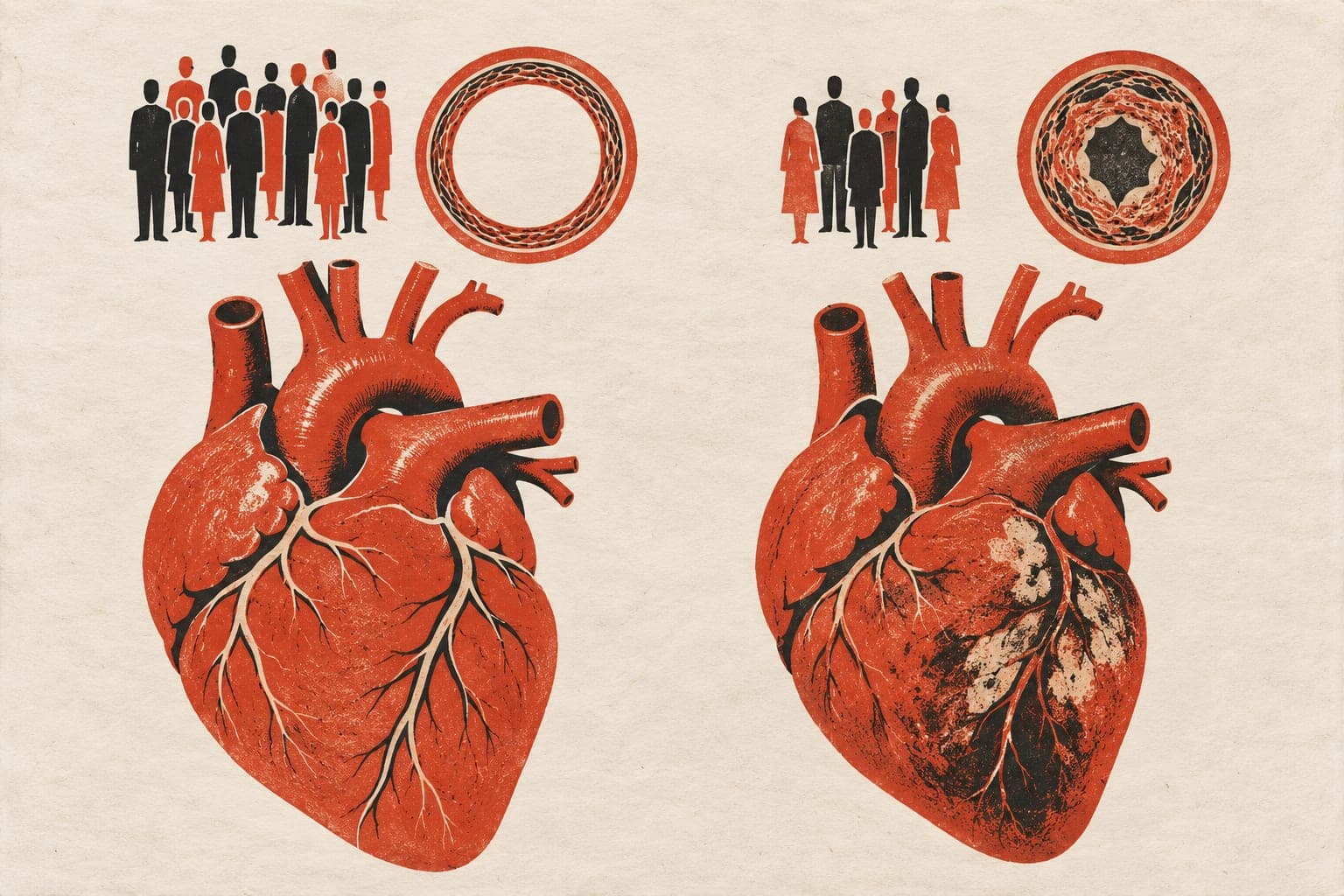
In adults later diagnosed with cancer, estimated 15-year survival probabilities rose from 39.3% to 77.4% across the estimated cardiorespiratory fitness range.
Mayo Clinic Proceedings
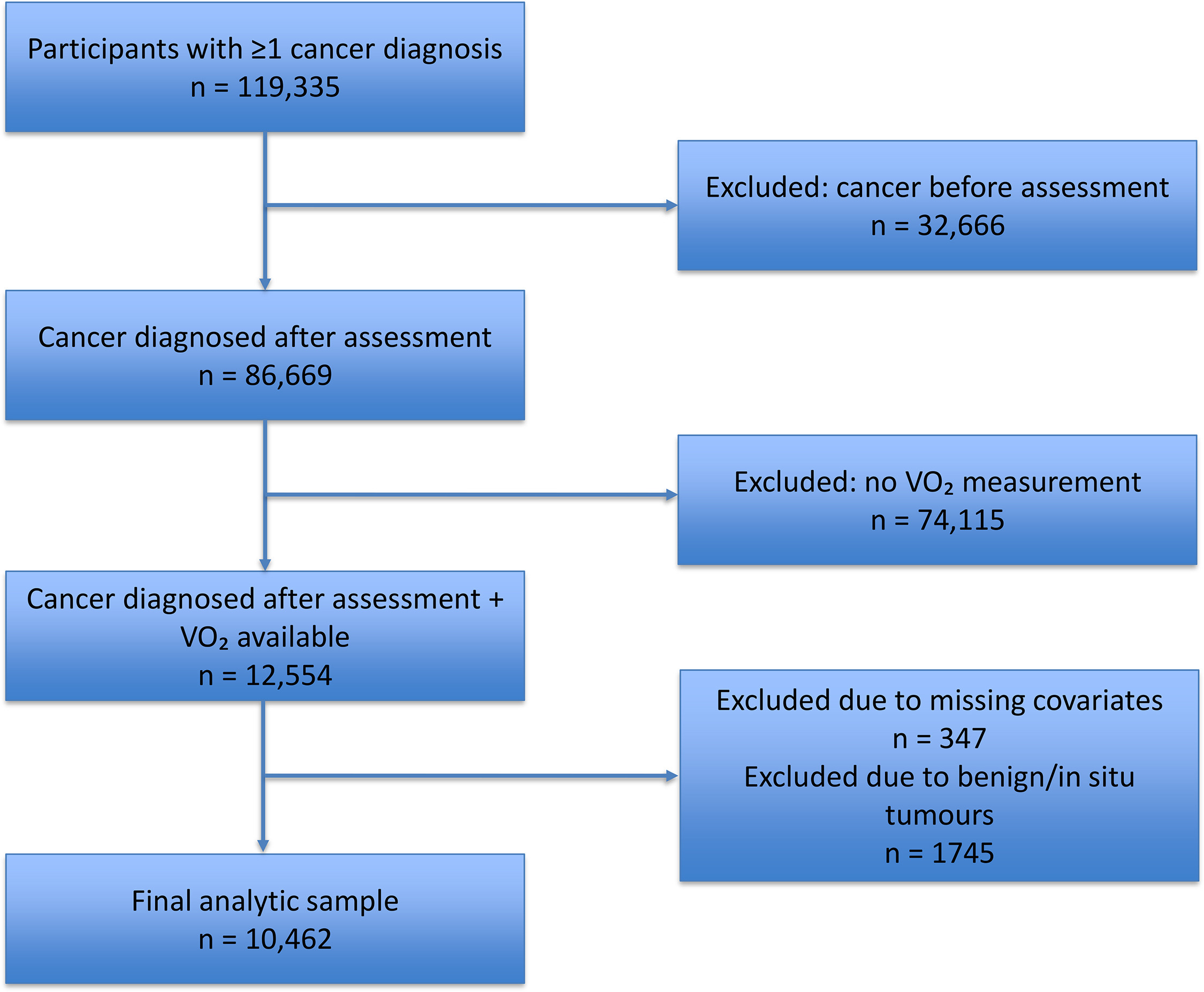
Researchers tracked 10,462 adults in the UK Biobank with an average age of 60.0 years who were free of cancer when their fitness was tested and later developed the disease. The prospective cohort study estimated cardiorespiratory fitness from cycle tests and measured handgrip strength, following participants for a median of 12.5 years.
During follow-up, 2,101 participants died. Relative to the median level, lower estimated cardiorespiratory fitness was associated with 59% higher all-cause mortality, with risk declining continuously at higher fitness levels. Handgrip strength showed a weaker link that levelled off at the median: the lowest grip strength was associated with 37% higher mortality, but strength above the median showed no further reduction. Estimated cardiorespiratory fitness showed a stronger link to mortality than grip strength.
Why it matters
Cancer incidence rises markedly with advancing age. The findings highlight how pre-diagnostic fitness levels may bear on long-term survival after cancer, suggesting a potential role for lifestyle interventions before diagnosis occurs.
Caveats
Because this was an observational study, the results show associations rather than cause and effect, and unmeasured lifestyle factors could influence survival. Furthermore, cardiorespiratory fitness was estimated from submaximal cycle exercise rather than measured directly at peak effort.
The paper
Show 3 more authors
Lars L Andersen, Luis Suso-Martí, Lin Yang,University of Valencia · Public University of Navarra
Mayo Clinic Proceedings · 8 Oct 2026