Xeroderma Pigmentosum Monozygotic Twins: Same Mutation Divergent Clinical Outcomes
Abstract
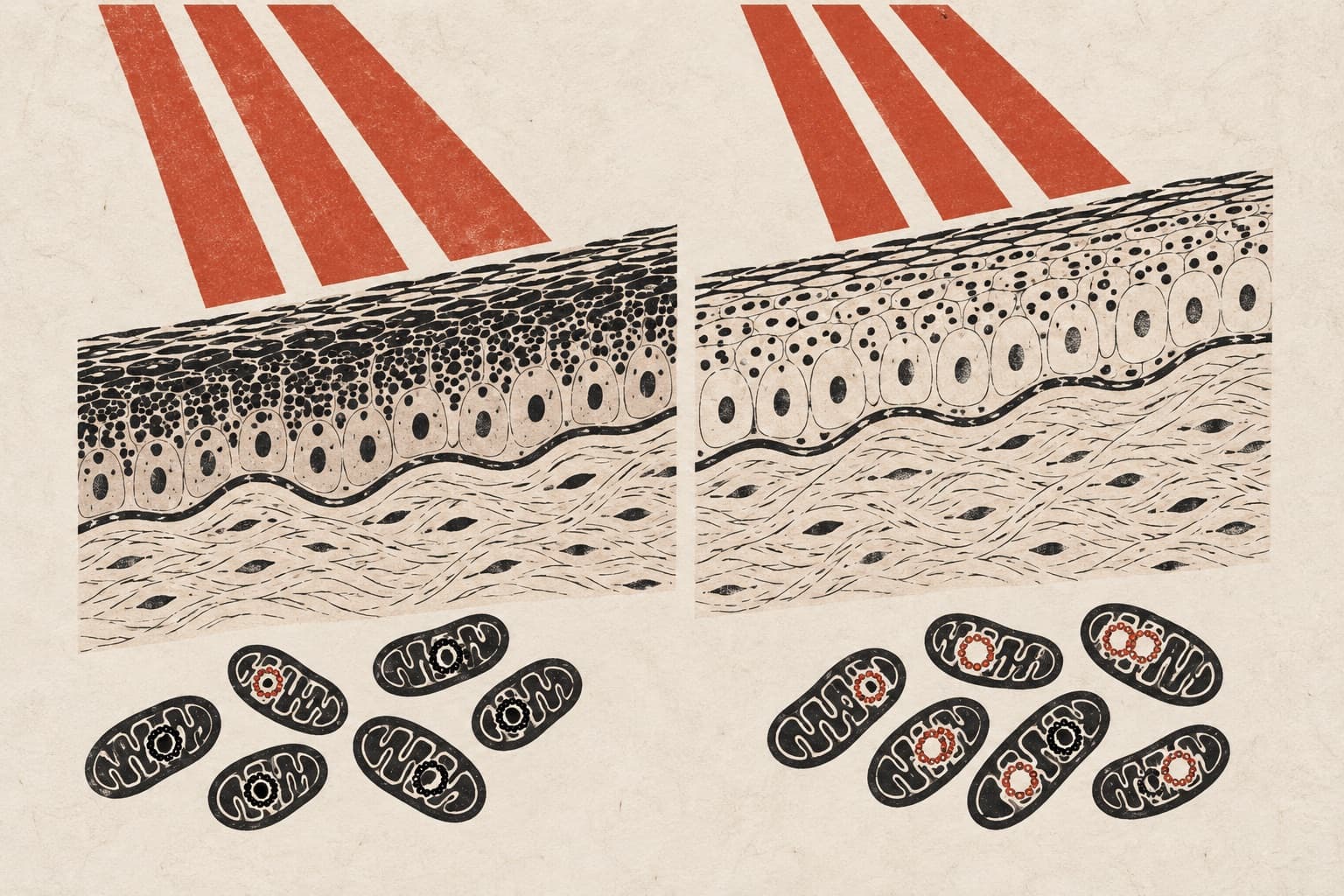
Xeroderma pigmentosum (XP) is a rare monogenic disorder characterized by UV sensitivity and skin cancer predisposition, caused by mutations in the NER pathway or the gene encoding DNA polymerase eta (Pol η), which acts in translesion synthesis (TLS). Although XP is a monogenic disorder, differences in clinical severity may occur even between monozygotic twins. Here, we present monozygotic twins (M3 and M6) with the XP variant (XP-V) displaying differences in clinical severity despite sharing similar environments and habits. Using whole genome sequencing (WGS), we evaluated their mutational burden and the impact of therapeutic strategies. Our results confirmed their kinship and the expected presence of the same POLH mutation in both patients. The somatic mutation profiles showed that Patient M3 harbored a significantly higher number of somatic mutations (p ≤ 0.0001), including the exclusive detection of the ID8 signature. Despite these differences, the mutational spectrum remained remarkably consistent between twins (cosine similarity > 0.98). In addition, as one of the patients was submitted to cisplatin (CDDP) therapy, we confirmed in vitro the impact of CDDP on the cell cycle of TLS-deficient cells. Therefore, the analyses of the genome sequences of these twin XP-V patients revealed that during their lifetime endogenous DNA damage and therapeutic treatments may lead to high levels of mutations and phenotype divergency in their genome.
The paper
Universidade Federal de Pernambuco
Human Mutation, 7 Oct 2026