Rare gene variant linked to less decline in brain glucose use
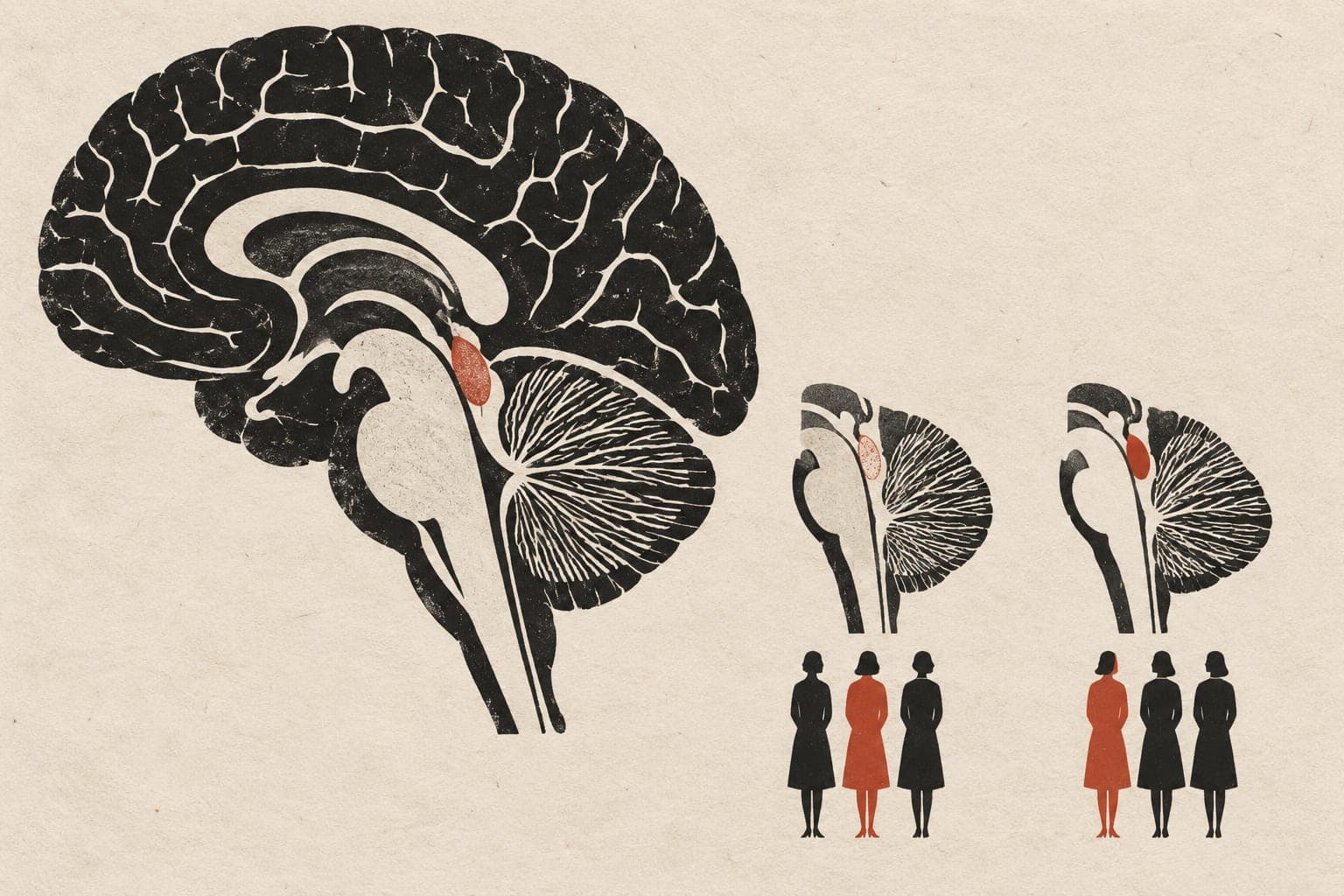
Rare-variant carriers had a 58% smaller age-related reduction in one brain region's glucose use than typical carriers of an inherited Alzheimer's variant.
Research Square
An observational study compared seven people carrying both the rare APOE3 Christchurch genetic variant and a variant causing inherited Alzheimer's disease with 48 typical carriers of the disease-causing variant. Researchers used scans to measure brain glucose metabolism—how the brain uses sugar for energy—and assessed thinking and memory.
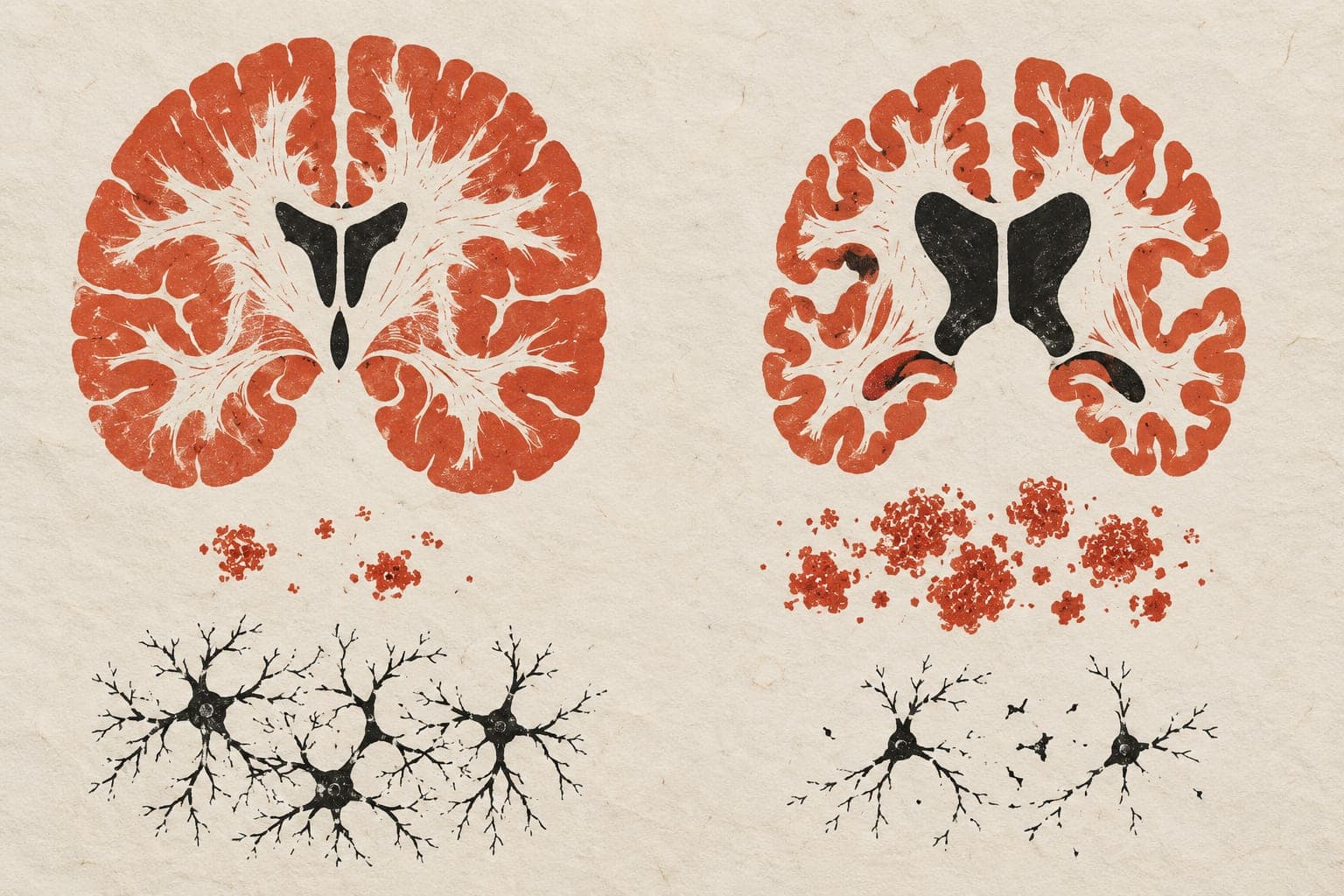
Christchurch carriers had a 58% smaller age-related reduction in glucose metabolism in the precuneus, a brain region. They also had a 50% smaller age-related reduction in memory for personal experiences. Separately, researchers compared 29 Christchurch carriers without cognitive impairment with 43 non-carriers across adulthood. Carriers had more preserved glucose metabolism with age in the anterior cingulate cortex, another brain region. Among these carriers, higher metabolism there correlated with better overall thinking and memory, fewer reported memory problems and fewer depressive symptoms.
Why it matters
Studying the biology of this rare variant could inform efforts to support healthy brain aging and resilience against Alzheimer's disease.
Caveats
The observational design cannot establish whether the variant caused these differences. The preprint has not been peer-reviewed, and the inherited-Alzheimer's comparison included only seven Christchurch carriers.
The paper
Show 13 more authors
Yesica Zuluaga, Claudia Muñoz, George Silva, Bing He, Diana Alzate, Yamile Bocanegra, Alejandro Guerrero, Laura Serna, Carolina Ospina, Monica Vidal, Sergio Alvarez, Rafael Posada-Duque, Joseph Arboleda-Velasquez,Research Square · 14 Aug 2026 · Preprint, not peer-reviewed