Combining DNA and protein scores improves prediction in people
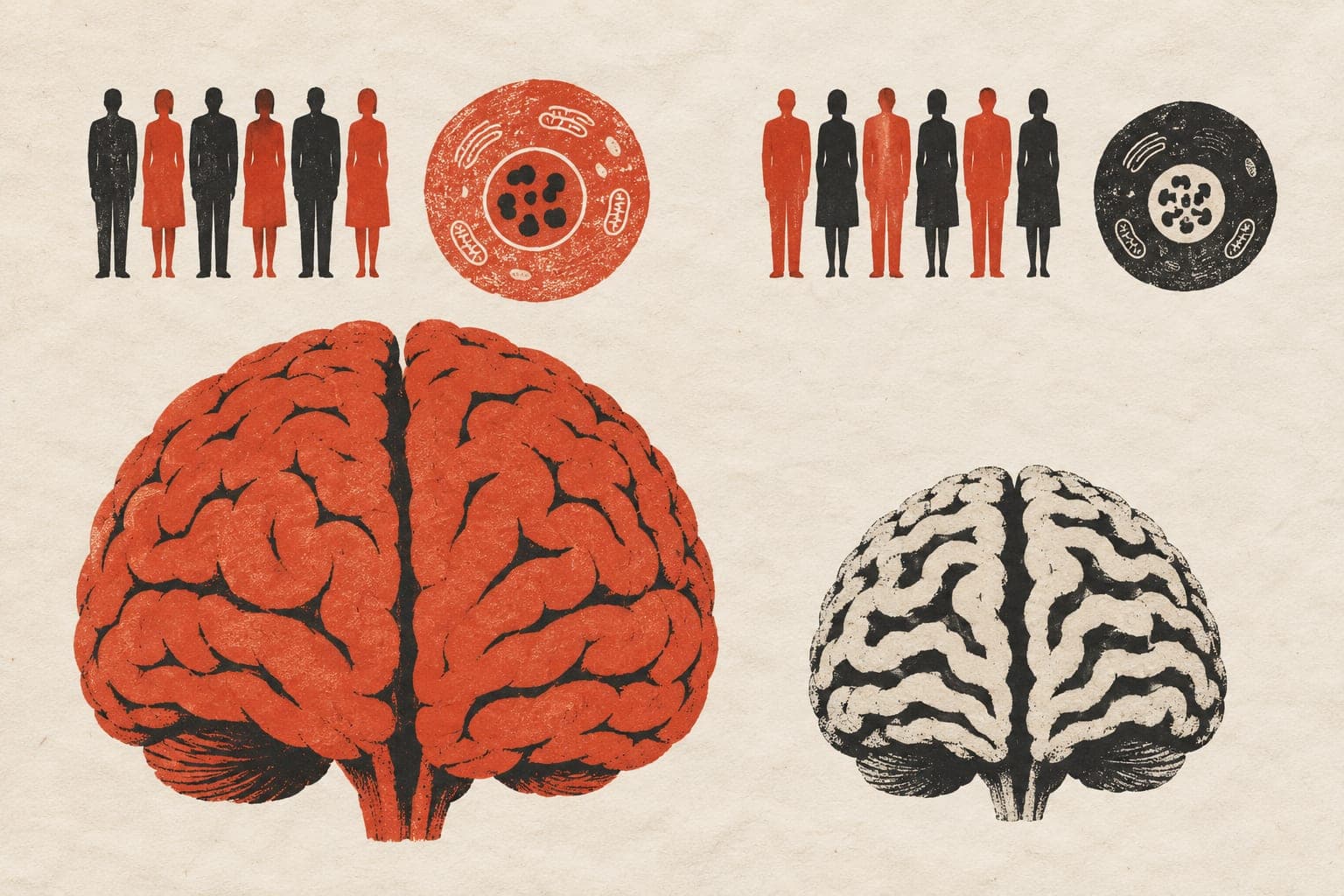
For numerical traits, combined models increased the measure of variation explained by 0.09–0.66 over DNA scores alone in European-ancestry validation.
medRxiv
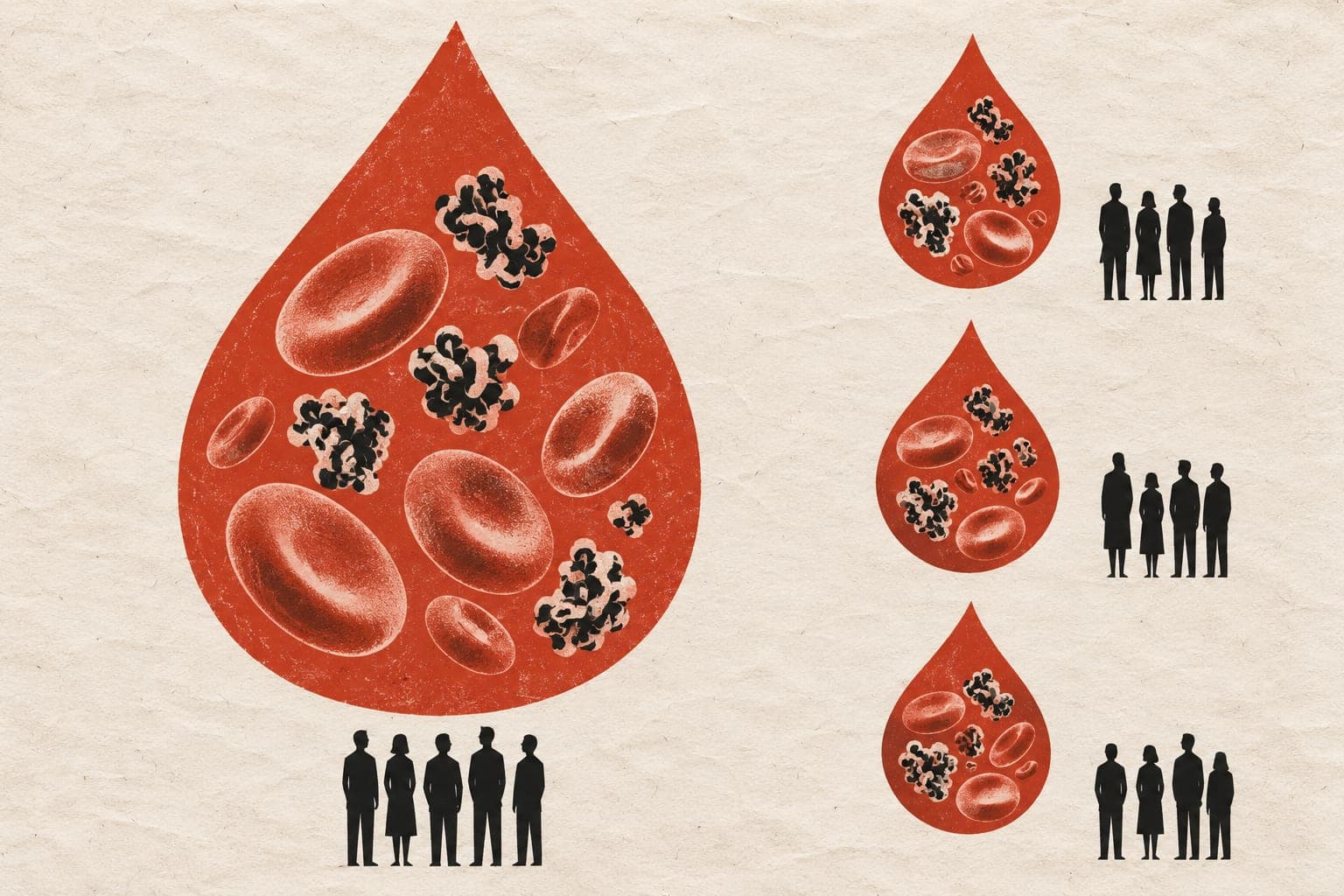
In an observational modelling study, researchers analysed genetic and blood protein data from 36,903 UK Biobank participants across 11 traits, including numerical measures and diseases. The preprint combined genetic risk scores, which summarise inherited susceptibility, with risk scores based on proteins circulating in blood. Researchers also compared five methods for filling gaps in protein data.
In European-ancestry validation, combined models predicted numerical traits and diseases better than either score alone. For numerical traits, the measure of variation explained increased by 0.09–0.66 over genetic scores and 0.002–0.26 over protein scores. This measure describes how much of the differences between participants a model accounts for. Researchers reported similar prediction gains in non-European populations. Protein scores depended more on the timing of blood measurements than genetic scores did.
Why it matters
Disease-risk prediction is relevant to studying health as people age. The framework addresses how inherited susceptibility and blood measurements can be used together to assess risk.
Caveats
This observational prediction study did not test whether changing protein levels changes disease risk. The findings came from UK Biobank, and the preprint has not been peer-reviewed.
The paper
Integrating Genomic and Proteomic Data Improves Complex Trait Prediction in Diverse Populations
medRxiv · 12 Aug 2026 · Preprint, not peer-reviewed