Blood enzyme and frailty score help predict vascular surgery risks
An observational study of 657 patients found that combining the two measures improved risk prediction beyond standard clinical factors.
medRxiv
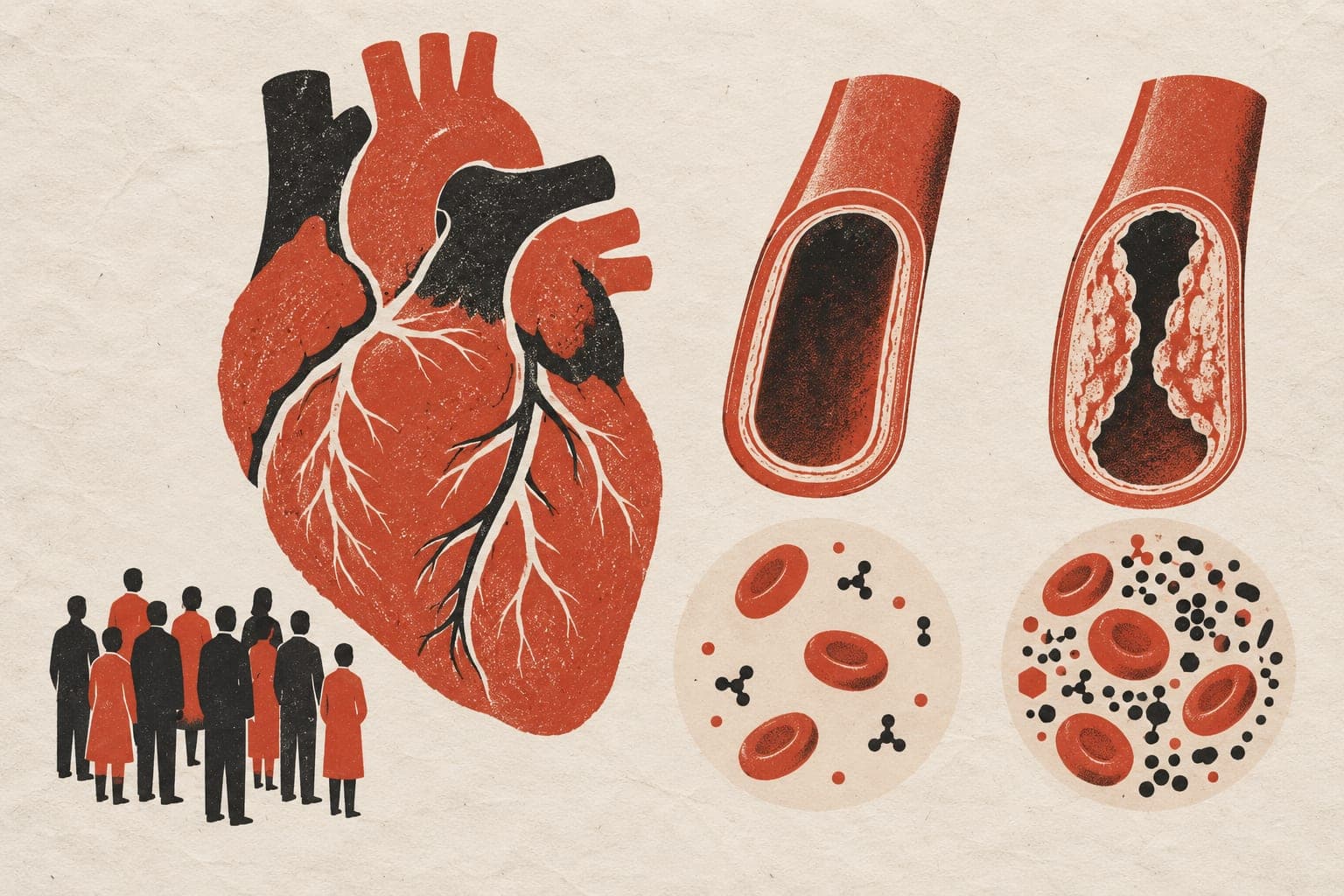
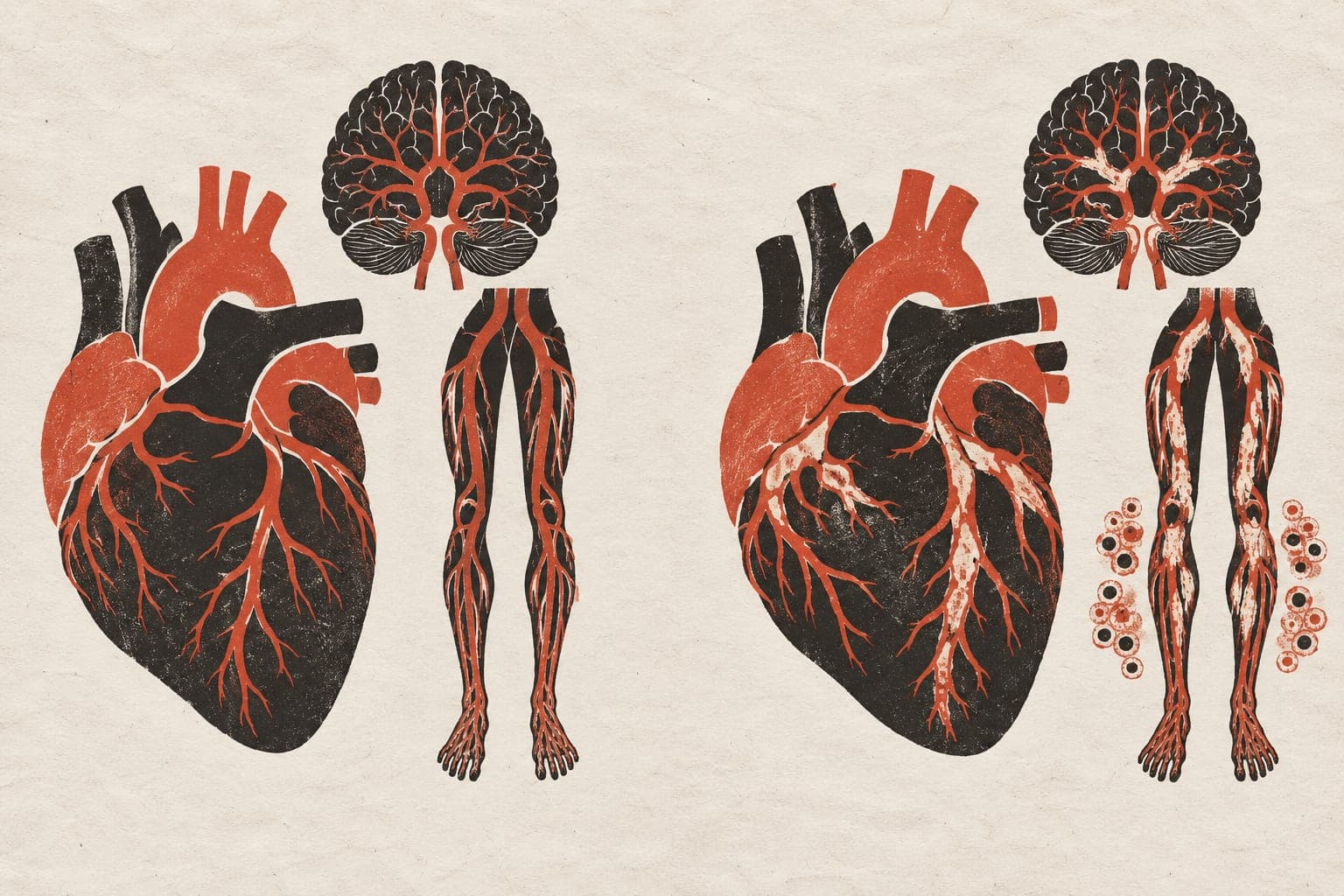
An observational study examined 657 patients undergoing elective vascular surgery—planned operations on blood vessels—at one centre from 2014 to 2023. Researchers assessed blood levels of fatty acid synthase, an enzyme made by the liver. They also used a five-item score of frailty, or reduced resilience to health stresses.
High enzyme levels were associated with serious adverse outcomes, death, limb-related events and further procedures over five years, but not major heart and blood vessel events. Severe frailty was associated with serious adverse outcomes and major heart and blood vessel events at one year, but not limb outcomes. Combining the measures improved the model’s ability to distinguish patients who experienced adverse outcomes from those who did not, beyond standard clinical factors.
Why it matters
Frailty concerns resilience to health stresses, an important issue in aging. The work explored whether surgical risk assessment could account for both physical reserve and artery disease activity.
Caveats
This observational study at one centre needs validation in other populations before the enzyme enters routine risk assessment. The paper is a preprint and has not been peer-reviewed.
The paper
Show 6 more authors
Abdullah Elahi, Omar Soltan, Jad Yacoub, Dina Ibrahim, Wahid Abu-Amer, Feng Gao,medRxiv · 12 Aug 2026 · Preprint, not peer-reviewed