Early dementia signs tended to link to higher cancer risk
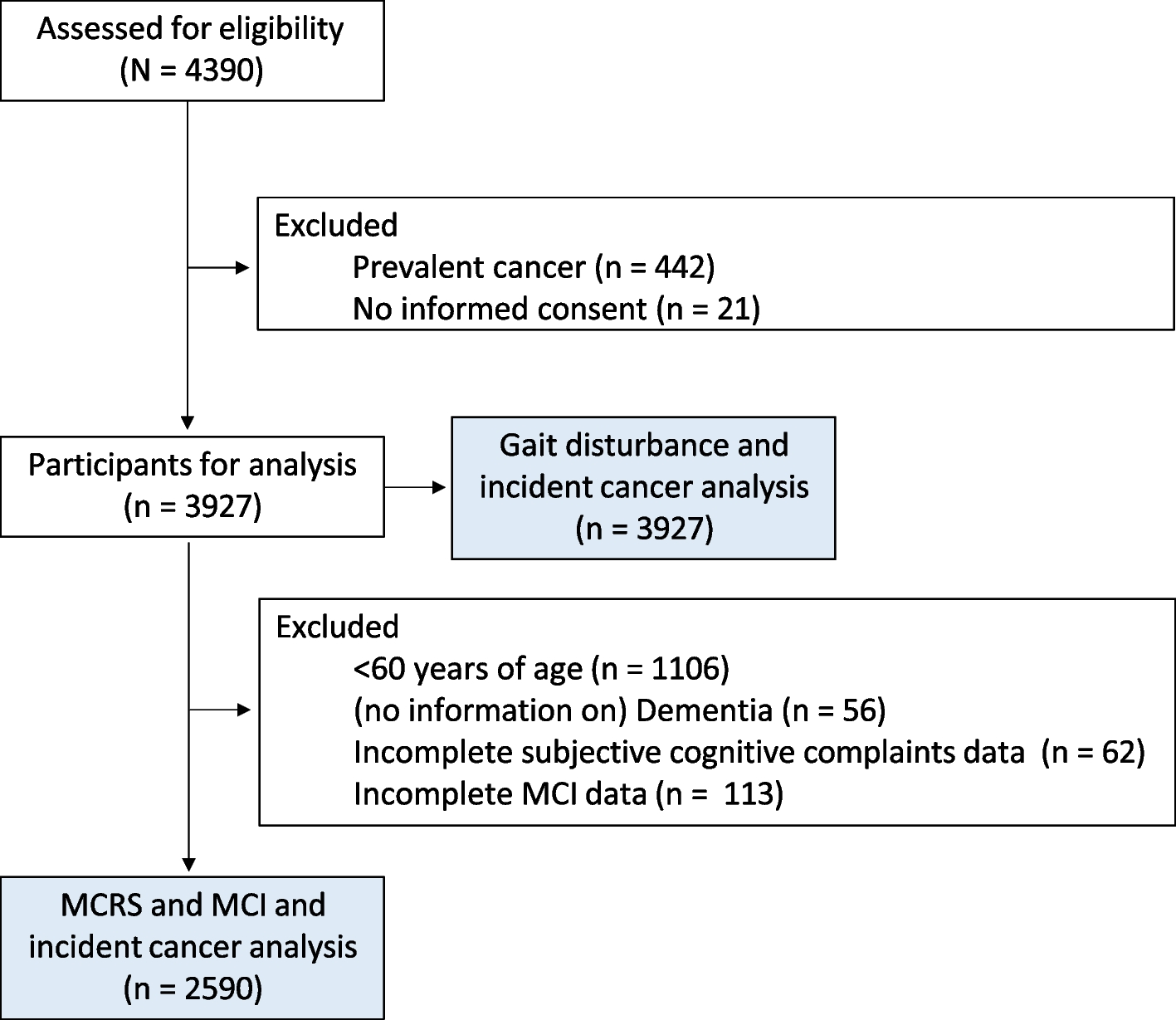
In an observational study of 2,590 dementia-free adults, individuals with early cognitive and walking difficulties tended to have an increased risk of cancer.
BMC Geriatrics
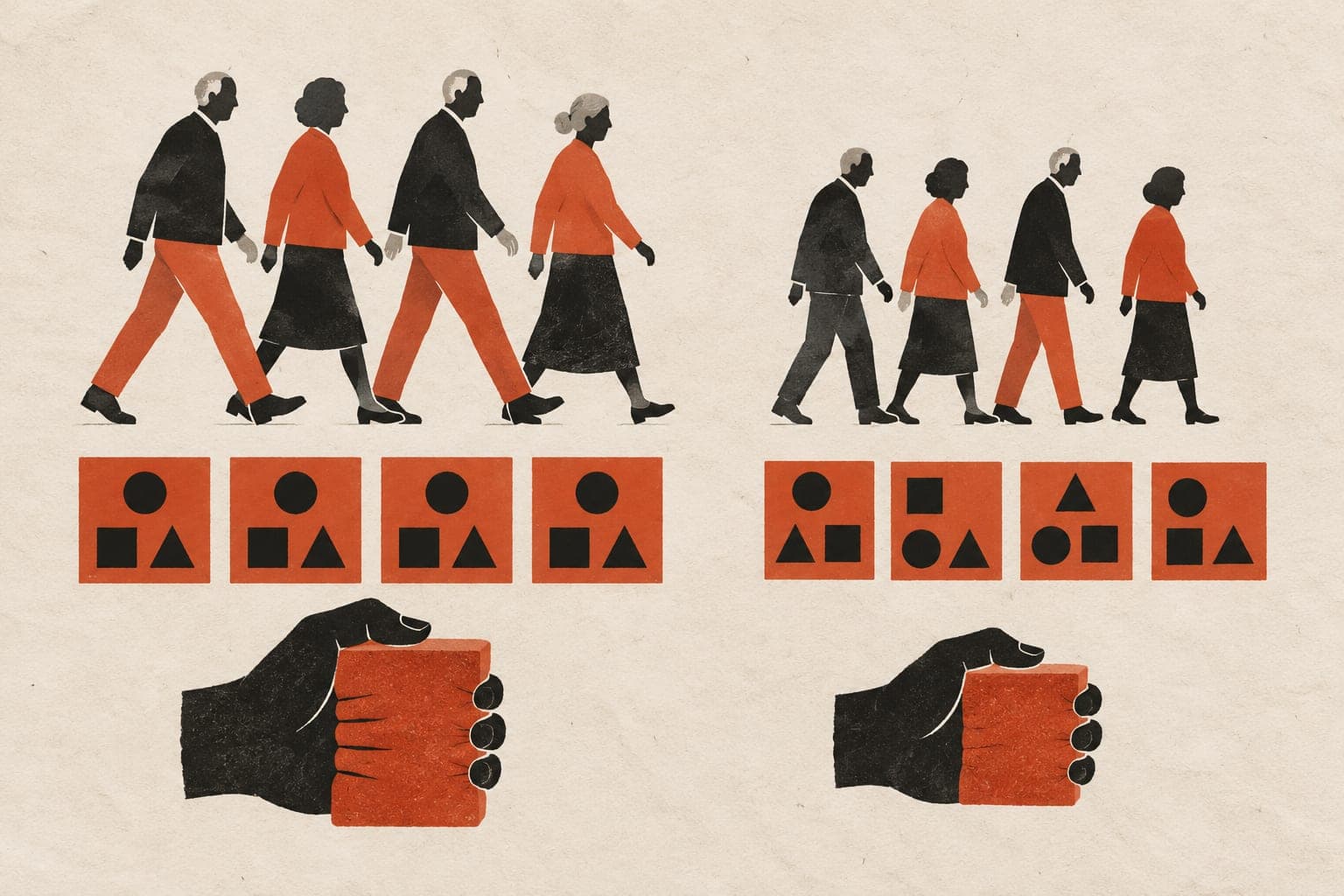
Researchers analysed data from 2,590 adults who were free of dementia and cancer at baseline in the Rotterdam Study, an observational cohort study. They tracked two early warning signs of dementia: mild cognitive impairment, marked by measurable cognitive difficulties, and motoric cognitive risk syndrome, which combines subjective cognitive complaints with slow walking. Participants with motoric cognitive risk syndrome tended to have an increased risk of cancer, with a hazard ratio of 1.26, a pattern mostly driven by slow gait. People with mild cognitive impairment also tended to have an increased risk of cancer, with a hazard ratio of 1.29. For both conditions, the range of likely values included no difference. Poorer walking overall was tied to a slightly higher cancer risk, an association that was stronger over the first three years of follow-up.
Why it matters
The findings support the idea that shared biological processes may link neurodegeneration and cancer as the body ages. Exploring early changes in movement and cognition could help researchers identify common vulnerabilities across these age-related conditions.
Caveats
As an observational study, the research cannot show cause and effect, and the statistical ranges of likely risk for both syndromes included no difference. A stronger association during the first three years also suggests that subclinical disease may partly underlie this link.
The paper
Linking dementia prodromes and cancer through motor function impairment: the Rotterdam-Study
Erasmus MC University Medical Center Rotterdam
BMC Geriatrics · 25 Jul 2026