Balance deficits in people with HIV linked to brain volume and age
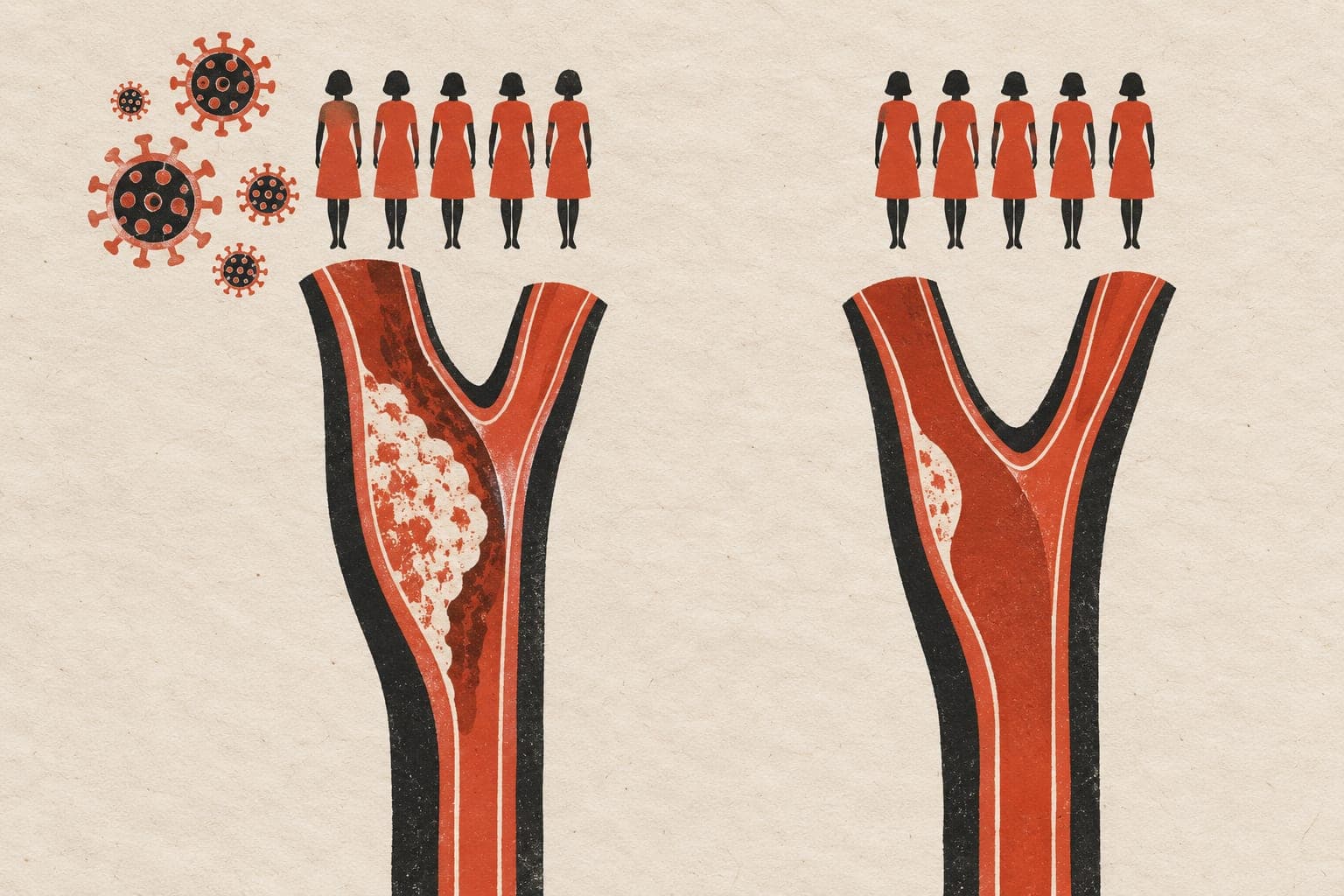
In an observational study of 58 people with HIV and 95 uninfected adults, HIV was linked to poorer balance across all tested tasks.
Journal of Acquired Immune Deficiency Syndromes
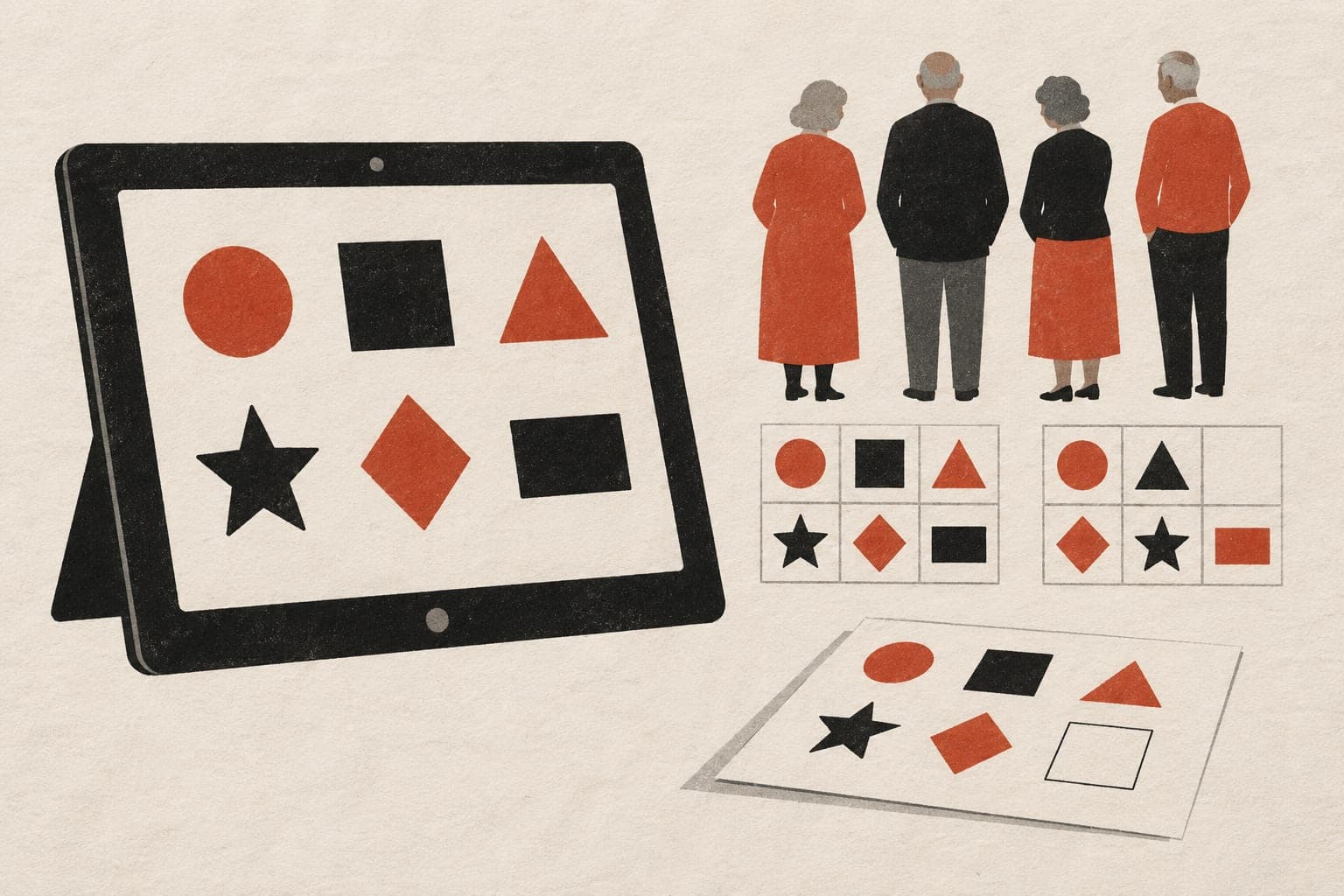
In an observational study, researchers assessed balance in 58 people with HIV and 95 people without HIV. Participants completed standing balance tasks with eyes open and closed. The researchers also measured the volumes of nine subregions of the thalamus, a brain structure that helps coordinate balance, alongside nerve damage, pain, and viral load. People with HIV performed worse across all balance tasks than uninfected participants. Among people with HIV, poorer balance with eyes open correlated with smaller volumes in the ventral posterior lateral thalamic nuclei. Higher neuropathy scores and higher viral loads were linked to poorer balance with eyes closed. Older age in people with HIV was also associated with more difficulty standing on one leg with eyes open, even after accounting for normal aging.
Why it matters
Balance diminishes with advancing age and is associated with the risk of falling. These findings suggest that factors such as thalamus volume, nerve damage, and viral control may contribute to balance instability as people with HIV grow older.
Caveats
The study was cross-sectional, meaning it can only identify associations rather than direct causes of instability. In addition, the group of people with HIV was relatively small, at 58 participants, and nerve damage assessments relied partly on self-reported symptoms.
- HIV infection
- HIV viral load
- Peripheral neuropathy
- Fregly-Graybiel ataxia test battery
- Ventral posterolateral thalamic nucleus volume
- Humans
The paper
Show 4 more authors
Manojkumar Saranathan, Kilian M Pohl, Natalie M Zahr, Adolf Pfefferbaum,Stanford University School of Medicine
Journal of Acquired Immune Deficiency Syndromes · 8 Oct 2026