Taking a pragmatic approach to implement colonoscopy quality at a health system level: Ontario's colonoscopy quality strategy
Abstract
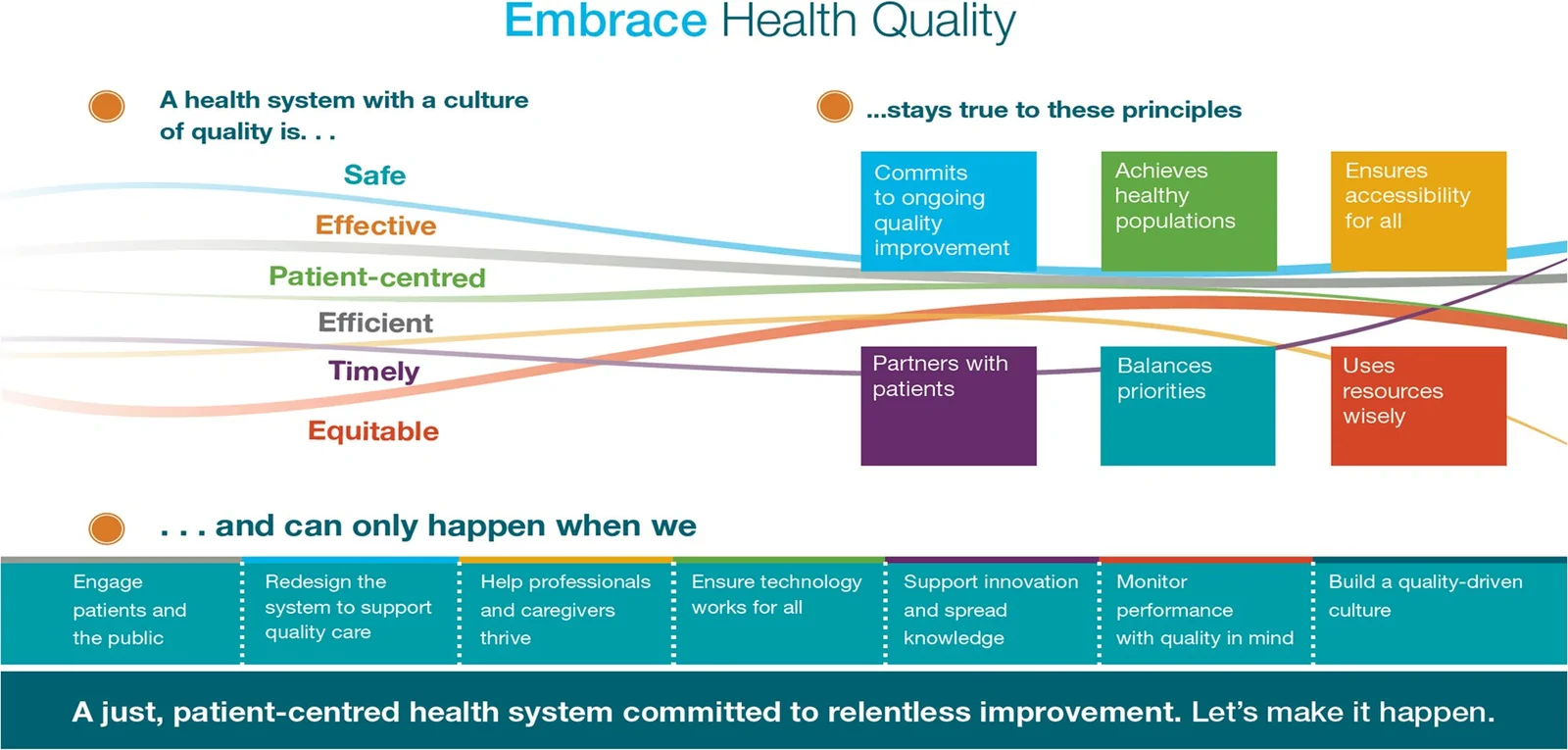
OBJECTIVES: To describe Ontario's colonoscopy quality strategy (OCQS), to review outcomes to date, to assess it against the Health Quality Ontario framework, and to identify areas for improvement. METHODS: We provide a descriptive analysis of the OCQS, tracing its development from the launch of the ColonCancerCheck program in 2007 through subsequent initiatives, including funding mechanisms, evidence-based standards, systematic data collection, provider-level performance reporting and feedback. The impact of the OCQS is assessed via temporal trends in colonoscopy quality indicators. RESULTS: The OCQS has evolved into a multipronged, system-wide strategy emphasizing evidence generation, collaboration with clinical leaders, and embedding quality improvement within regional cancer programs. Key achievements include standardized reporting, provincial and regional accountability structures, and integration of quality metrics into practice. Over time, there has been improvement in colonoscopy and screening indicators, reflecting the impact of the OCQS. Challenges include addressing endoscopists with persistent performance issues, optimizing accountability mechanisms, and sustaining engagement in a resource-constrained system. CONCLUSIONS: Ontario's experience demonstrates that implementing colonoscopy quality initiatives within a complex health system requires pragmatism, iterative refinement, and continuous evaluation. Lessons learned may inform other jurisdictions in designing and scaling endoscopy quality strategies.
The paper
University of Ottawa; Sunnybrook Health Science Centre
Journal of the Canadian Association of Gastroenterology, 30 Jul 2026