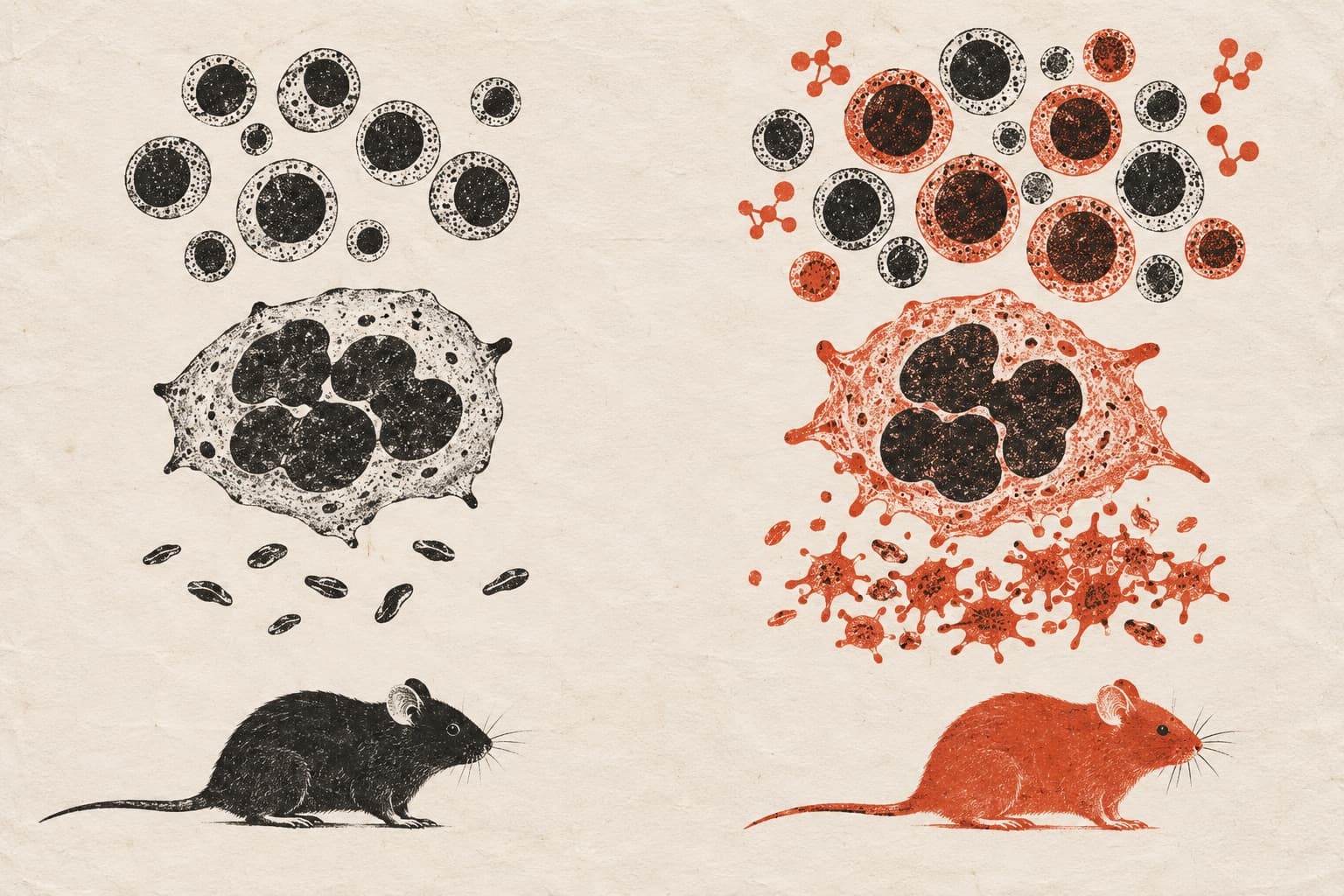
Metformin linked to fewer clots in blood cancer and diabetes
Metformin users had lower blood clot risk than non-users, with a hazard ratio of 0.78, a measure comparing risk over time.
Blood Advances
A retrospective observational study examined 1,153 people aged 66 or older with diabetes and either polycythemia vera or essential thrombocythemia, two blood cancers. Researchers used linked US cancer registry and Medicare records for people diagnosed between 2008 and 2019. All had at least six months of follow-up after diagnosis. Of these patients, 431 used metformin, a diabetes medicine, and 485 experienced blood clots after their cancer diagnosis.
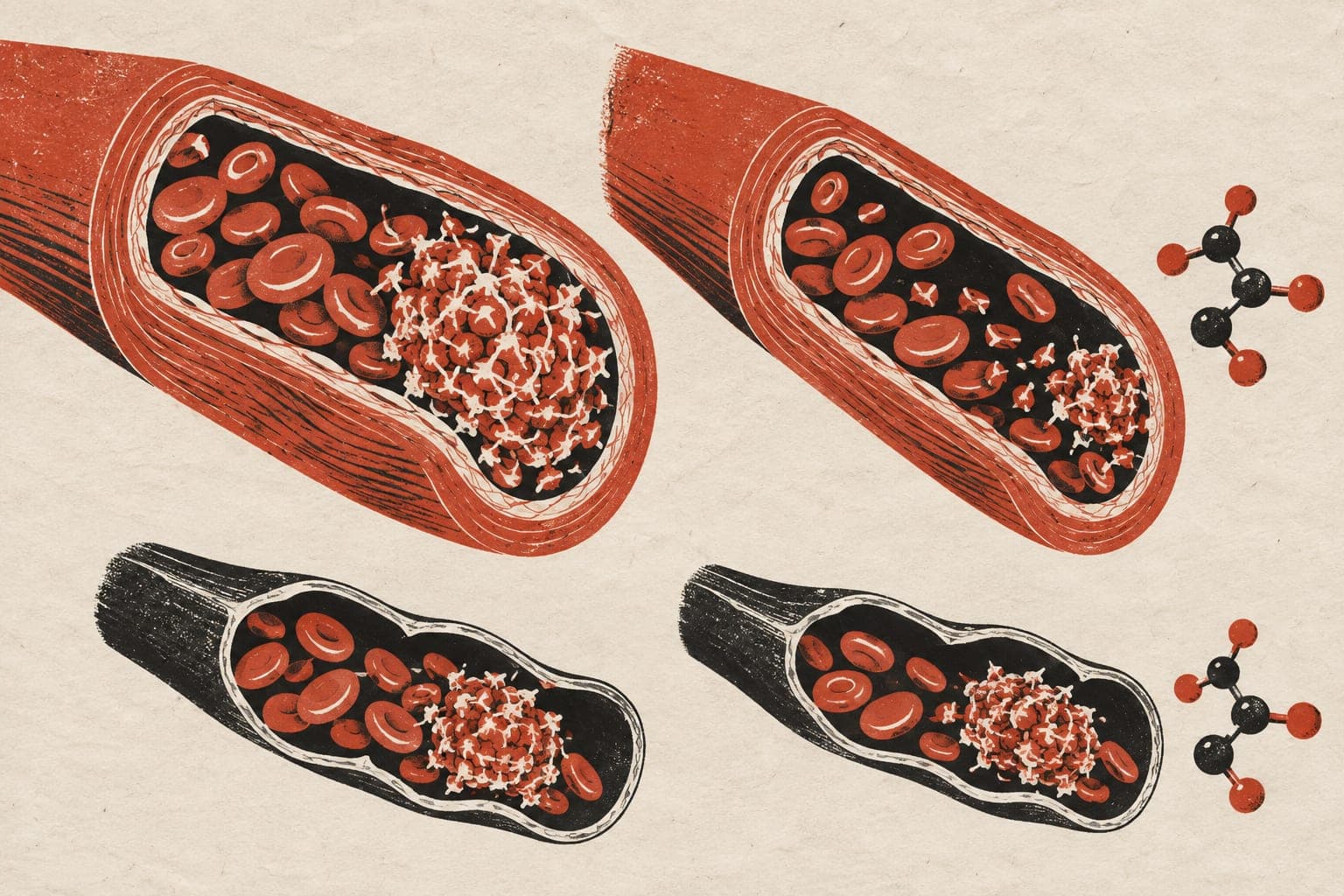
Metformin use was associated with lower blood clot risk in analyses that accounted for other factors. The association was especially apparent in people with severe diabetes and those without previous blood clots. Researchers did not find a clear association in mild diabetes. They found an association for clots in arteries, but not veins.
Why it matters
Older people with these blood cancers face increased blood clot risk, particularly when they also have diabetes. Identifying medicines that might help reduce this complication is relevant to their care.
Caveats
This observational study cannot show that metformin caused the lower risk; other differences between users and non-users may have influenced the results. It covered older Medicare beneficiaries with these blood cancers and diabetes.
The paper
Show 5 more authors
Lourdes M Mendez, Jan Philipp Bewersdorf, Maximilian Stahl, Amer M Zeidan, Xiaomei Ma,Yale University School of Medicine
Blood Advances · 6 Oct 2026