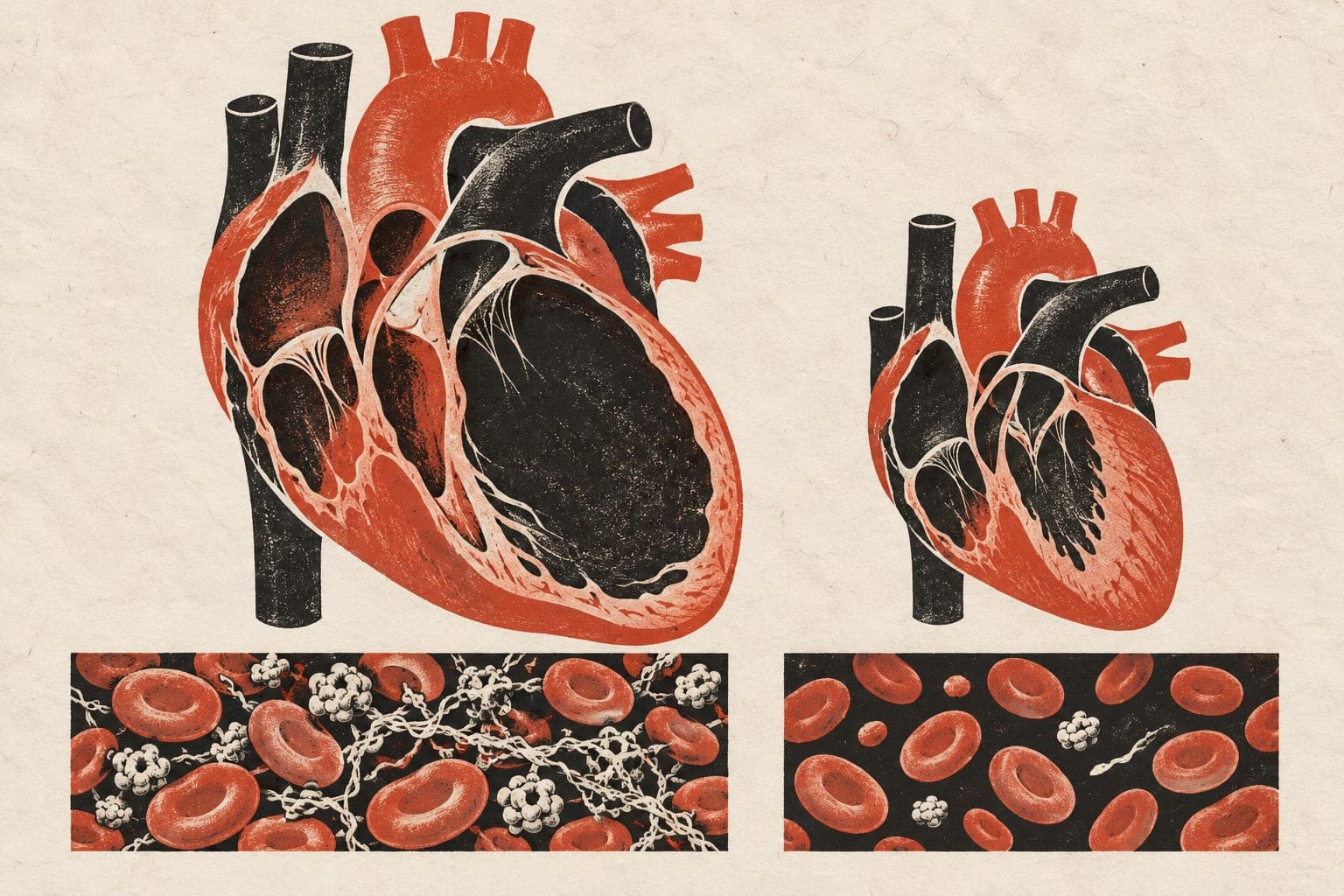
Frailty gap after COVID-19 lung injury narrowed over time
A three-year observational study of 150 hospitalised adults found greater early frailty after severe lung injury than after pneumonia requiring only oxygen through nasal tubes.
CHEST Critical Care
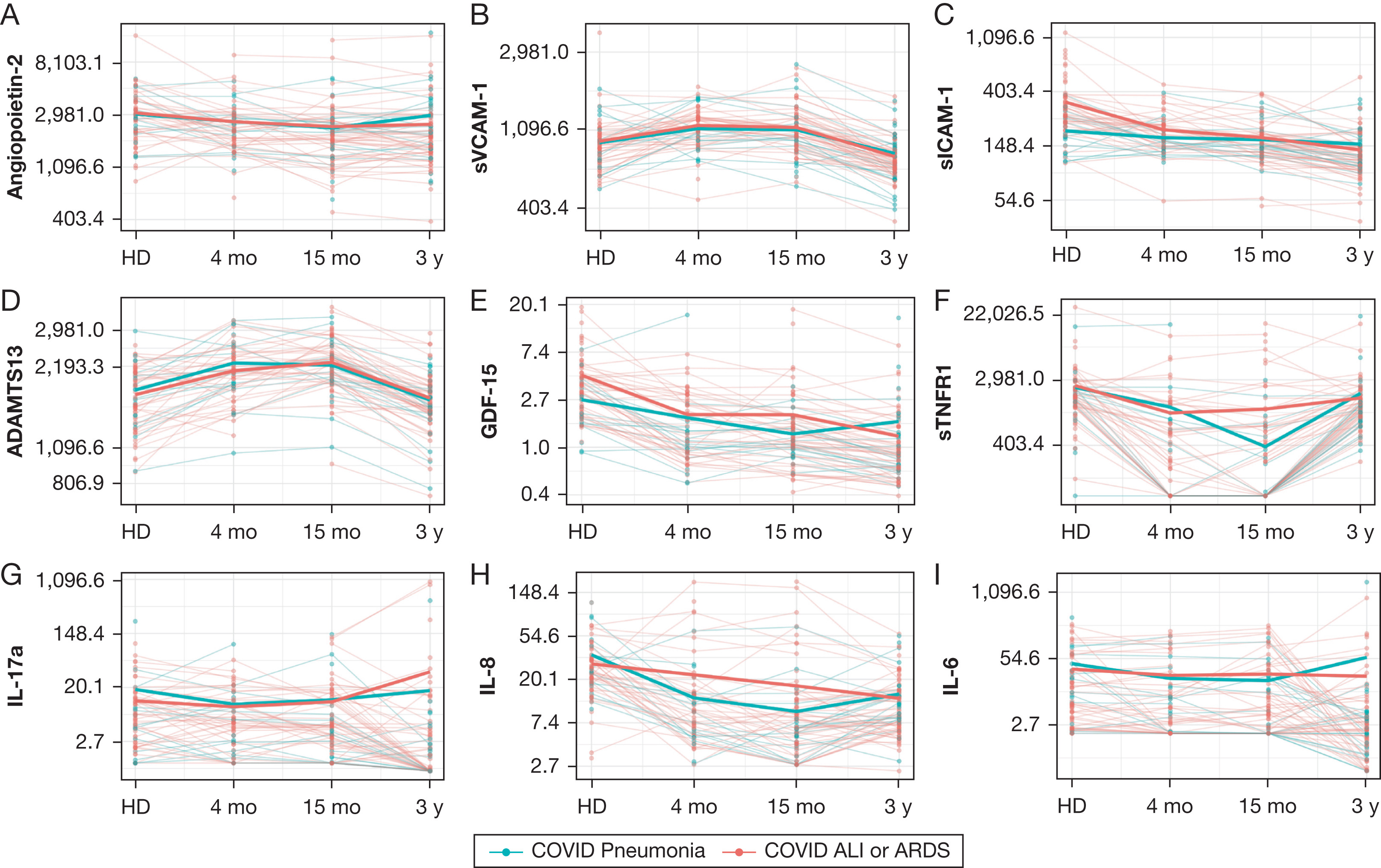
Researchers followed 150 adults hospitalised during the first COVID-19 wave in a prospective observational cohort study. Of these, 101 had acute respiratory distress syndrome, a form of severe lung injury. The other 49 had pneumonia requiring only oxygen through nasal tubes. Researchers assessed physical function, frailty—reduced physical resilience—and nine blood markers at four months, 15 months and three years.
Adjusted analyses found greater frailty among survivors of severe lung injury at four months and in analyses summarising measurements across three years. They also had higher levels of two blood proteins at discharge. These group differences largely converged by 15 months and three years. Of the nine markers, only growth differentiation factor 15, a blood protein measured at discharge, was associated with later frailty.
Why it matters
Frailty concerns the loss of physical resilience, an important question in aging. The researchers suggested that targeting lingering inflammation-related cellular stress at discharge could reduce frailty after COVID-19 lung injury.
Caveats
This single-centre observational study could not show that blood markers caused frailty or that targeting them would help. The findings were preliminary and require validation.
The paper
Show 7 more authors
Claire F. McGroder, Scarlett O. Murphy, C. Depender, Margarita Mira-Sanchez, Charity O. Ogunlusi, Christine Kim Garcia, Ying Wei,CHEST Critical Care · 7 Mar 2026