Resident tissue macrophages transfer selenium transporter protein to protect pancreatic cancer from ferroptosis
Abstract
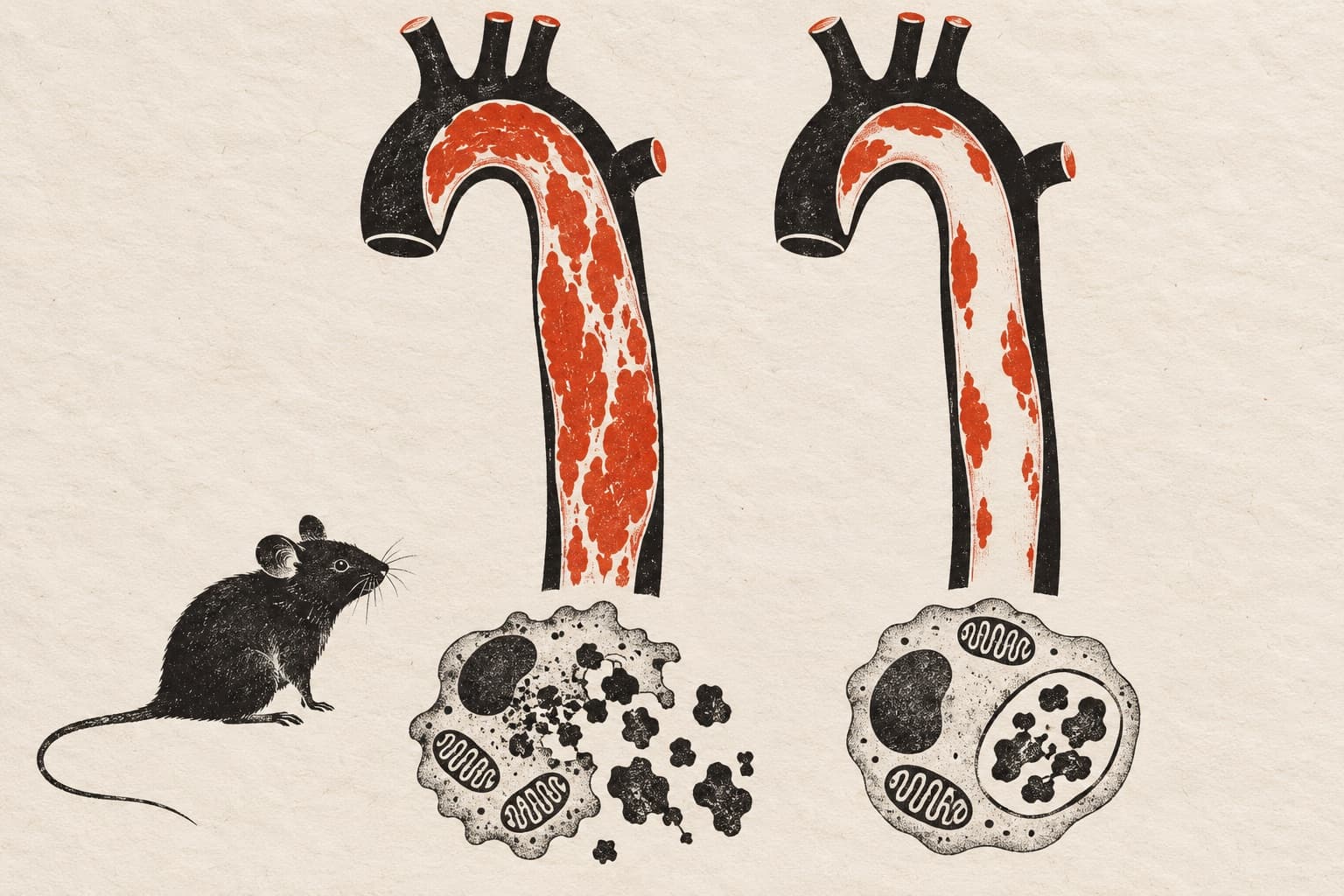
Pancreatic ductal adenocarcinoma (PDAC), an aggressive cancer with a poor prognosis, contains resident tissue macrophages (RTMs) present before tumor onset and monocyte-derived macrophages recruited during tumor development, but their distinct roles in supporting tumor progression remain unclear. Combining single-cell profiling, spatial analysis, lineage tracing, RTM depletion, and selenium tracing, we found that RTMs preferentially localize at the tumor border, where they promote epithelial-mesenchymal transition (EMT), tumor growth, and metastasis. Mechanistically, RTMs transfer the selenium transporter Selenop to EMThi tumor cells through LRP8-dependent uptake, increasing tumor-cell selenium availability, limiting lipid peroxidation, and shielding EMThi tumor cells from ferroptosis. RTM-specific Selenop deletion or tumor-cell Lrp8 disruption reduced EMT and tumor progression, whereas ferroptosis inhibition reversed the effect of RTM depletion. Human PDAC showed border-enriched SEPP1⁺ RTMs near EMThi tumor cells, suggesting a conserved macrophage-derived selenium niche that supports invasive tumor states and highlighting the potential for targeting RTMs or their secretory factors in PDAC.
The paper
Shanghai Jiao Tong University; Agency for Science, Technology and Research
Cell, Sep 24, 2026