Association between muscle fatigability, self-perceived fatigue and inflammation in older adults: A systematic literature review
Declared ties to: Vrije Universiteit Brussel
Abstract
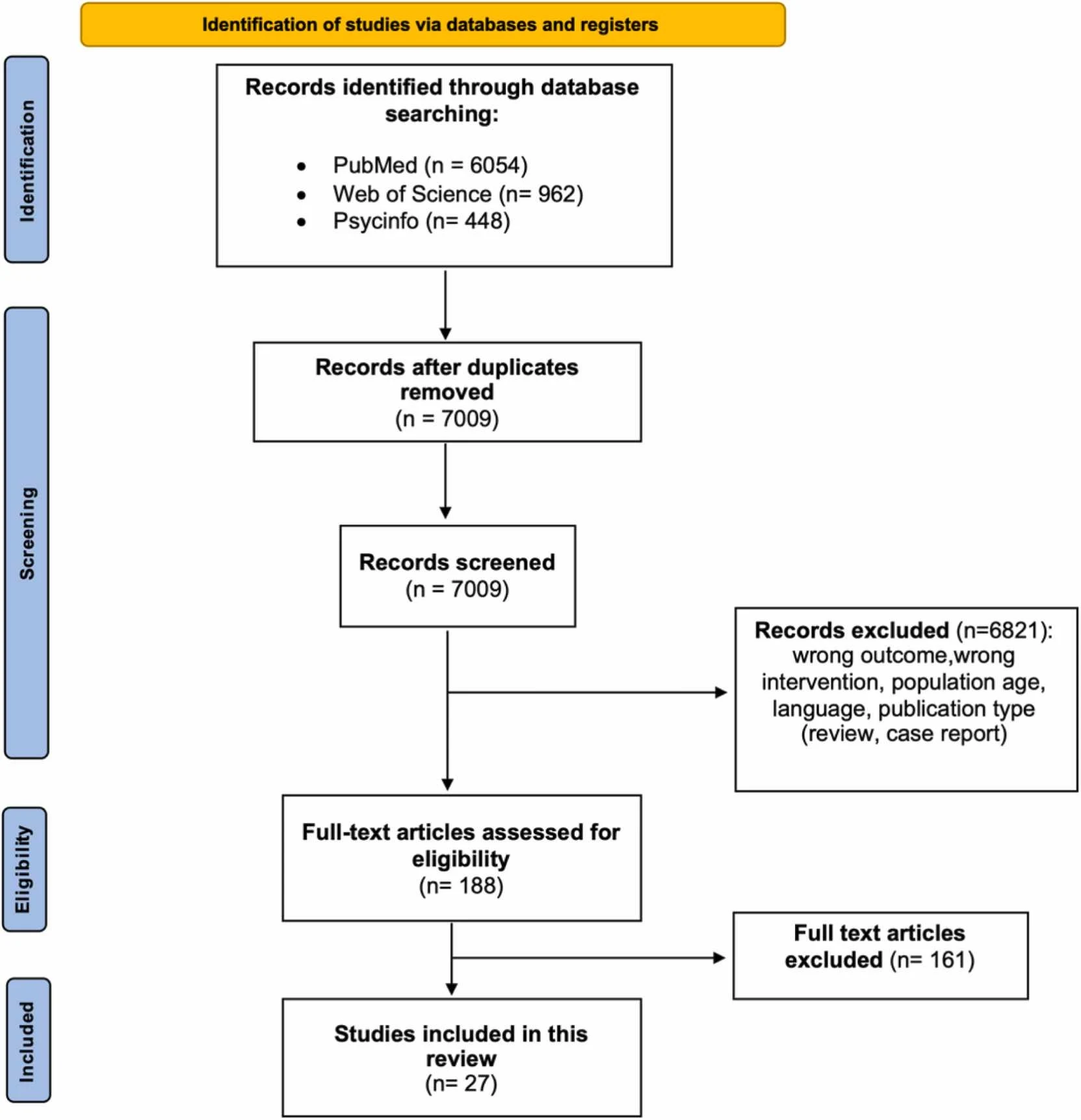
BACKGROUND: Muscle fatigability (MF) and self-perceived fatigue (SPF) are two intertwined dimensions of fatigue. Chronic inflammation is a hallmark of ageing and contributes to the pathophysiology fatigue. OBJECTIVES: To review published literature on the association between circulating inflammatory biomarkers and both MF and SPF in older adults. METHODS: PubMed, Web of Science, and PSycINFO were systematically screened for publications reporting on MF and/or SPF and inflammation in adults aged 65 and above, resulting in 7009 articles. Measures of the association between MF or SPF and systemic inflammation were extracted from the included studies. When possible, a meta-correlation was performed. RESULTS: 27 articles (4962 patients) were included in this study. Meta-correlations showed that IL-6 was significantly correlated with both MF (7 studies; r = -0.189, p = 0.0017) and SPF (2 studies; r = 0.160, p = 0.0241). TNF-α had no significant correlation with MF (4 studies; r = -0.052, p = 0.196) and data were insufficient to perform a meta correlation with SPF. CRP did not significantly correlate with MF (4 studies; r = -0.078, p = 0.19), while high heterogeneity precluded correlation with SPF. The studies not included in the meta-correlations confirmed the significant association between IL-6 and both MF (3 studies) and SPF (5 studies). These studies also showed a significant association between CRP and SPF (6 studies) and between TNF-α and both MF (1 study) and SPF (1 study). CONCLUSION: A significant correlation between fatigue (MF and SPF) and inflammation was found. Among the inflammatory biomarkers investigated, IL-6 showed the most consistent association with both MF and SPF across the included studies.
The paper
Vrije Universiteit Brussel
Ageing Research Reviews, 22 Sep 2026