Researchers propose six-part model of later-life health
An observational analysis of 46,317 adults aged 50–104 supported a model that includes financial autonomy alongside physical, mental and social aspects of health.
Our read
Biomarkers- Studied:
- Cross-sectional study of 46,317 adults aged 50–104
- What changed:
- Health in older adults grouped into six related dimensions, including financial autonomy
- The catch:
- The analysis did not track how health dimensions change together over time
- Why it’s aging research:
- It measures an outcome that worsens with age.
Editor of record: Boris Djordjevic · AgingResearch.News
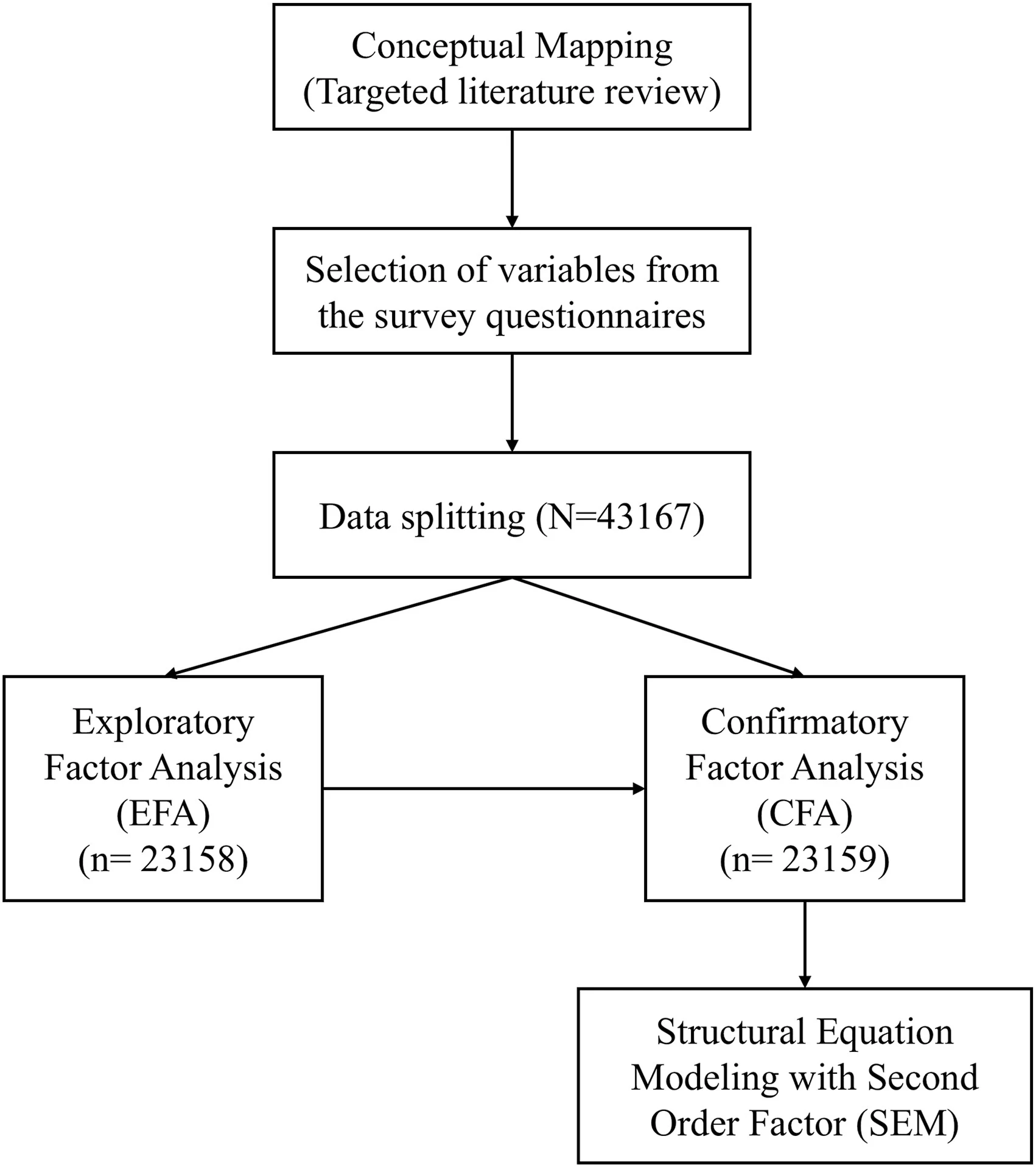
An observational analysis examined 46,317 adults aged 50–104 in the Survey of Health, Ageing and Retirement in Europe. Women made up 57.4% of participants and men 42.6%. The researchers used data from the survey’s eighth wave.
They selected survey measures using existing theories of health, then tested how those measures grouped together statistically. Their analysis supported six related dimensions: physical health; everyday functioning; thinking abilities; psychological wellbeing; financial autonomy, meaning control over financial resources; and social engagement. The authors suggested that health in later life is best understood as a system encompassing these capacities and resources, rather than through physical, mental and social dimensions alone.
Why it matters
How health is measured shapes the study of healthy aging. The authors present their model as a bridge between healthy-aging theories and measures available in population surveys.
Caveats
The analysis used one survey wave, so it did not test how these dimensions change together over time. The authors called for validation beyond Europe.
The paper
Rethinking health in later life: A six-dimensional model based on the European SHARE survey
Kyoto University
Social Science & Medicine, Sep 16, 2026

Comments
Be the first to comment.