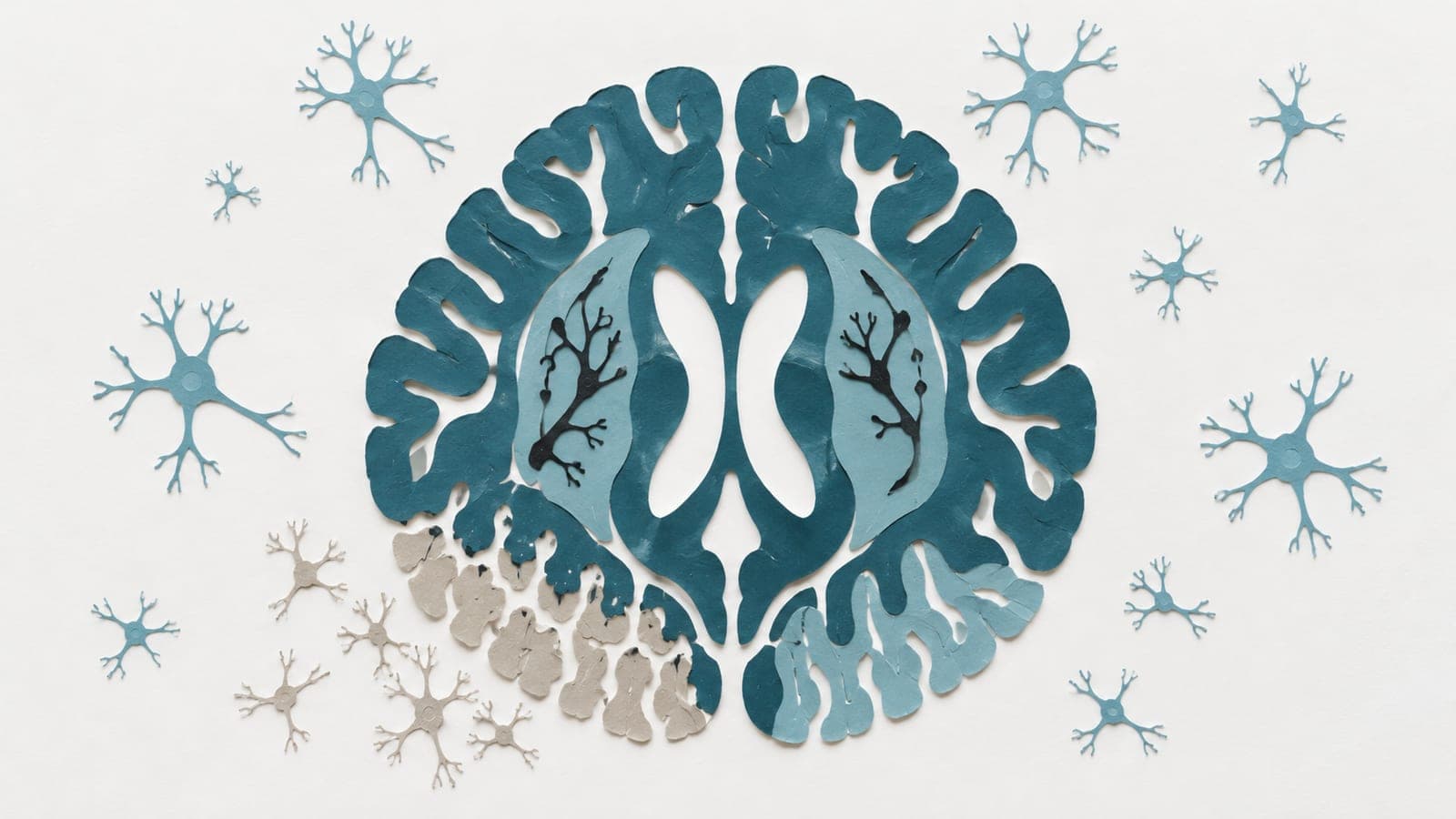
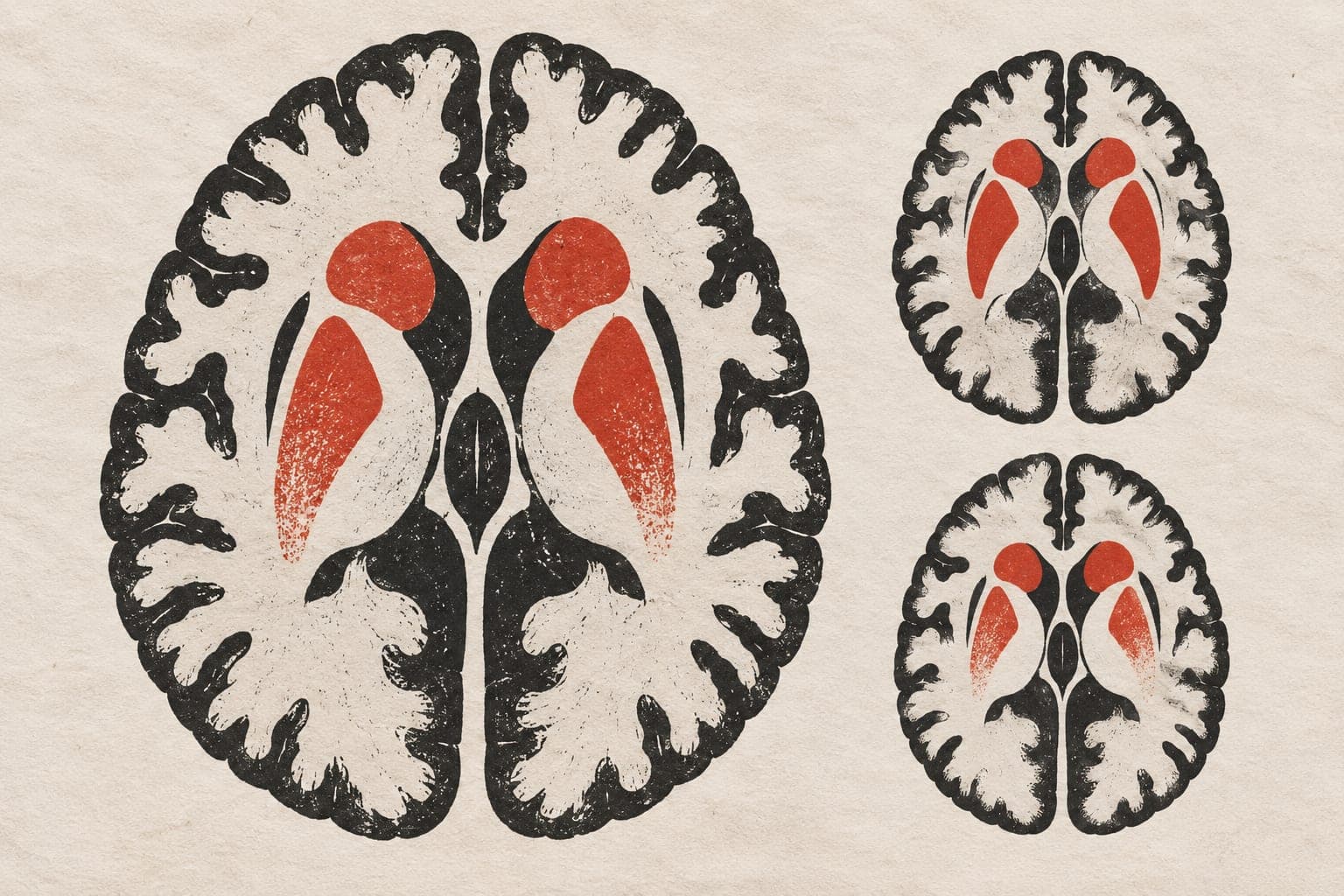
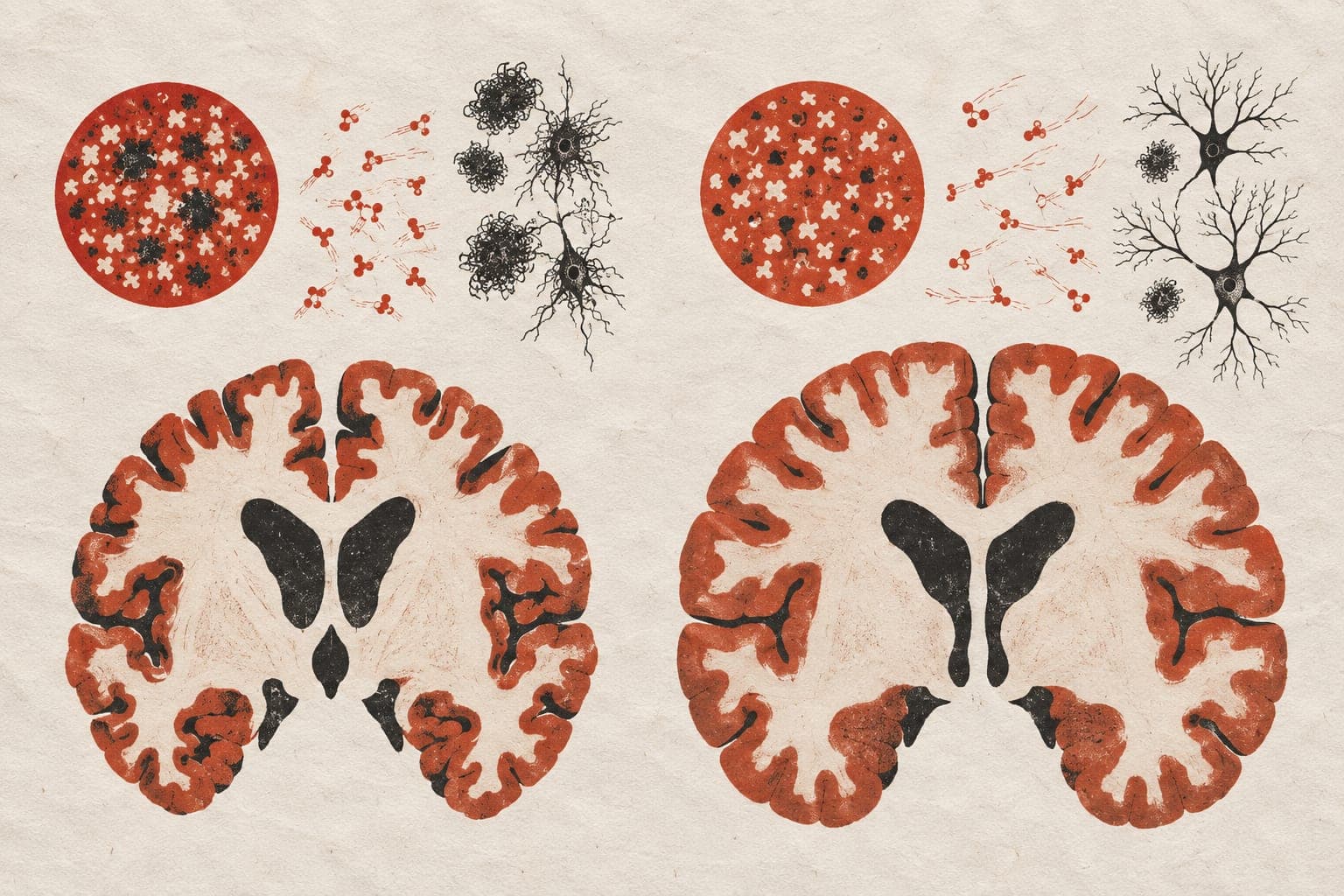
Regional brain metabolic dynamics after shunting in Idiopathic normal pressure hydrocephalus, a longitudinal MR spectroscopy study
Abstract
BACKGROUND: Idiopathic normal pressure hydrocephalus (iNPH) is increasingly recognised as a cortico-thalamo-basal ganglia-cortical circuit disorder, yet the metabolic basis of post-shunt recovery remains incompletely understood. OBJECTIVE: To test the association between VPS and induced regional metabolic changes and domain-specific clinical improvement in iNPH, with strict demarcation of FDR-significant versus exploratory findings. METHODS: Fifteen iNPH patients underwent 3 T multivoxel proton MRS and Hellström iNPH scale assessment - whose Total Score assigns a 40% weight to the Gait domain - preoperatively and 3 months post-shunt. Δ% metabolite concentrations in pre-specified regions were correlated with Δ% clinical scores, FDR-corrected across 160 tests. Wilcoxon signed-rank tested longitudinal changes. RESULTS: Across 160 tests, only Δ% right thalamic Cr with cognitive improvement survived FDR correction (ρ = 0.779, FDR-adjusted p = 0.025) - the sole primary, statistically robust finding - supported by a group-level postoperative increase (Δ% = +1.18, p = 0.008). Two further correlations did not survive FDR and are reported as exploratory, hypothesis-generating trends, not confirmatory evidence, Δ% right basal ganglia Cr with gait (ρ = 0.679, FDR-p = 0.08); and Δ% right medial frontal Lac with balance (ρ = - 0.709, FDR-p = 0.08). In the 9-month subset (n = 4), no inferential statistics were applied; trends were directionally maintained as an internal measurement-stability check. CONCLUSION: These findings are consistent with iNPH as a treatable cortico-thalamo-basal ganglia-cortical circuit disorder, although the present exploratory design does not establish a reversible metabolic basis or a causal relationship between metabolic and clinical change. Post-shunt metabolic changes - most robustly in the right thalamus - were observed in association with clinical improvement; whether this association reflects restoration of thalamic bioenergetics and contributes to postsurgical cognitive recovery cannot be determined from this study. Independent confirmation in adequately powered cohorts is required before any specific relationship can be regarded as mechanistically definitive.
The paper
Karadeniz Technical University
Journal of Clinical Neuroscience, 15 Sep 2026