Work linked to better health indicators in older adults in Japan
Compared with not working, working 1–3 days weekly had favorable associations with 24 of 46 indicators; at least four days, with 25.
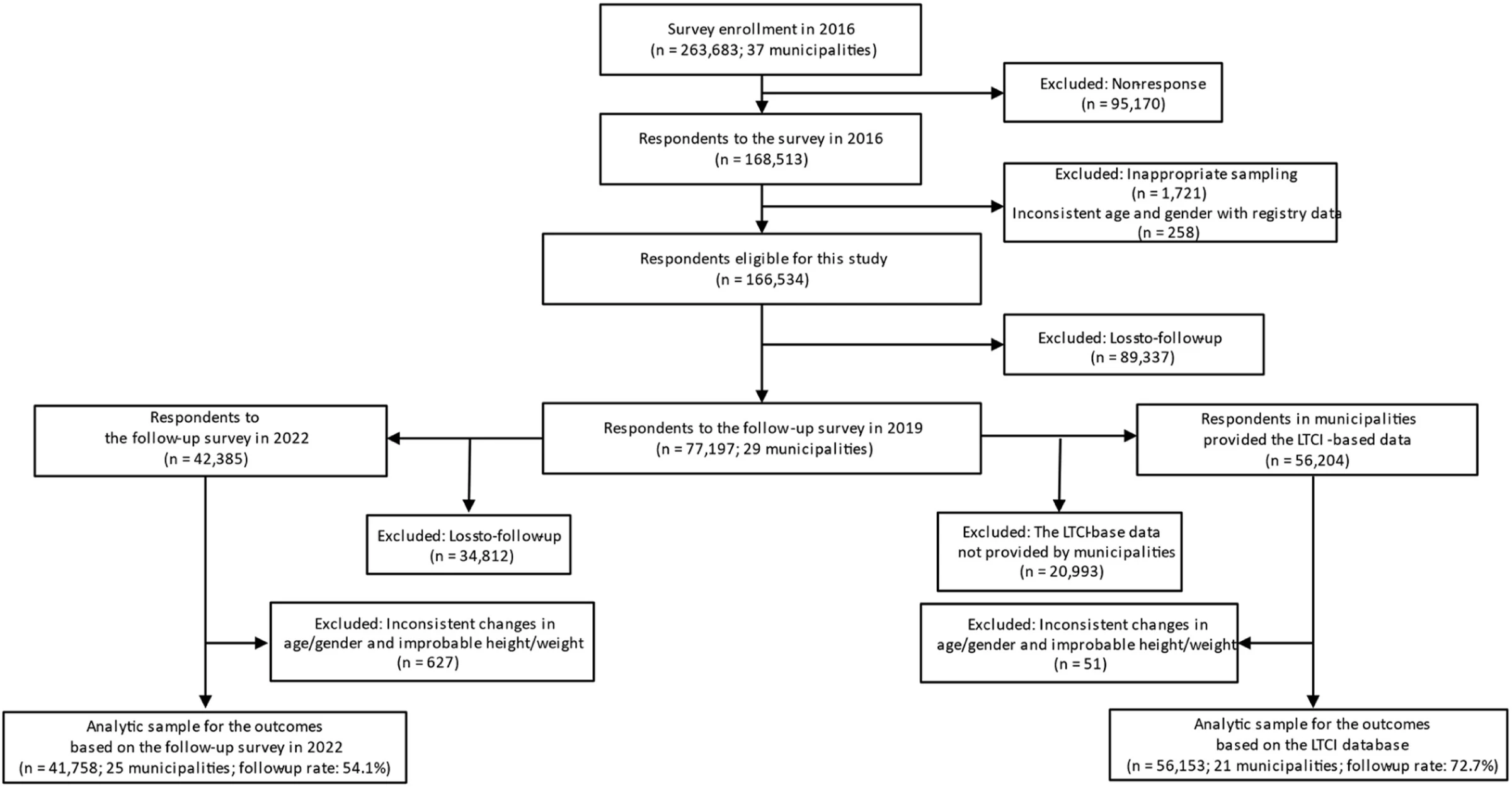
56,153 participants, dose-response
Limit: Better health can keep people working, rather than work improving health
Edited by Boris Djordjevic · AgingResearch.News
An observational study used two datasets of older adults in Japan: 41,758 people for self-reported outcomes and 56,153 for deaths, dementia and disability. The first dataset covered 2016, 2019 and 2022. The second linked 2016–2019 surveys with long-term care insurance records through 2022. Researchers adjusted their analyses for earlier outcome measurements and other characteristics.
Compared with not working, working 1–3 days a week or at least four days a week was associated with more favorable health and well-being indicators and lower mortality. The mortality odds ratios were 0.71 and 0.60, respectively; values below 1 indicate lower odds. Working at least four days weekly was also linked to less participation in sports and hobby groups and higher smoking and drinking prevalence.
Why it matters
Work in later life has been linked to health and well-being. This study addressed whether those links vary with how often older adults work.
Caveats
These observational findings cannot establish that working improved health, because health shapes who keeps working. Work quality was unmeasured, and the results concern older adults in Japan.
The paper
Chiba University
Archives of Gerontology and Geriatrics, Sep 6, 2026, Open access


