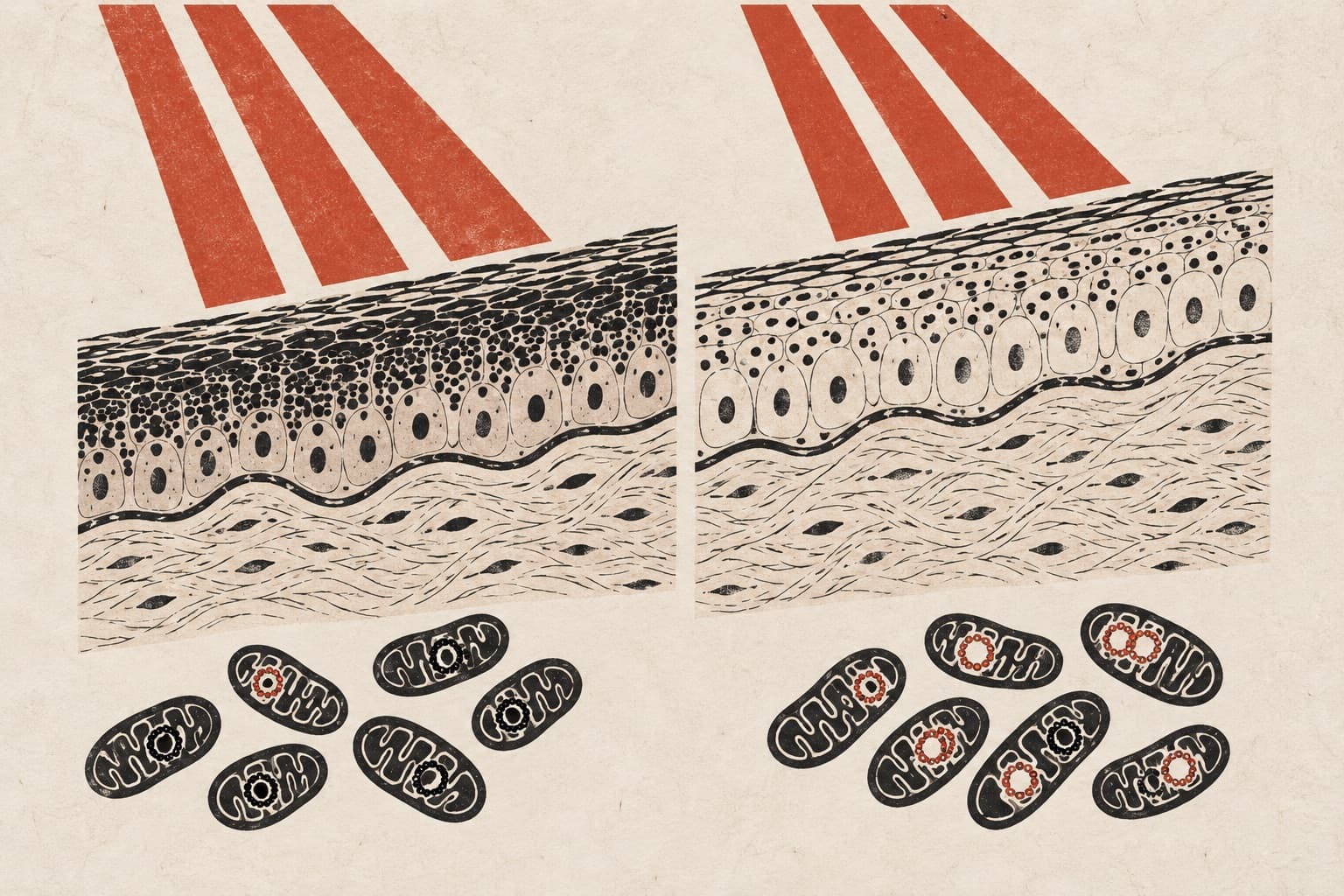
Skin phenotype diversity across populations: from skin morphology to molecular phenotype
Abstract
The considerable range of phenotypic variation observed in human populations may partly reflect distinct processes of natural selection and adaptation to variable environmental conditions. Differences in physiological indices, structure, molecular phenotypes and metabolic mechanisms of the skin across populations with varying skin phototypes are also a reflection of this unique process. These differences are reflected in skin color, pH, moisture content, water loss, sebum secretion, and skin elasticity. The differences in skin properties are determined by variations in molecular phenotypes, such as morphology, gene expression, protein composition, lipid metabolism, and skin microecology. These molecular phenotypes, which are influenced by a complex interplay of genetic, environmental, and social factors, cluster differently across populations that are often categorized by race or ethnicity in the cited literature. Understanding skin morphology and molecular phenotypes across populations with diverse skin phototypes will allow for a more comprehensive understanding of the molecular mechanisms underlying differences in skin properties, and for more accurate dermatological diagnosis, skin management, and regulation of related products.
The paper
Beijing Technology and Business University
Frontiers in Medicine, 27 Aug 2026