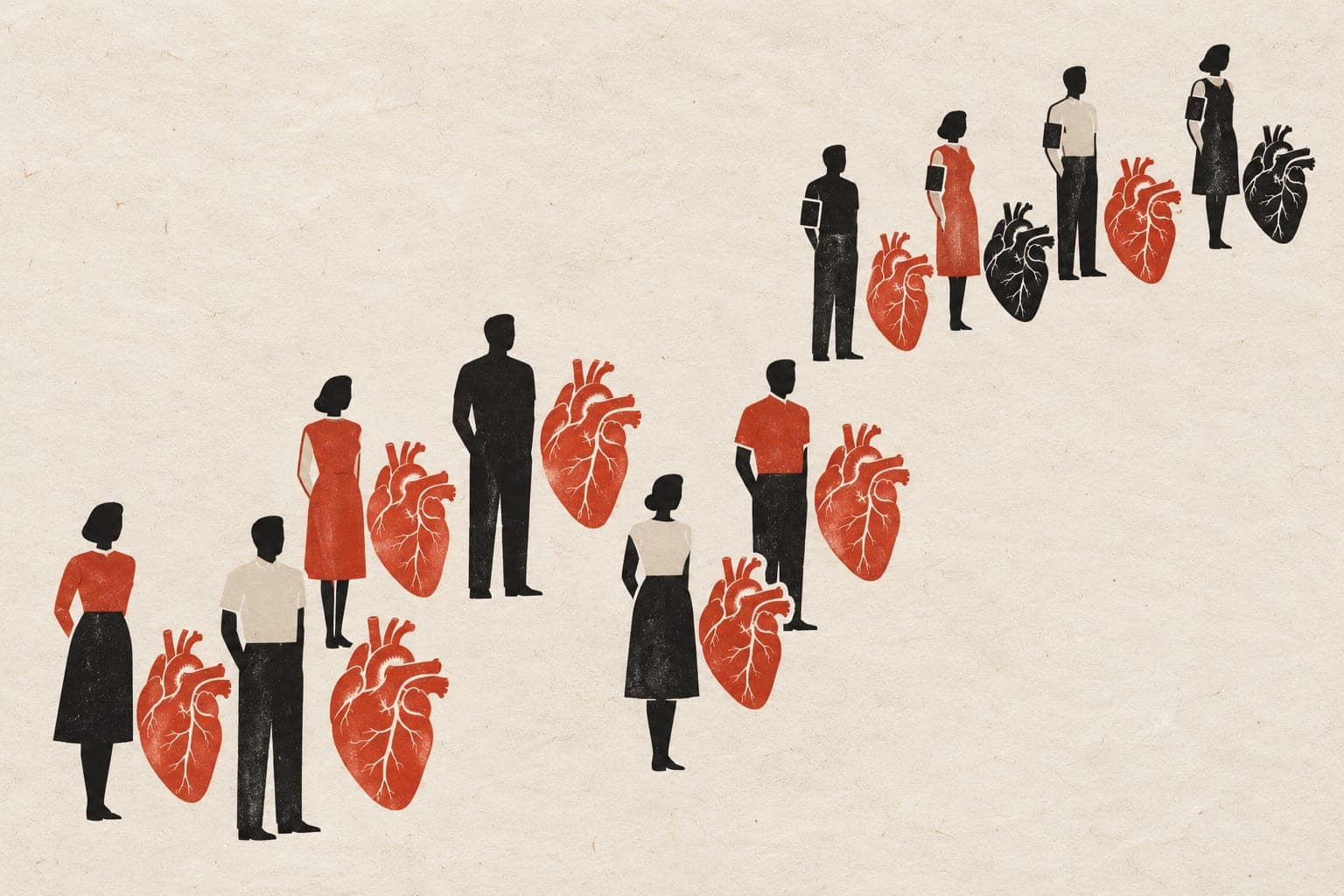
Hidden morbidity in early adulthood: Discrepancies between self-reported and screening-detected health conditions among university students in Ghana
Declared no competing interests
Abstract
BACKGROUND: Hidden morbidity represents a significant public health concern because undiagnosed conditions can progress silently and worsen long-term health outcomes. The risk of non-communicable disease begins to rise in early adulthood, yet many young adults remain unaware of emerging health problems and opportunities for early detection and intervention are frequently missed. This study examined hidden morbidity among first-year students by comparing self-reported health information with screening outcomes for elevated blood pressure and sickle cell status. METHODS: We conducted a secondary analysis of cross-sectional screening data collected at the University Hospital of the Kwame Nkrumah University of Science and Technology in Kumasi, Ghana. Self-reported health information was compared with clinically measured blood pressure and laboratory-confirmed sickling status, with the screening results considered as the reference standards. Hidden morbidity refers to screening-detected health conditions not reported by students. Factors associated with hidden elevated blood pressure and sickle cell status were examined using multivariable logistic regression analysis. RESULTS: Among 12,360 students screened, 799 (6.5%, 95% CI: 6.03-6.90) had screening-detected, hidden elevated blood pressure, and 1503 (12.2%, 95% CI: 11.58-12.74) had screening-detected, hidden sickle cell status. Self-reported hypertension had low sensitivity (6.88%, 95%CI: 5.18, 8.57) and high specificity (99.40%, 95%CI: 99.26, 99.54) for detecting participants with elevated blood pressure during screening. Similarly, self-reported sickle cell status showed low sensitivity at 5.53% (95%CI: 4.41, 6.65) and high specificity at 99.60% (95%CI: 99.48,99.72). Age, sex, and body mass index were associated with elevated but hidden blood pressure. CONCLUSION: This study demonstrated that hidden morbidity was rife among this sample of university students, with a substantial proportion unaware of their elevated blood pressure and sickle cell status. The difference between self-reported and screening-detected health conditions underscores the need not to rely solely on self-reported health information among young adults.
The paper
Kwame Nkrumah University of Science and Technology
Global Epidemiology, 22 Aug 2026