Machine learning flags reliable muscle estimates in older adults
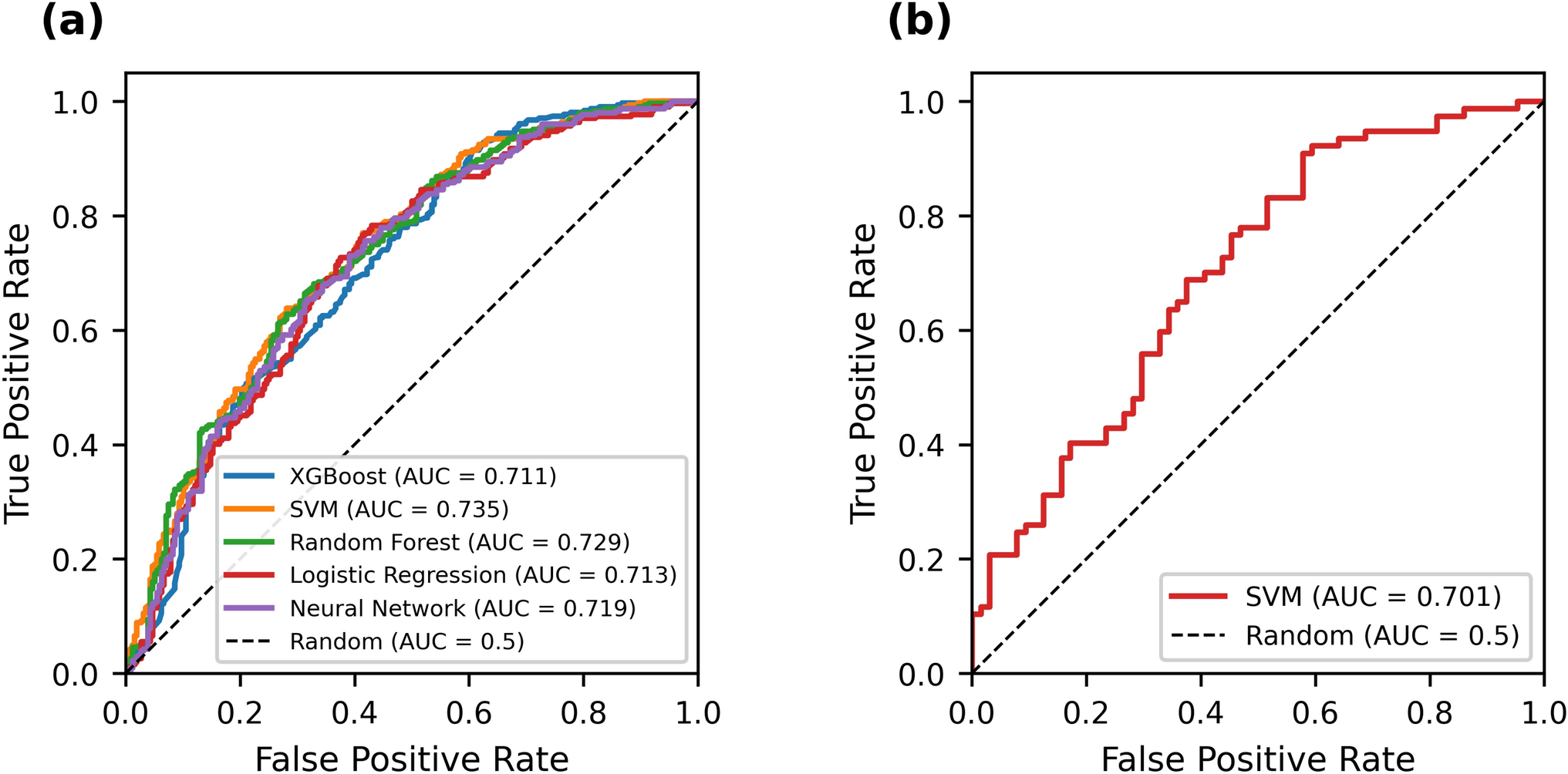
The best-performing model had an accuracy score of 0.70 for classifying estimates as within 1.14 kilograms of an X-ray reference measurement or outside that range.
Our read
Biomarkers- Studied:
- Cross-sectional study of 701 adults aged 65 or older
- What changed:
- The best-performing model had an accuracy score of 0.70 for classifying muscle estimates
- The catch:
- Whether model-guided decisions improved patients' health was not measured
Editor of record: Boris Djordjevic · AgingResearch.News
Among 701 adults aged 65 or older, including 550 healthy participants and 151 outpatients, a cross-sectional study tested machine learning to judge the reliability of muscle measurements. Researchers compared estimates of arm and leg muscle mass from bioelectrical impedance, which measures resistance to an electrical current, with measurements from a specialized X-ray scan.
They defined an accurate estimate as one within 1.14 kilograms of the scan result. Estimates met that threshold in 62.4% of healthy participants but 25.2% of outpatients. Computer models performed better as researchers added handgrip strength and further body measurements to basic body-size and electrical measurements. The best-performing model used the fullest set of measurements to distinguish accurate estimates from inaccurate ones.
Why it matters
For older adults, the authors propose a standardized way for clinicians to decide whether to accept or reject bedside muscle estimates, including when other health conditions are present.
Caveats
The results concerned measurement accuracy, not whether model-guided decisions improved patients’ health. All participants were at least 65, and most were healthy.
The paper
University of Padua
European Geriatric Medicine, Aug 28, 2026


Comments
Be the first to comment.