Frailty tools track distinct risks in kidney transplant candidates
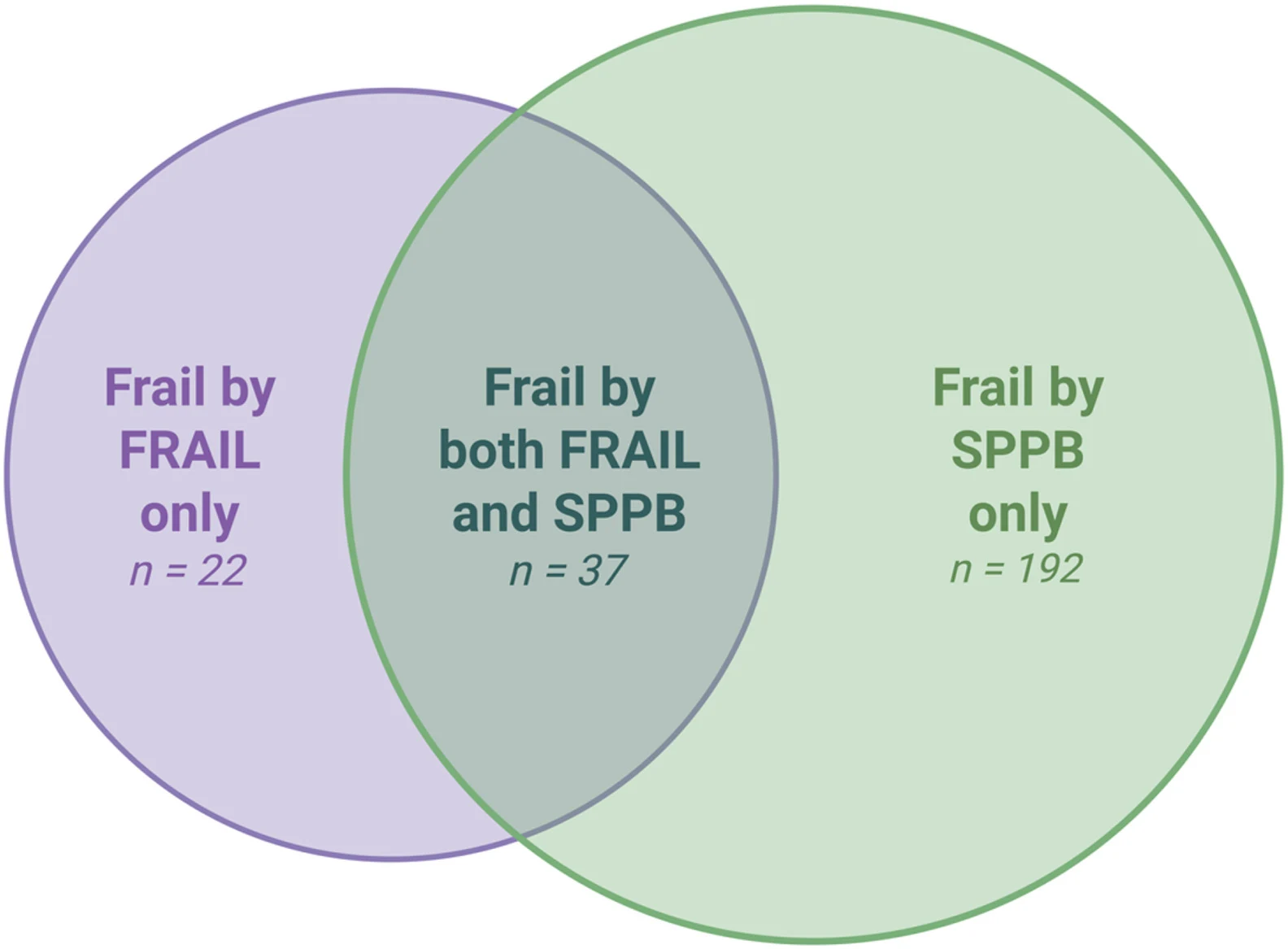
A symptom-focused scale classified 6.2% of candidates as frail, compared with 24% using a physical performance test.
Limit: The study did not measure benefits from combining tools or providing pretransplant rehabilitation
Edited by Boris Djordjevic · AgingResearch.News
In 953 kidney transplant candidates listed between 2018 and 2022, researchers retrospectively compared two frailty assessments. One scale covered symptoms, illnesses and weight loss; the other tested physical performance. During follow-up, 9.5% of candidates died while waiting for a transplant. Both assessments were independently associated with death on the waitlist.
Frailty identified by the physical performance test had stronger associations with longer hospital stays and readmissions within 30 days and one year after transplantation. In a subset with computed tomography scans, frailty identified by this test—but not the symptom-focused scale—was associated with lower muscle density and more fat around internal organs. The authors concluded that the tools captured distinct aspects of frailty. The symptom-focused scale better reflected symptom burden and risk of death on the waitlist.
Why it matters
Frailty assessment addresses vulnerability to poor health outcomes as people age. The authors supported using both tools to assess transplant risks and identify candidates who may benefit from targeted rehabilitation before transplantation.
Caveats
This retrospective observational study did not test whether using both tools or providing rehabilitation before transplantation improved outcomes. The findings concern kidney transplant candidates, not frailty screening in the general population.
The paper
Harvard University
American Journal of Transplantation, Aug 25, 2026, Open access


