Falls and polypharmacy-an exploration of both the frequency and approaches to prevention
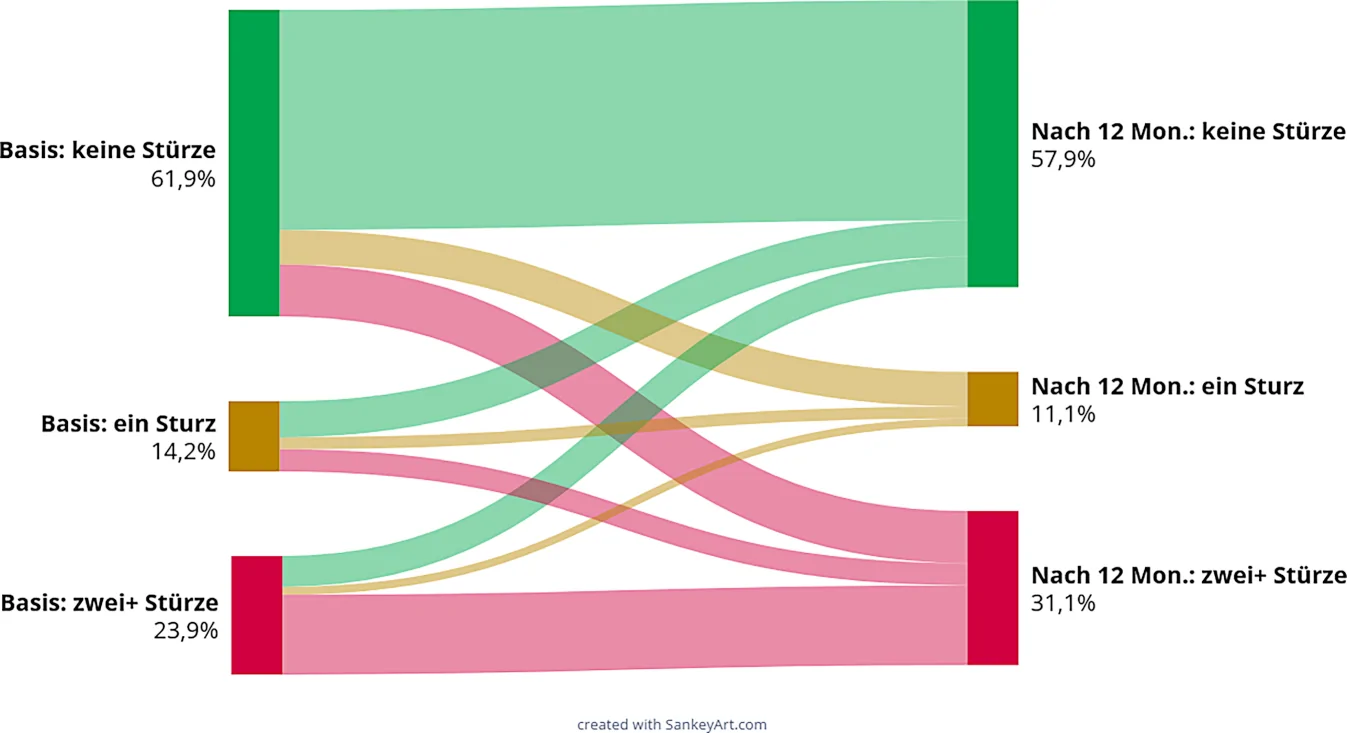
12 months
Abstract
INTRODUCTION: In light of demographic changes, preventing falls among very old people is becoming increasingly important. This article examines the incidence of falls among people aged 80 years and over in Germany, focusing particularly on the impact of medication use. METHODS: The analysis is based on data from the Gesundheit 65+ longitudinal epidemiological study of the health of people aged 65 and over in Germany. The analysis examined the prevalence of falls over a 12-month period among people aged 80 and over, as well as risk factors such as previous falls, polypharmacy (the long-term use of five or more medications), the use of fall-risk-increasing drugs (FRIDs), physical and cognitive limitations, and sociodemographic factors. RESULTS: The study population comprised 1742 individuals aged 80 and over. Data from 742 participants were available for the medication analysis. At baseline, 38.1% of participants reported at least one fall prior to the start of the study. Within the 12-month period following the baseline survey, 46.7% of participants experienced a fall. The prevalence of polypharmacy was 48.7%, and 59.2% of participants were taking at least one FRID. In the adjusted regression model, urinary incontinence, visual impairment, and depressive symptoms were associated with an elevated probability of falling. Polypharmacy and FRIDs were also associated with falls, but this association was not statistically significant after adjustment. DISCUSSION: The high prevalence of falls among people aged 80 and over highlights the need for more effective fall prevention measures in Germany. Key areas for preventive measures include mobility limitations, previous falls, urinary incontinence, visual impairment, depressive symptoms, polypharmacy, and FRIDs.
The paper
Robert Koch Institute; Institut für Medizinische Informationsverarbeitung, Biometrie und Epidemiologie
Bundesgesundheitsblatt, Gesundheitsforschung, Gesundheitsschutz, 14 Aug 2026