Exercise attenuates neuropathic pain and neuroinflammation in an obese rat model exhibiting diabetes-related metabolic dysfunction and features of type 2 diabetes
Abstract
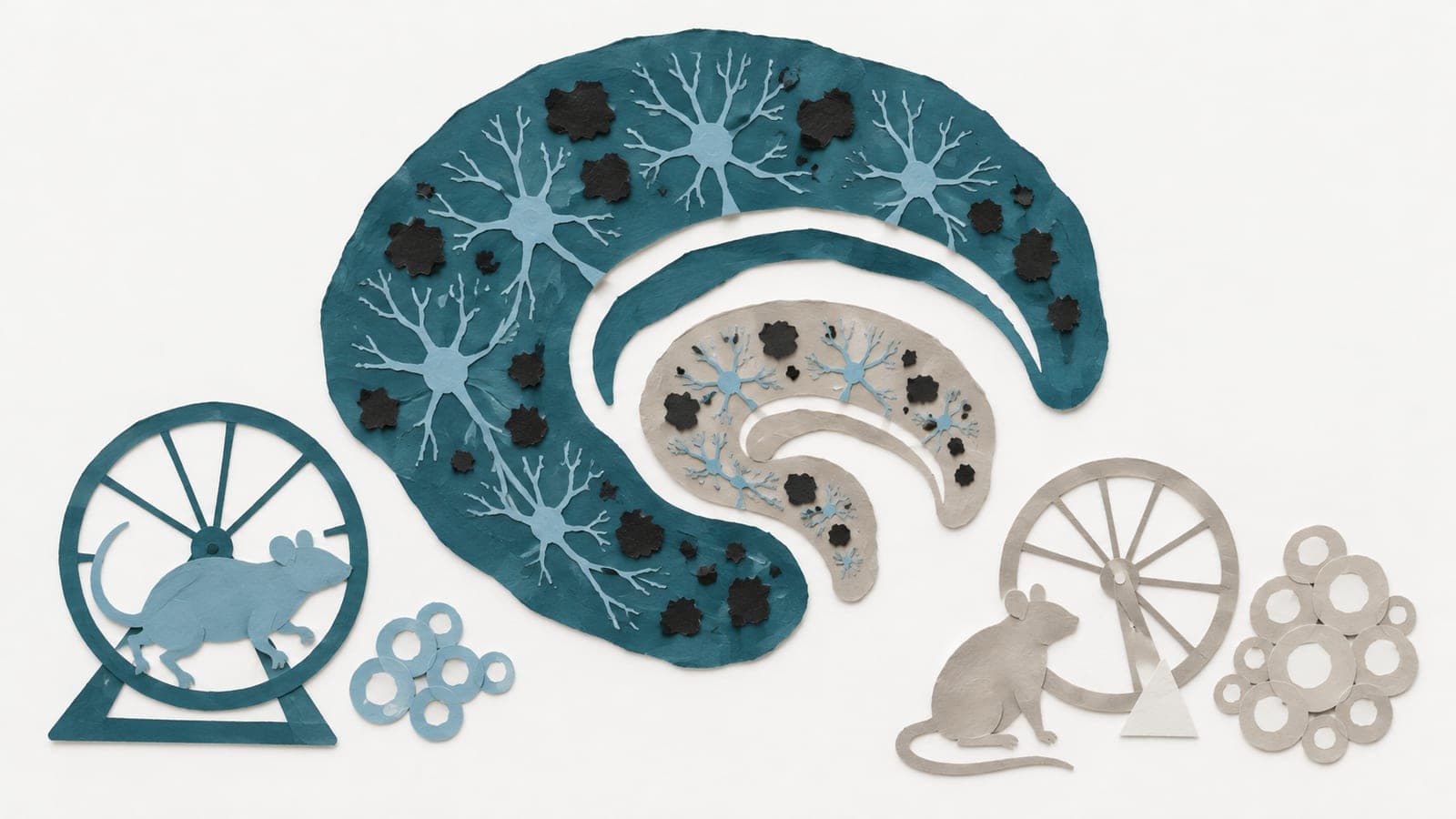
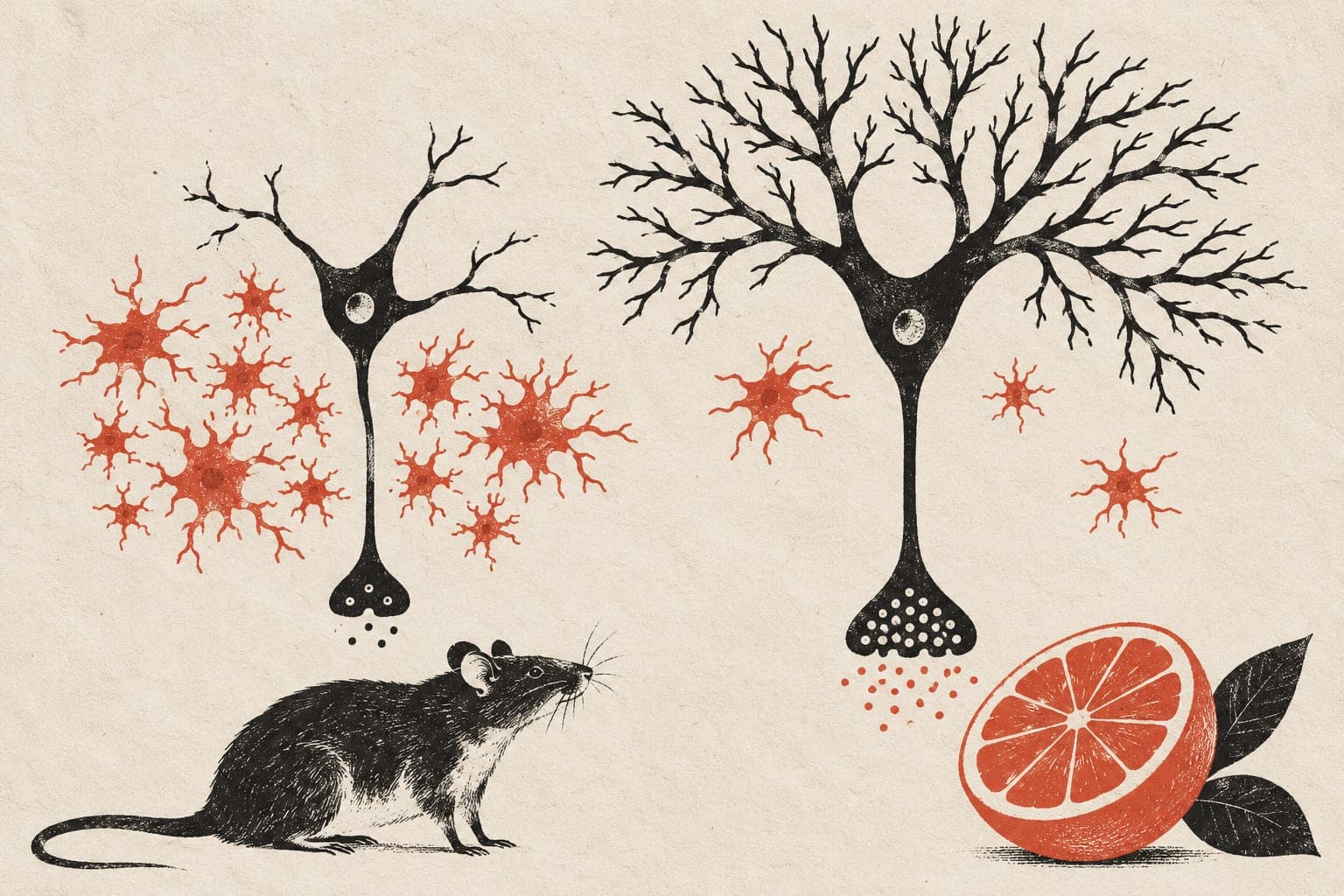
This study aimed to investigate the effects and mechanisms of exercise intervention on neuropathic pain in an obese rat model exhibiting diabetes-related metabolic dysfunction. Chronic constriction injury (CCI) was induced in Otsuka Long-Evans Tokushima Fatty (OLETF) rats, and the animals were randomly assigned to three groups: exercise (Ex), no-exercise (No-Ex), and normal controls. The 50% pain response threshold was significantly higher in the Ex group than in the No-Ex group 5 weeks post-CCI (p < 0.05). Monocyte chemoattractant protein-1(MCP-1), C-C chemokine receptor 2 (CCR2), P2X purinoceptor 4 (P2X4R), and tumor necrosis factor receptor-associated factor 6(TRAF6) which are related to microglia in the dorsal horn of the spinal cord, were significantly decreased in the Ex group compared to the No-Ex group (p < 0.05). In the hippocampal dentate gyrus, tumor necrosis factor-α(TNF-α) and interleukin 6(IL-6) were significantly decreased in the Ex group compared with the No-Ex group (p < 0.05). However, no significant differences were observed in doublecortin expression, the Y-maze, or the alternation rate in the passive avoidance test (p > 0.05). In neuropathic pain in diabetes, targets of interest include not only P2X4R but also CCR2 and TRAF6. Furthermore, the synergistic effects of chronic pain and neuroinflammation, such as neuropathic pain with a diabetic background, may accelerate the progression of dysfunction in memory-related regions and require continued validation.
The paper
Kagoshima University
IBRO Neuroscience Reports, 26 Jul 2026, Open access