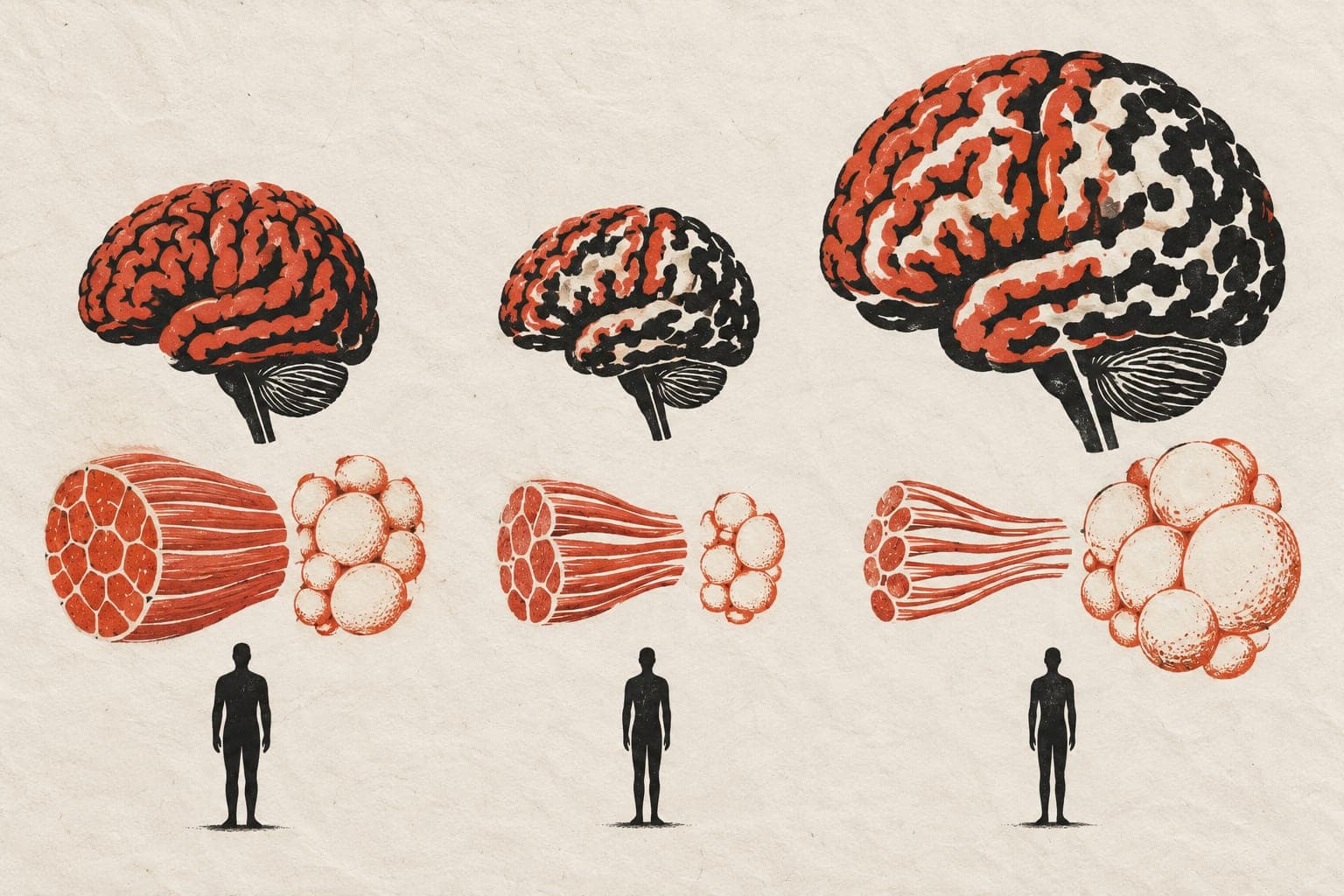
Synergistic chemosensory decline as a multidimensional biomarker of neurodegeneration: A scoping review of the olfactory-gustatory axis in aging
Abstract
BACKGROUND: Olfactory impairment is a well-established prodromal marker of neurodegeneration. However, the synergistic role of combined olfactory and gustatory dysfunction remains under-investigated in geriatric clinical practice. This scoping review aims to synthesize current evidence on the relationship between dual chemosensory decline and cognitive deterioration in aging. METHODS: Following PRISMA-ScR guidelines, we conducted a comprehensive search across PubMed, Scopus, Web of Science, and Cochrane databases for studies published between 2015 and 2025. Inclusion criteria focused on clinical research evaluating both smell and taste functions in the context of cognitive impairment and neurodegenerative diseases. RESULTS: Our analysis of the identified literature suggests that combined chemosensory deficits are significantly correlated with cognitive decline. Our findings indicate that the concurrent loss of olfactory and gustatory sensitivity could serve as potential biomarker of cortical and subcortical neurodegenerative progression, reflecting a breakdown in central multisensory integration centres critical for geriatric cognitive homeostasis. CONCLUSION: Dual assessment of olfaction and gustation may represent a promising candidate biomarker of neurodegenerative progression compared to isolated olfactory testing. We propose the integration of standardized chemosensory protocols into routine geriatric assessments as a pragmatic strategy for early cognitive risk stratification and follow-up. This approach holds significant translational potential for monitoring neurodegenerative trajectories in older adults.
- Neurodegenerative disease
- Cognitive impairment
- Chemosensory function
- Gustatory function
- Olfactory function
- Humans
The paper
Universidad Pública de Navarra (UPNA)
Experimental Gerontology, 4 Aug 2026