Predicting biological age using an accumulated neurotoxicity biomarker for amyloid beta oligomers
Abstract
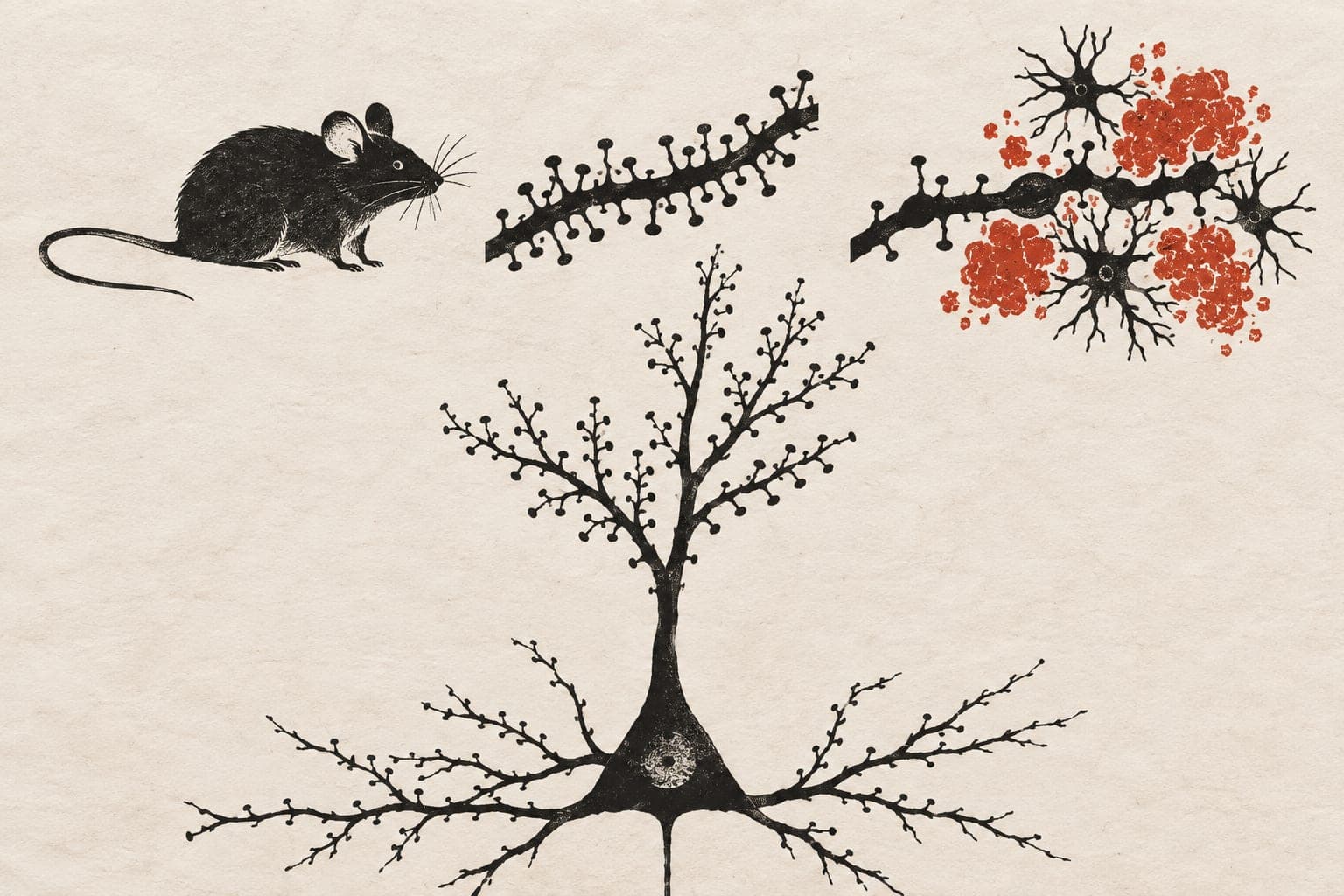
This study proposes using accumulated neurotoxicity, defined as the time integral of Aβ oligomer concentration, as a biomarker for neuronal aging. A relationship between biological age and accumulated neurotoxicity is proposed. Numerical analysis guided the development of a new analytical solution linking the biological and calendar ages of neurons. The effects of Aβ monomer and oligomer half-lives, key indicators of proteolytic efficiency, on biological age are examined. Both constant and age-dependent (exponentially increasing) half-life scenarios are considered. The findings indicate that increasing the half-life of Aβ monomers and oligomers with age accelerates biological aging. Reducing Aβ monomer production is shown to slow biological aging, with a linear relationship established between these two quantities. Additionally, biological age is found to depend linearly on the half-deposition time of Aβ oligomers into senile plaques. The model demonstrates that biological age is irreversible, providing a theoretical explanation for why plaque-clearing therapies cannot reverse established cognitive impairment. The model also demonstrates that biological age is path dependent rather than state dependent.
The paper
North Carolina State University
Mathematical Medicine and Biology, 17 Jul 2026, Open access