Immune cells show age-linked differences in Japanese adults
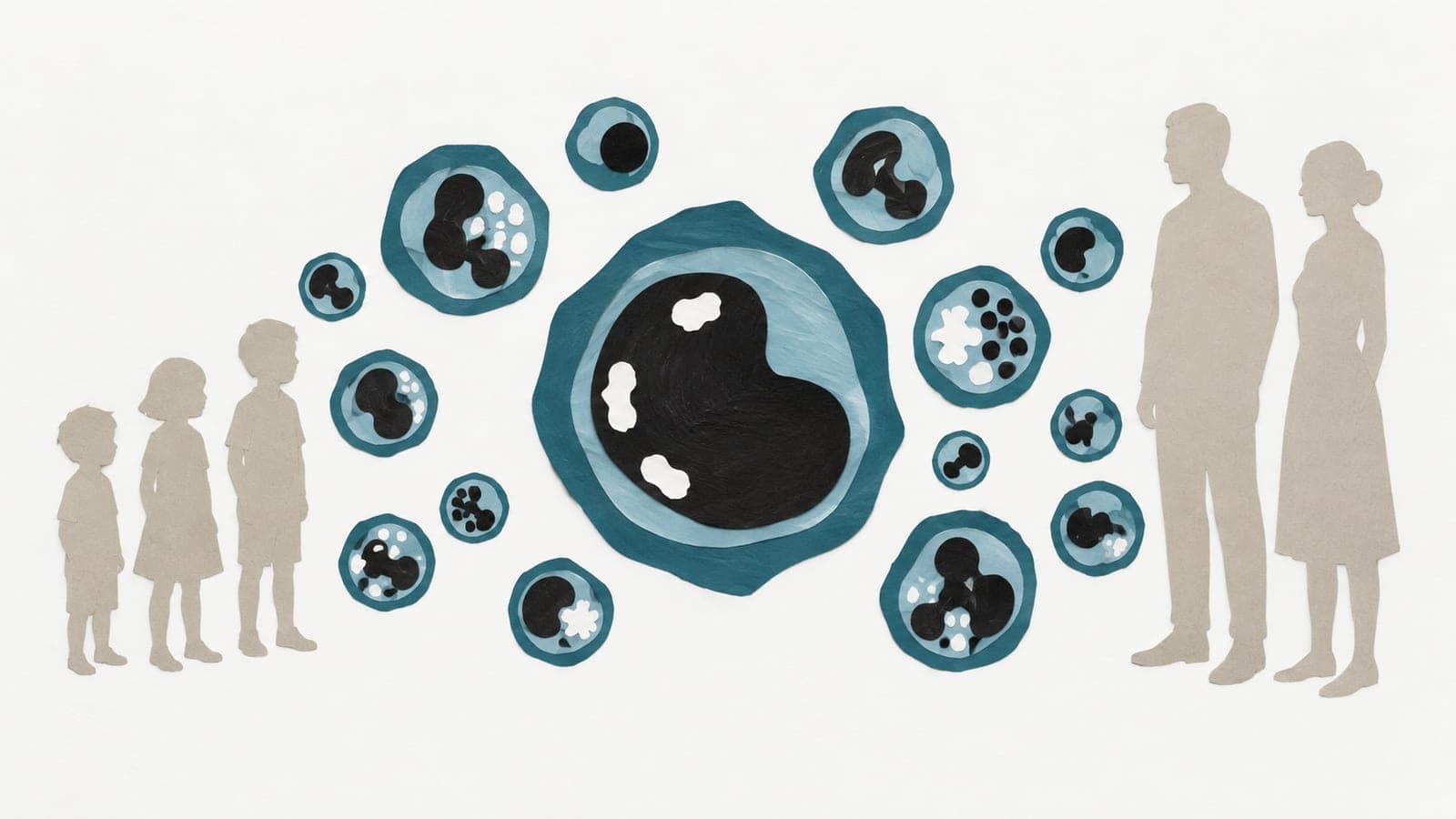
An observational study of 105 Japanese adults aged 20–89 linked age to differences in immune cell proportions and molecular features measured cell by cell.
Our read
AI & data- Studied:
- Cross-sectional study of 69 Japanese adults, against younger adults
- What changed:
- The proportion of CD8⁺ naïve T cells was lower in older Japanese adults than younger adults
- The catch:
- Inflammation differences among donors could account for age-linked changes in monocytes
Editor of record: Boris Djordjevic · AgingResearch.News
Blood immune cells from 105 Japanese adults aged 20–89 were examined individually in an observational study. Donors lived in a suburban Japanese city; 38 provided repeat samples over a one-year interval. The researchers measured gene activity and how accessible DNA was to the cell’s machinery.
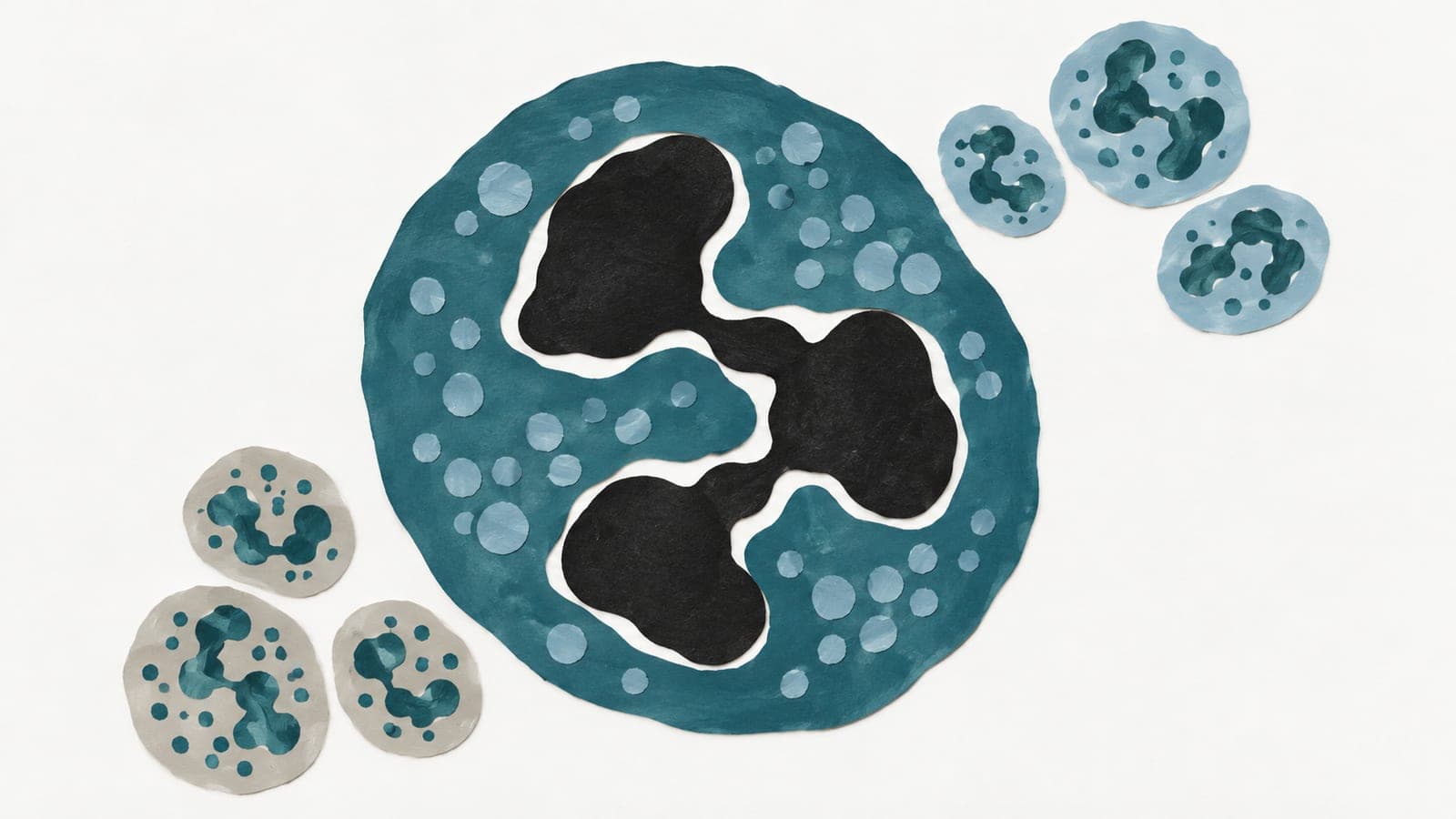
Age-linked differences in cell proportions were strongest in naïve T cells, which have not yet encountered their targets; memory B cells, which retain immune memories; and a subset of natural killer cells. Monocytes, another immune cell type, showed prominent changes in DNA accessibility. Across ages, these changes often appeared before shifts in gene activity, particularly for genes involved in immune responses.
Why it matters
The molecular basis of immune aging remains poorly understood. This catalogue offers a resource for investigating it in a Japanese population underrepresented in single-cell research.
Caveats
The age patterns compared donors of different ages rather than following individual cells through aging. Donors came from one suburban Japanese city, limiting how broadly the findings may apply.
From the paper
- Participants
The cohort included the following three sub-cohorts: Cohort 1 (older generation original cohort) included 51 older donors aged 50–89 years.
- Limitation
First, the current dataset included only ~100 individuals, and each sample had a limited volume, e.g., only ~10,000 cells for single-cell RNA/ATAC-seq, which provided insufficient statistical power to generalize the results.
Quoted word for word from the full text on PubMed Central.
- Resources: datasets, atlases and tools
- Single-cell omics
- Epigenetic regulation of gene expression
- Immune response
- Humans
The paper
Single-cell catalogue of immune cells from Japanese individuals
Karolinska Institutet; The University of Tokyo
Communications Biology, Jun 23, 2026, Open access
Comments
Be the first to comment.