Acute exercise reduces intranasal insulin-mediated elevations in blood pressure in aging adults with cardiometabolic risk
Abstract
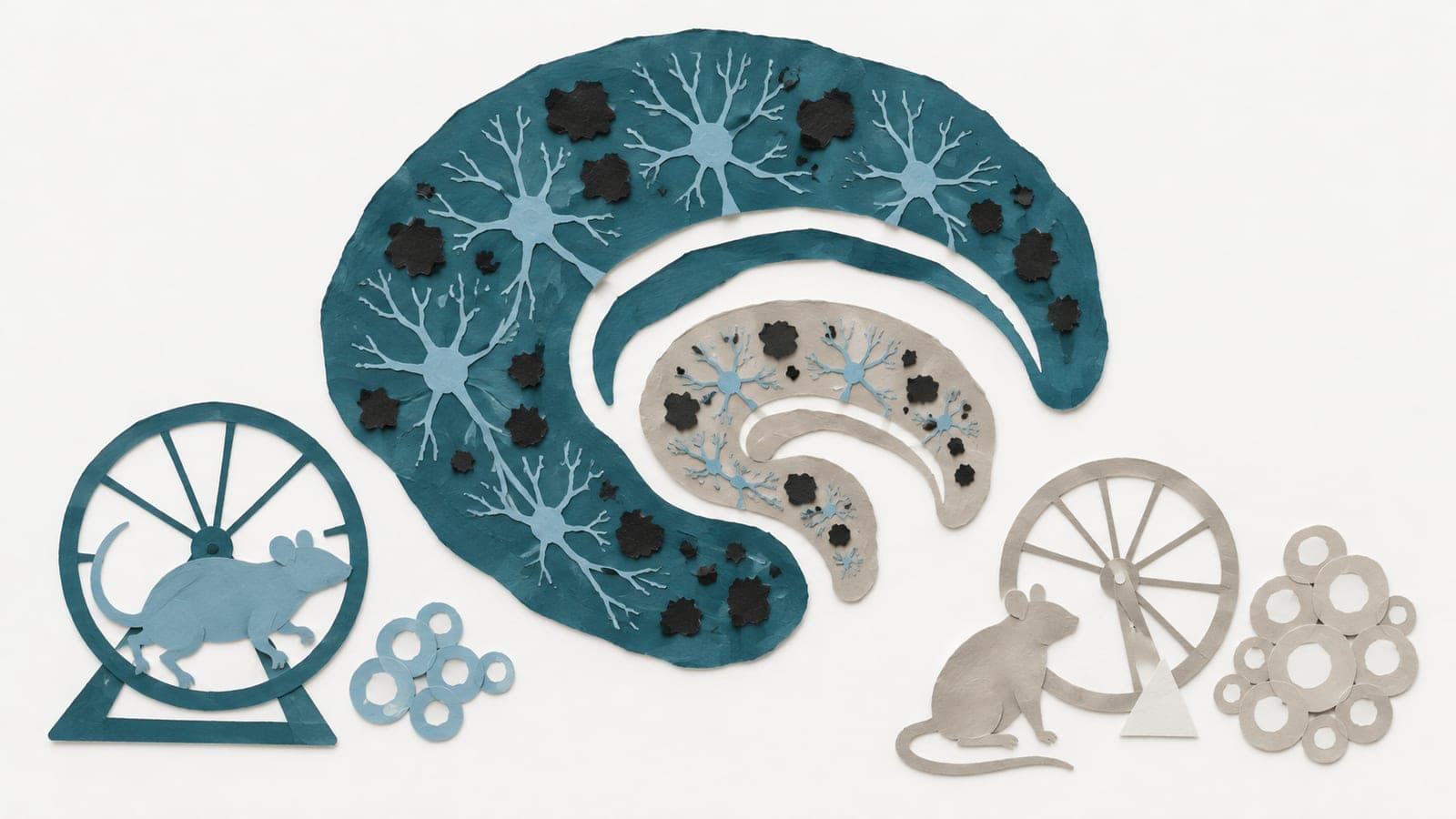
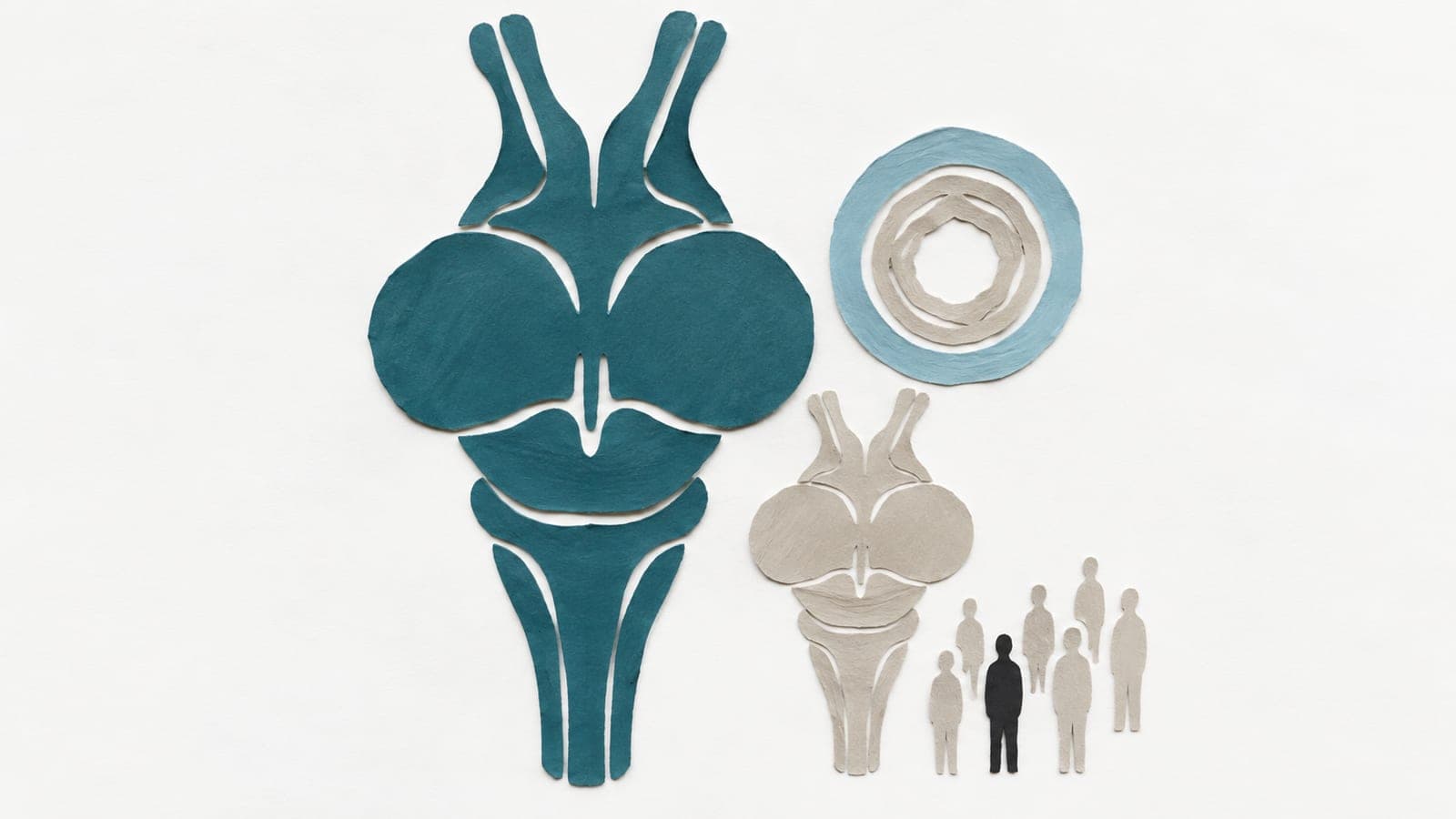
Insulin contributes to blood pressure (BP) regulation through, in part, effects on the brain. Whether exercise impacts brain insulin action in parallel with alterations in BP is unclear. The purpose of this study is to examine whether an acute exercise lowers BP after intranasal insulin (INI) and increases cerebral blood flow (CBF) in aging adults with cardiometabolic risk. In a counterbalanced design, 15 cognitively unimpaired (MoCA: 28.2 ± 1.3 au) adults [56.7 ± 2.1 yr; (maximal oxygen consumption) V̇o2max: 23.9 ± 0.9 mL/kg/min] with obesity (BMI 31.8 ± 1.3 kg·m⁻²) were randomized to a rest or acute treadmill exercise bout (70% V̇o2max for 60 min) in the evening. The next morning, participants arrived fasted, and BP, heart rate, glucose, and insulin were assessed. Brainstem and hypothalamus CBF were then tested via pseudo-continuous arterial spin labeling (pCASL) MRI. INI (40 IU) was administered, and 30 as well as 90 min later, BP, heart rate, glucose, and insulin were measured. Then, a 75-g oral glucose tolerance test (OGTT) was provided, and outcomes were obtained every 30 min up to 120 min. Exercise had no effect on glucose following INI, although insulin was reduced during the OGTT (P < 0.05). Exercise blunted the rise in systolic BP after INI and during the entire protocol (both P < 0.05), independent of heart rate. Exercise raised CBF in the brainstem (P < 0.05) but not in the hypothalamus. However, the increase in fasting hypothalamus CBF correlated with reductions in INI-mediated systolic BP (r = -0.51, P = 0.05). In adults with cardiometabolic risk, an acute exercise bout blunted systolic BP rises after INI in parallel with increased fasting brainstem and hypothalamic CBF.NEW & NOTEWORTHY Insulin contributes to blood pressure regulation through, in part, effects on the brain. Here, an acute exercise bout blunted the rise in systolic blood pressure in response to intranasal insulin, independent of heart rate. Moreover, exercise increased brainstem cerebral blood flow (CBF) and increased hypothalamus CBF related to reduced systolic blood pressure after intranasal insulin. These findings suggest that exercise may impact brain insulin action as it relates to blood pressure in a clinically relevant population.
The paper
Rutgers, The State University of New Jersey
American Journal of Physiology Regulatory, Integrative and Comparative Physiology, 15 Jun 2026, Open access