Delayed childbearing and its impact
Abstract
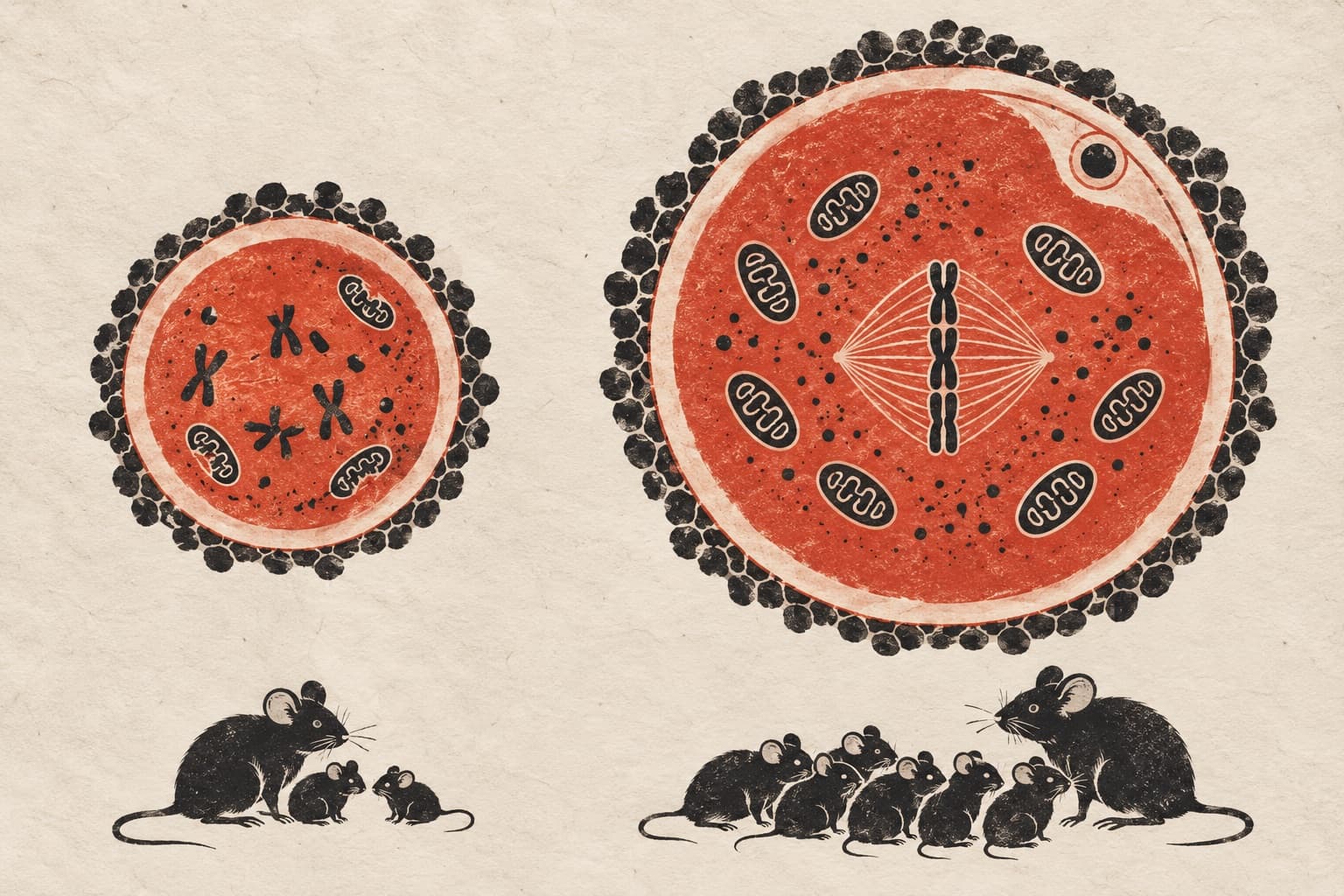
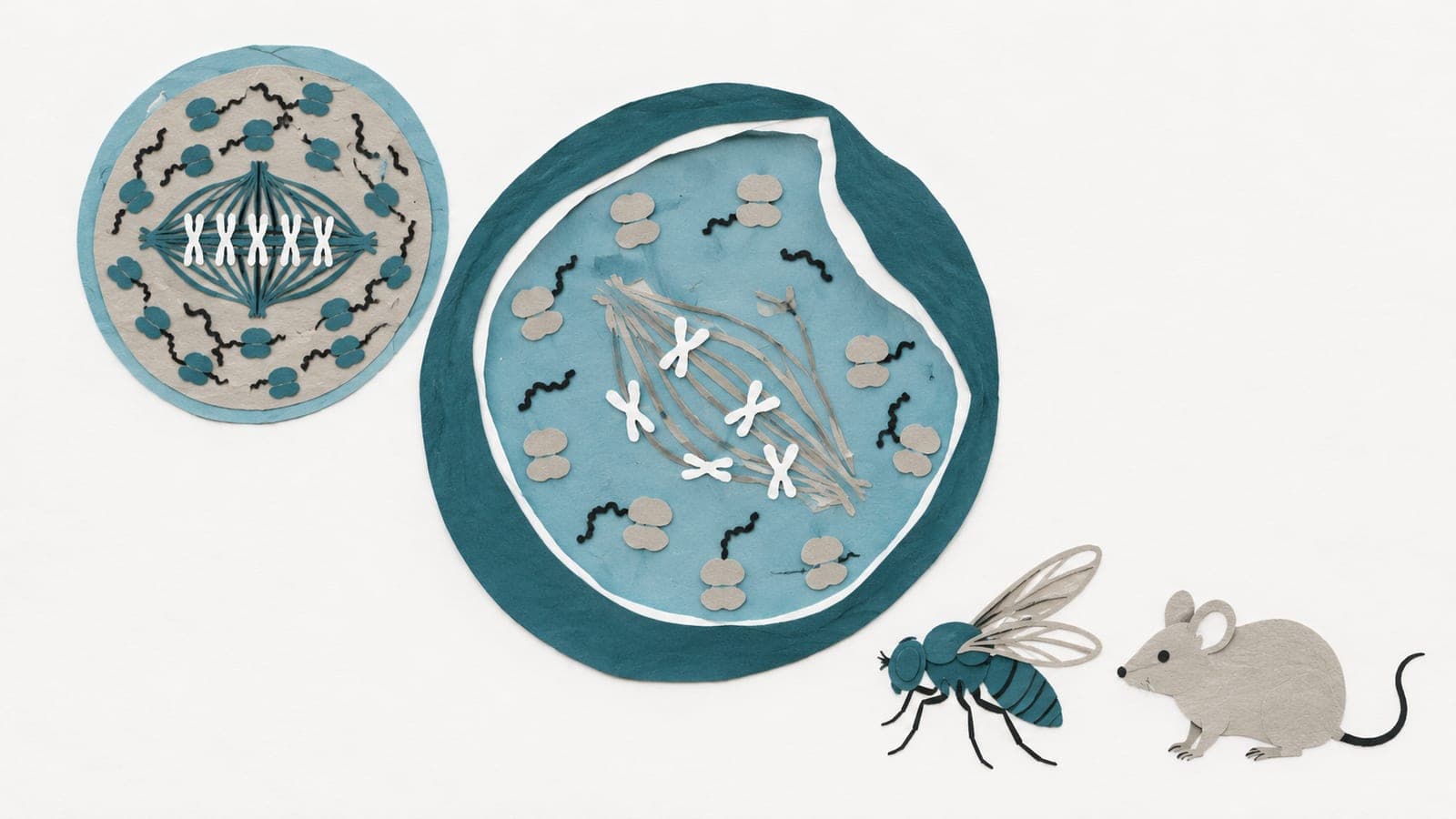
Delayed childbearing is a global social and demographic trend with significant social, familial and individual consequences. Among the individual impacts, reproductive ageing plays a central biological role, leading to a decline in ovarian reserve and deterioration of oocyte quality. Key mechanisms underlying oocyte ageing include mitochondrial dysfunction and increased oxidative stress. These metabolic changes are associated with alterations in cell division mechanisms that lead to embryonic aneuploidy, the most important cause of reduced fecundity in natural cycles, lower implantation rates in IVF treatments and higher miscarriage rates. In addition to oocyte-related changes, endometrial function may also be affected, although this becomes clinically relevant later and is less evident compared with oocyte ageing, as observed in assisted reproductive techniques such as oocyte donation. Strategies from assisted reproductive technology include preimplantation genetic testing for aneuploidies for embryo selection, embryo and oocyte accumulation, and social oocyte preservation at younger ages. Furthermore, advanced maternal age is associated with altered pregnancy outcomes, including increased risks of maternal, fetal and neonatal complications, particularly in the presence of pre-existing comorbidities.
The paper
IVIRMA Global
Reproductive Biomedicine Online, 28 May 2026, Open access