Weight variability linked to higher death risk in older adults
Comparing the quarters with the most and least variable weight gave a death hazard ratio of 1.62, a relative risk measure adjusted for other factors.
Our read
Populations- Studied:
- Cohort study of 616,696 Korean adults aged ≥ 75 years, against adults with lowest weight variability (Dose-response)
- What changed:
- Death risk was 62% higher among adults with the highest weight variability than those with the lowest
- The catch:
- Underlying illness could cause both weight fluctuations and higher death risk
- In the record:
- One of 4 papers on body weight variability on record: 1 with results in people.
- Why it’s aging research:
- It measures an outcome that worsens with age.
Editor of record: Boris Djordjevic · AgingResearch.News
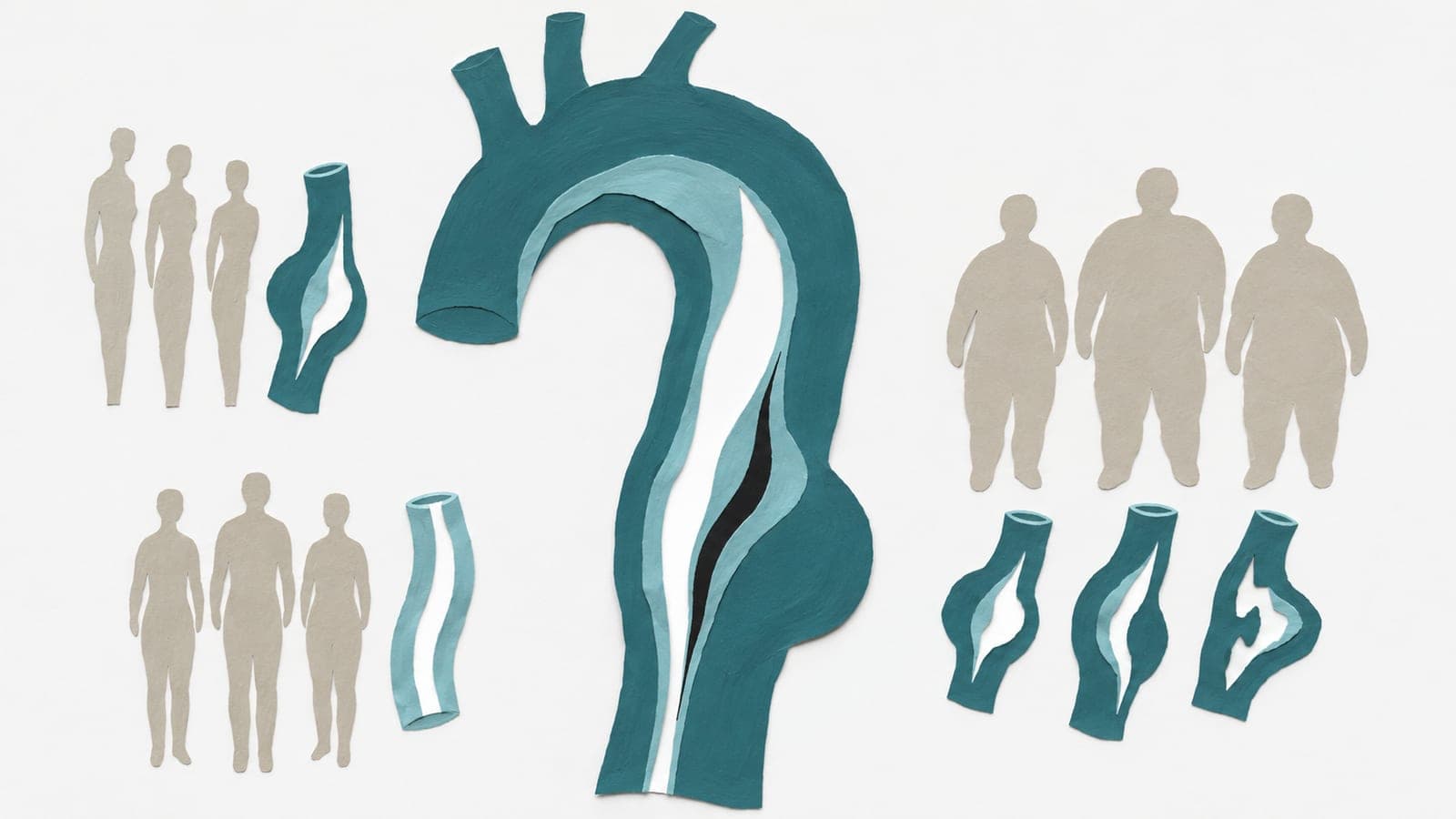
Among 616,696 adults aged 75 or older in South Korea, greater weight variability was linked to higher mortality in a nationwide observational cohort study. Participants enrolled between 2012 and 2015 and were followed through 2022, for a median of 7.5 years. Researchers assessed weight variability from at least four measurements taken at enrollment and during the preceding six years. Their measure accounted for differences in average weight.
During follow-up, 195,585 participants died. Mortality risk rose across the four groups as weight variability increased, after accounting for other factors. The association held across subgroups and whether participants lost weight, gained weight or maintained a stable overall weight.
Why it matters
For health assessments in later life, the authors suggest weight variability may serve as a marker of future risk alongside the direction of weight change.
Caveats
Underlying illness could have contributed to both weight variability and death, despite researchers excluding people who died within the first year. The findings cover adults aged 75 or older with repeated health checkups, not younger adults or people without that screening history.
From the paper
- Follow-up
There were 195,585 cases of all-cause mortality during the median follow-up period of 7.5 years in the entire cohort.
Results, All-cause and cause-specific mortality according to body weight variability
- Result
After adjusting for potential confounders (Model 3), all-cause mortality in Q4 was 62% higher compared with Q1 (adjusted HR [aHR], 1.62; 95% CI, 1.60–1.64).
Results, All-cause and cause-specific mortality according to body weight variability
- Limitation
First, the study population comprised exclusively Korean older adults, which may limit the generalizability of our findings to other ethnicities or age groups.
Quoted word for word from the full text on PubMed Central.
The paper
Body weight variability and mortality in older adults: a nationwide population-based cohort study
Seoul National University; Soongsil University
Scientific Reports, May 28, 2026, Open access
Comments
Be the first to comment.