Hormone exposure linked to brain structure in older women
An observational analysis of 459 women aged 65–80 linked lifetime hormone histories to the size and thickness of some brain regions.
Our read
Populations- Studied:
- Cross-sectional study of 459 physically inactive older women without cognitive impairment (Multicenter)
- What changed:
- Birth control users had greater gray matter volume in several brain regions than nonusers
- The catch:
- Hormone histories relied on retrospective recall, making them vulnerable to memory errors
- In the record:
- The 3rd paper on hormonal contraception with results in people; 17 on record in all.
- Why it’s aging research:
- It bears on staying healthy in midlife and later life.
Editor of record: Boris Djordjevic · AgingResearch.News
Researchers conducted a cross-sectional observational analysis of 459 women aged 65–80 who were physically inactive and had no cognitive impairment. They compared self-reported hormone histories with brain scans taken before an exercise trial began.
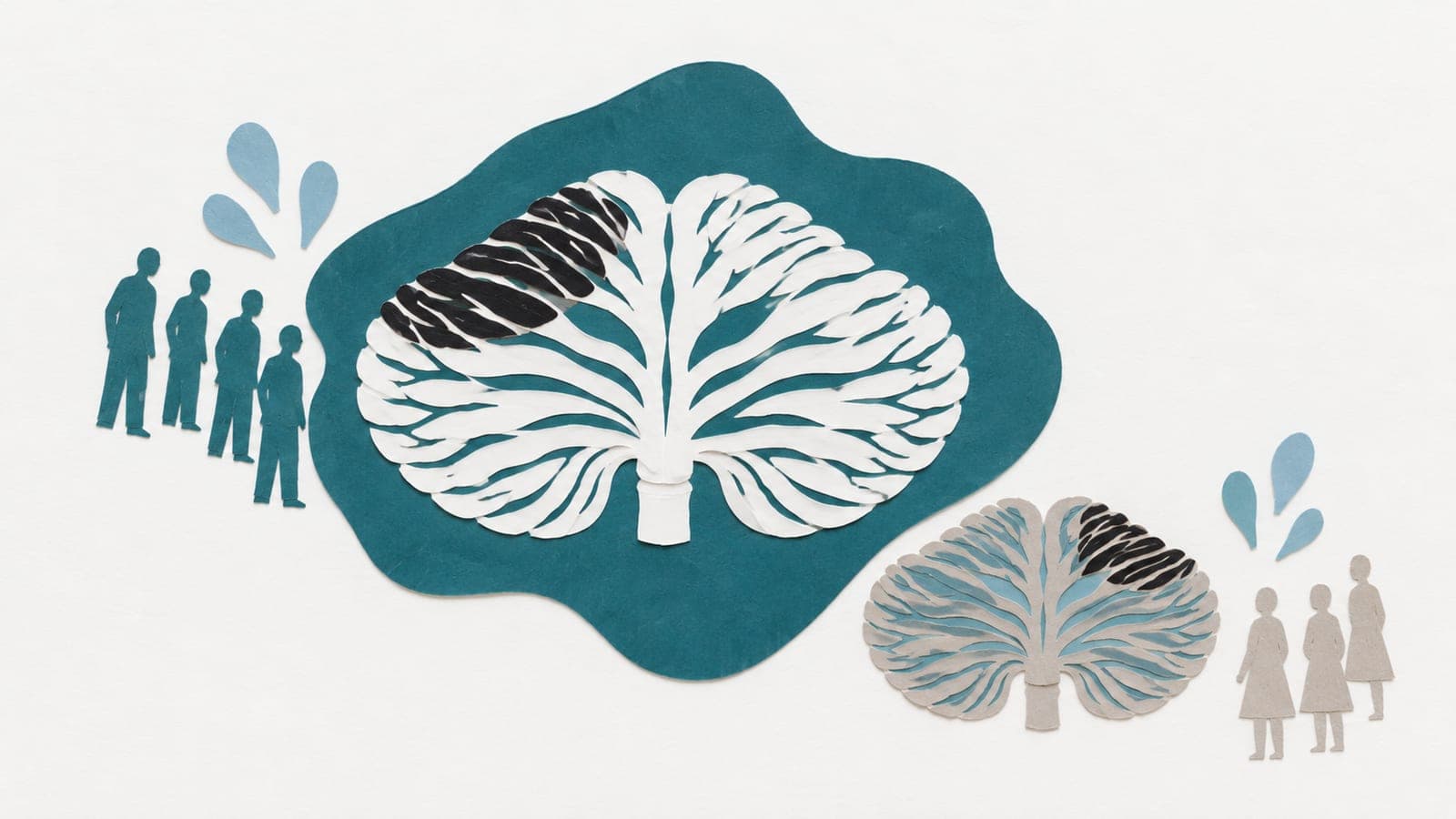
Birth control use was associated with greater volume of gray matter, tissue containing nerve-cell bodies, in several brain regions compared with no birth control use. Use of both birth control and menopausal hormone therapy was linked to greater volume in some regions and a thicker cortex, the brain’s outer layer, than using neither. Longer birth control use was linked to greater volume in one region. Later menopause was associated with a thicker cortex in regions toward the back of the brain. Birth control start age and menopausal hormone therapy timing showed no associations.
Why it matters
The authors suggest that understanding lifetime ovarian hormone exposure may inform research on brain aging and Alzheimer’s disease prevention.
Caveats
This cross-sectional analysis relied on recalled hormone use and could not establish cause and effect or track brain changes over time. The results may not apply to younger women or those with cognitive impairment.
The paper
Lifespan exposure to hormone therapies and structural brain morphometry in older women
University of Kansas; University of Pittsburgh
NeuroImage, May 2, 2026, Open access
Comments
Be the first to comment.