The Separate and Joint Associations of Own and Spousal Depression with Mortality in Couples: Does Spousal Depression Contribute to Mortality Hazard?
11 years
Abstract
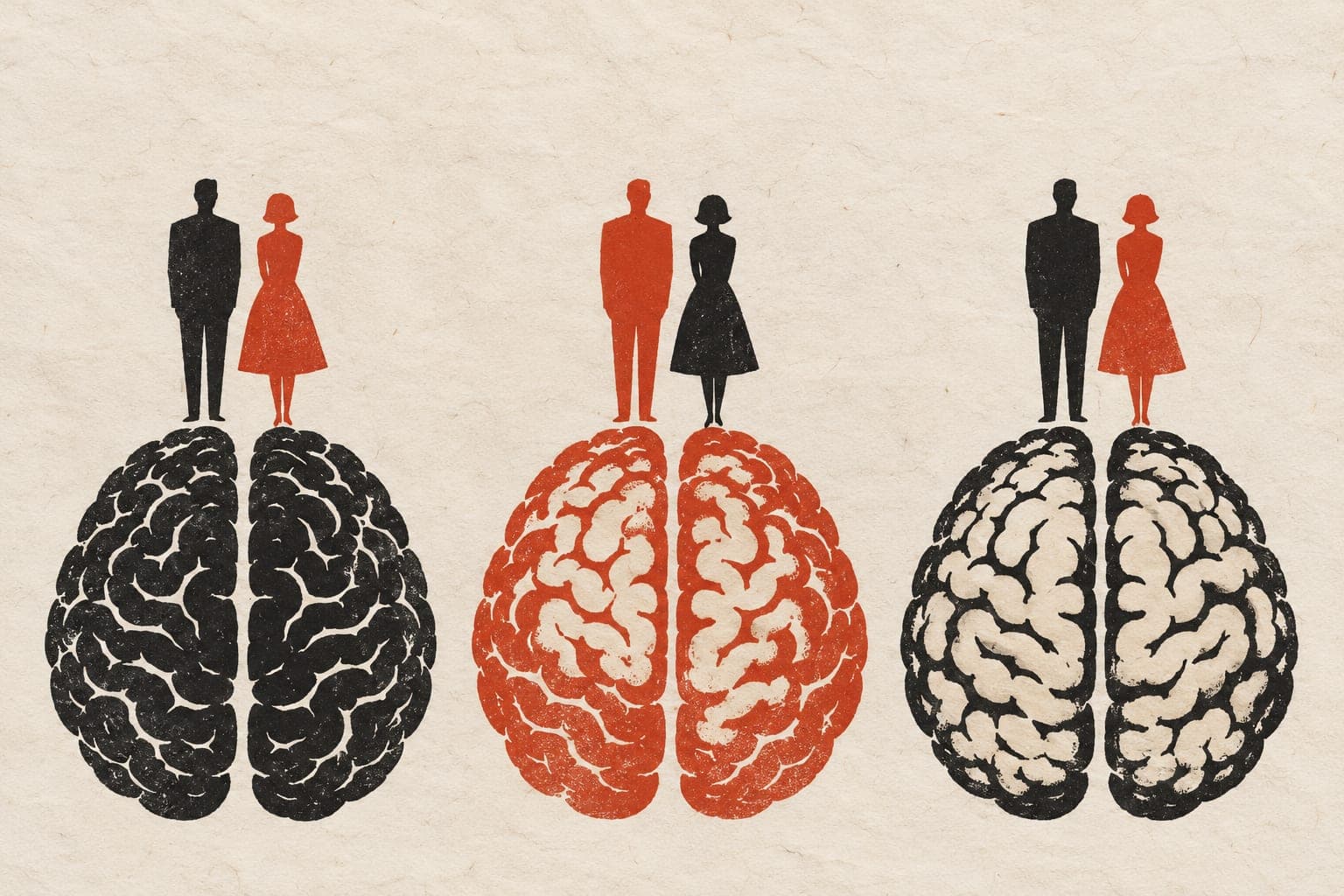
BACKGROUND: Depression causes a substantial burden on a person's health and well-being. However, evidence is limited regarding whether the depression of one person in a marital relationship may affect the other partner's health. We assessed whether depression in one partner within a married couple might contribute to the other partner's mortality hazard, also considering whether only one or both partners have depression. METHODS: We examined a nationally representative sample comprising 8442 older US adults within 4225 couples from the Health and Retirement Study. Using the Center for Epidemiologic Studies Depression Scale, we characterized depression status as follows: (1) no depression in either partner, (2) depression in the respondent only, (3) depression in the spouse only, and (4) depression in the respondent and their spouse. Associations between couples' depression status on individuals' mortality hazards over 11 years were estimated using Cox proportional hazards models adjusted for 27 characteristics of the individual, their spouse, and their household. RESULTS: We observed a higher mortality hazard when only the respondent had depression (hazard ratio [HR]: 1.44 [95% confidence interval (CI): 1.26, 1.66]), as well as a modestly elevated hazard when only their spouse exhibited depression (HR: 1.18 [95% CI: 1.01, 1.39]). When both partners had depression, we observed a jointly elevated mortality hazard (HR: 1.53 [95% CI: 1.26, 1.86]). CONCLUSIONS: Results suggest the harmful effects of depression could extend beyond the individual to spouses' physical health. Future studies on the health effects of depression should incorporate familial contexts.
The paper
Harvard University
Epidemiology, May 1, 2026, Open access, accepted manuscript