Brain Aging and the Pursuit of Longevity: Biological Mechanisms and Clinical Implications
Abstract
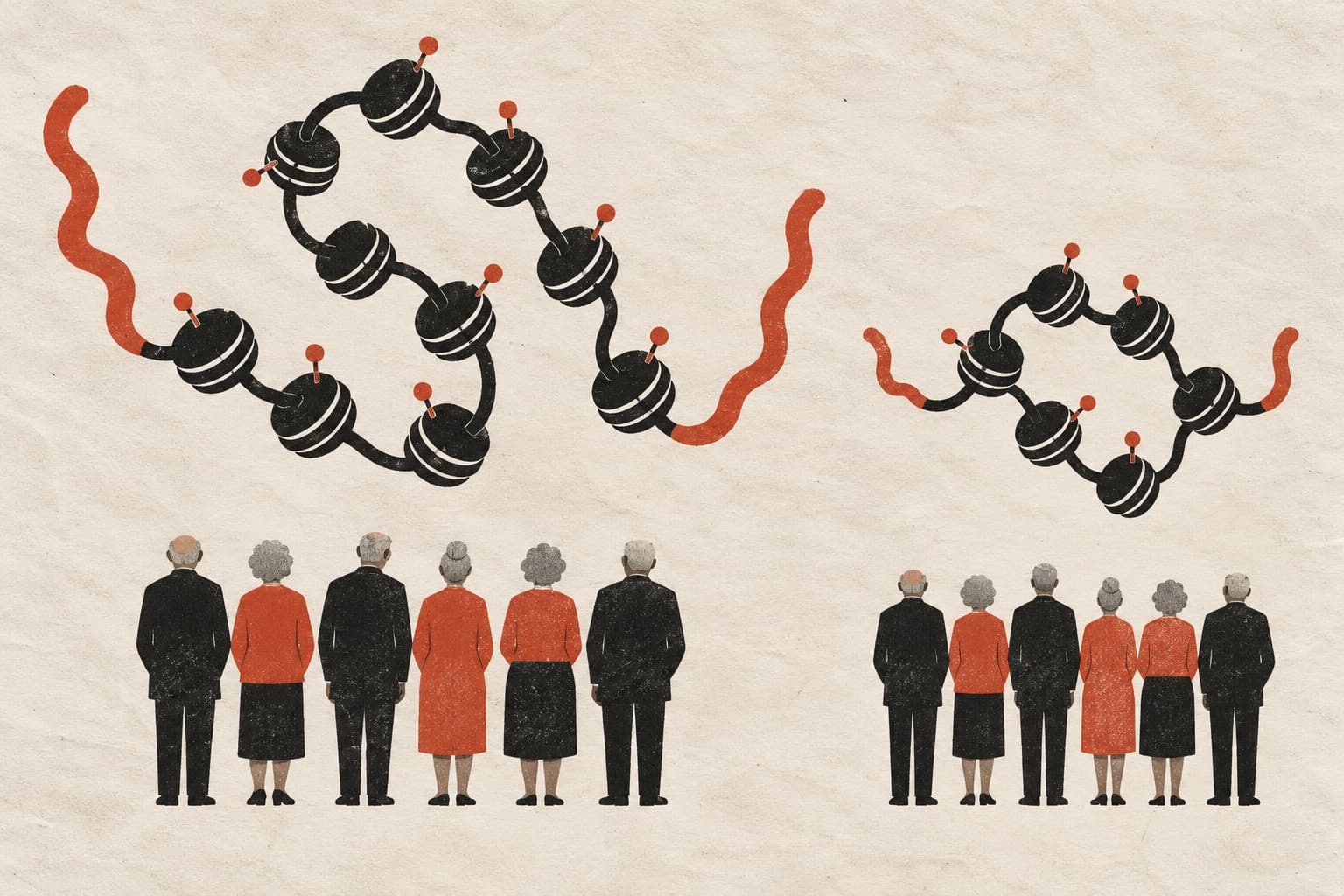
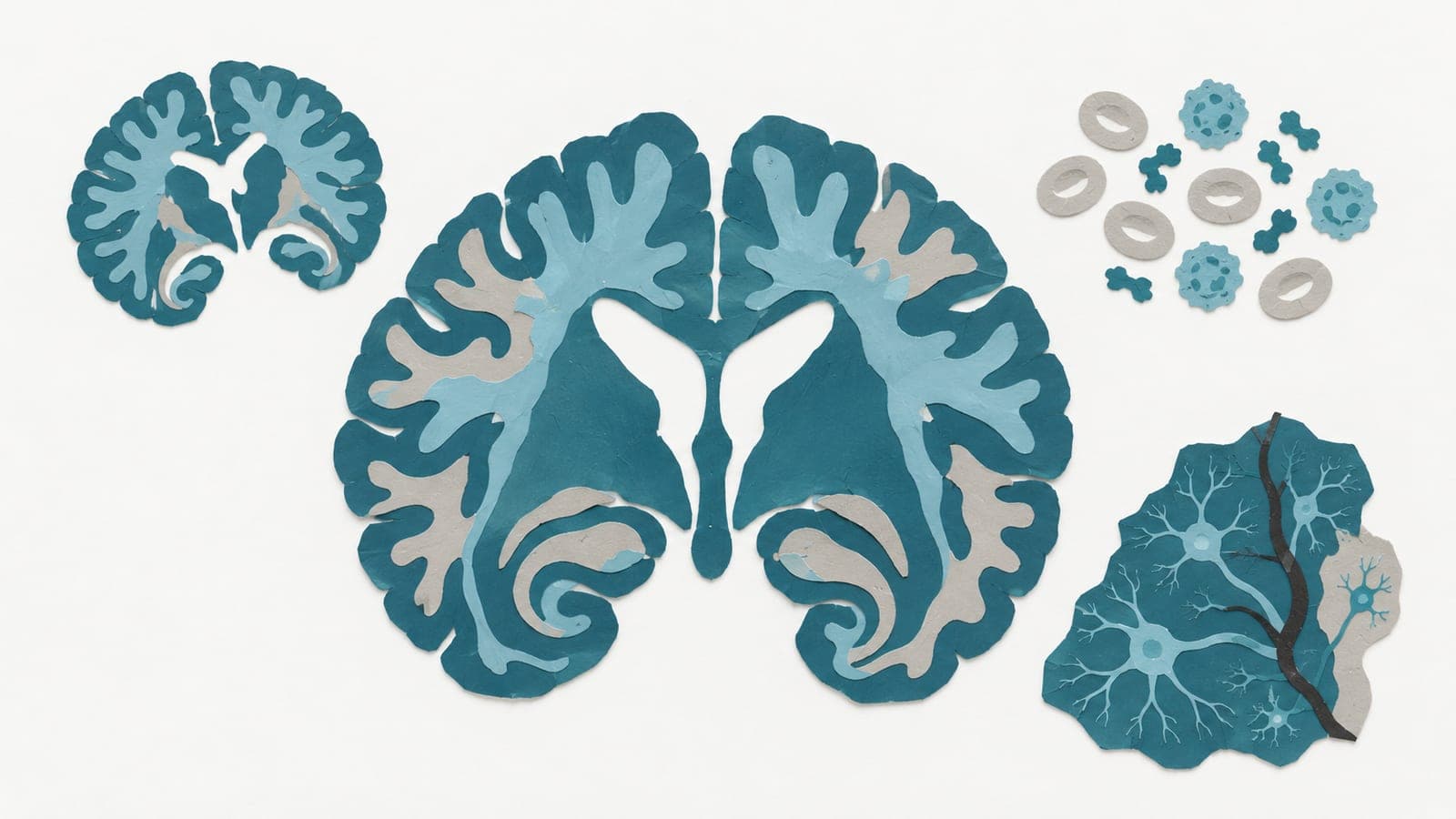
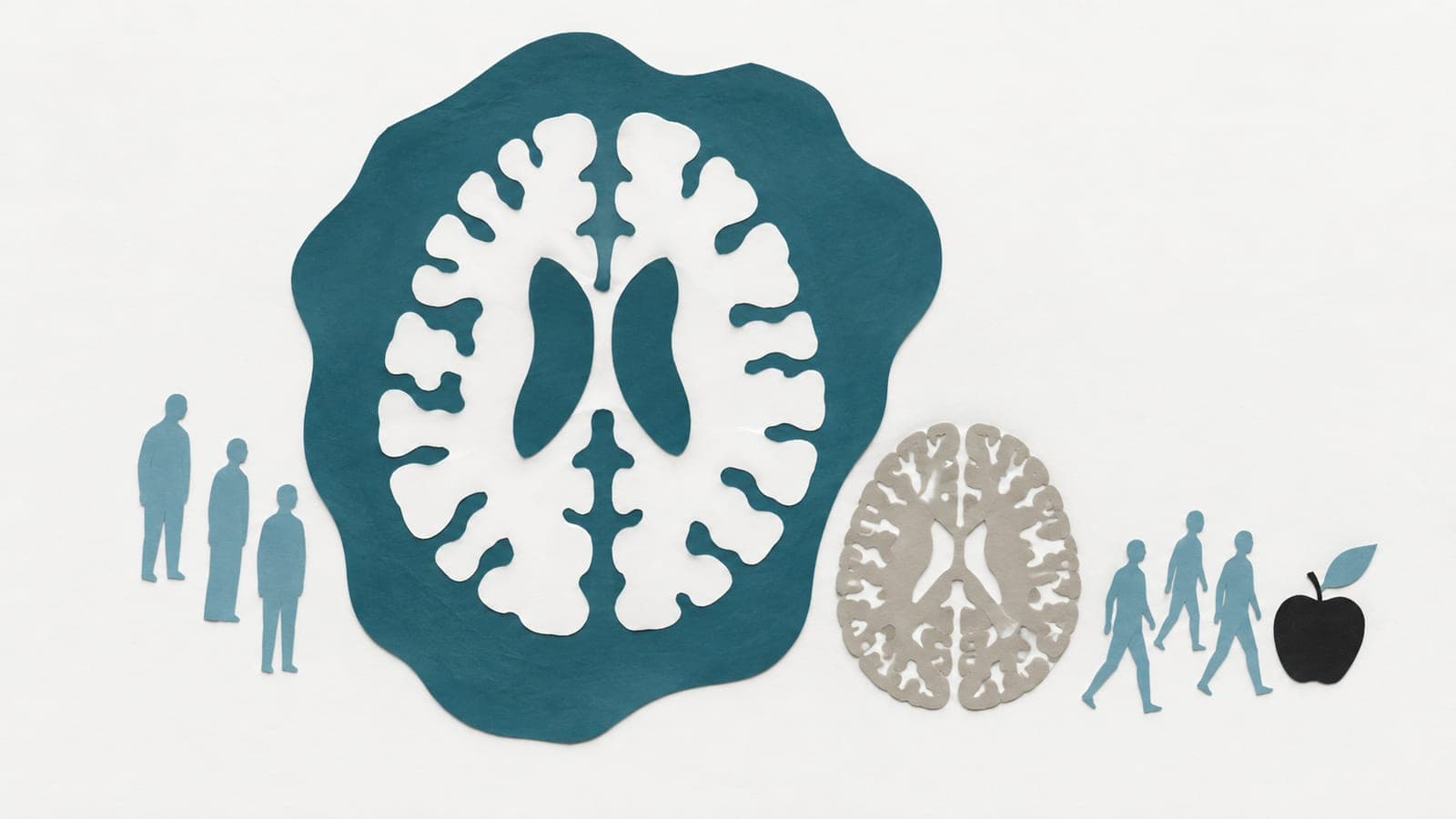
Brain aging is an inevitable but modifiable process in which cellular, molecular, and systemic alterations converge on the central nervous system to determine cognitive health span. Much of the existing literature examines the biological mechanisms of aging, the distinction between normal and pathological brain aging, and lifestyle or pharmacological interventions as separate domains, with few integrative analyses connecting these elements into a clinically relevant conceptual framework. This knowledge gap limits the effective translation of geroscience advances into practical, lifespan-oriented strategies for prevention and care. This review aims to: (1) distinguish systemic aging from cognitive frailty within a brain-oriented clinical framework; (2) summarize key molecular mechanisms of brain aging, including telomere shortening, genomic instability, epigenetic alterations, loss of proteostasis, and mitochondrial dysfunction; (3) contrast clinical features of normal brain aging with neurodegenerative disease; and (4) evaluate emerging therapeutic strategies, including senolytics, gene modulation, and nutrient-sensing pathway regulation, while critically appraising the translational readiness of each. Integrating proactive lifestyle measures with advances in geroscience may provide a cohesive framework for promoting not only longer life but also healthier brain aging, although most interventional evidence to date remains preclinical, and substantial translational gaps must be addressed before these strategies can be validated in clinical practice.
The paper
Hanyang University Guri Hospital
Aging and Disease, 1 Jan 2026, Open access