Age-Related Associations of Foveal Structural Parameters in Healthy Adults: A Comparative Analysis of Biological and Chronological Age
Abstract
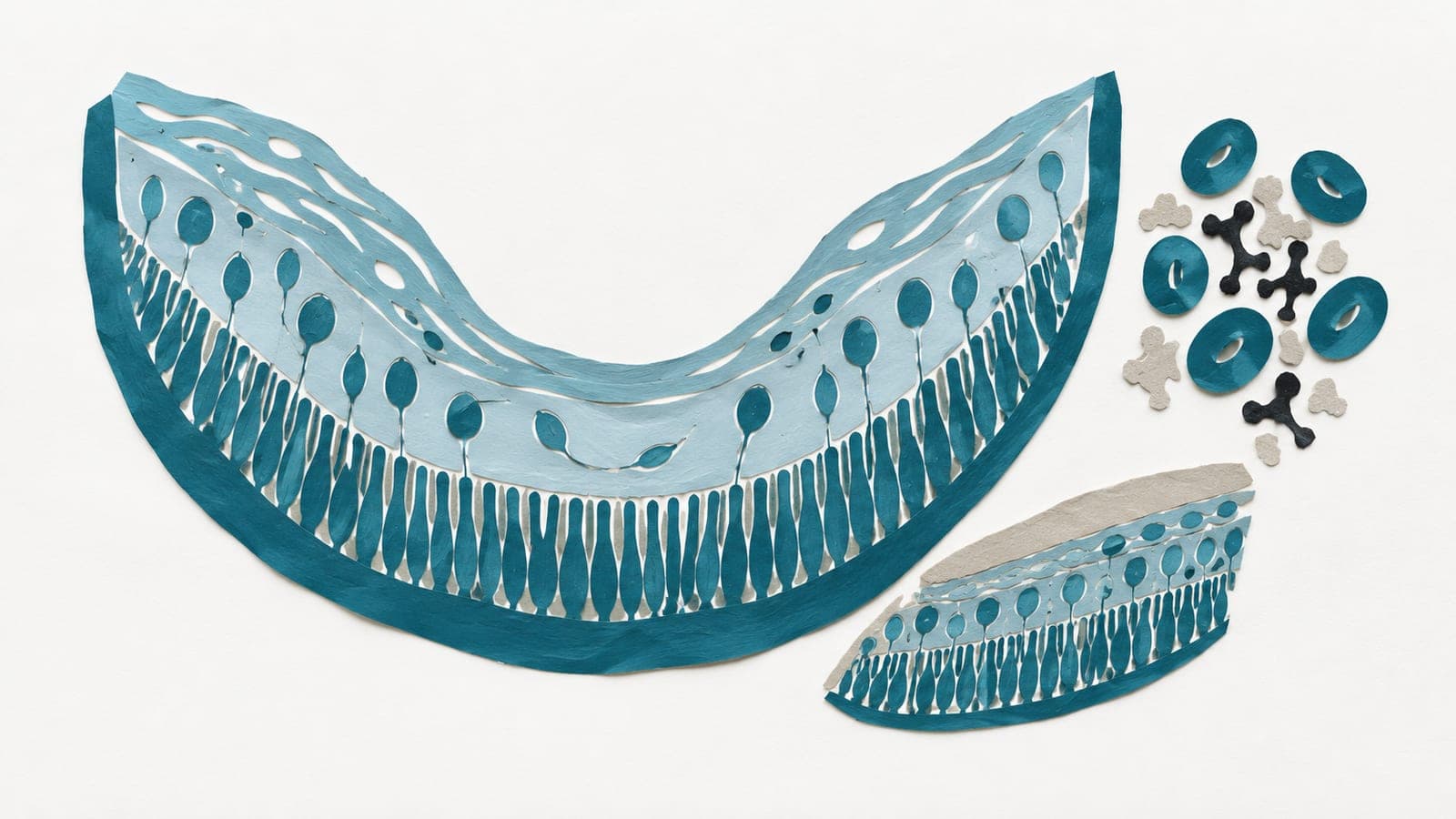
BACKGROUND: This research compared the relationship between foveal optical coherence tomography (OCT) parameters and two age measures-biological and chronological-in healthy adults. METHODS: This cross-sectional study analyzed swept-source optical coherence tomography (OCT) data from 308 eyes of 154 healthy adults aged 22-89 years. Parameters assessed: foveal thickness, foveal pit depth and diameter, pit slope steepness, and the presence or absence of the foveal bulge. Biological age was calculated using the PhenoAge algorithm. RESULTS: The core geometry of the foveal pit showed no significant dependence on either type of age (all p ≥ 0.66). In contrast, the foveal bulge prevalence declined significantly with age (adjusted p = 0.011 for chronological age, p = 0.005 for biological age; OR per year ≈0.95, 95% CI 0.92-0.98 for both age models). Model-predicted prevalence decreased from approximately 93% in younger adults to 60-68% in the 60-74-year-old group. CONCLUSION: The foveal architecture remains structurally stable throughout adulthood. The foveal bulge emerges as a sensitive qualitative marker of age-related changes. Biological age does not provide additional predictive value over chronological age for foveal structural parameters under physiological aging conditions.
The paper
Krasnov Research Institute of Eye Diseases; Pirogov Russian National Research Medical University
Vision, 3 Mar 2026