CENTENARIAN PATIENTS WITH NEOVASCULAR AGE-RELATED MACULAR DEGENERATION
Abstract
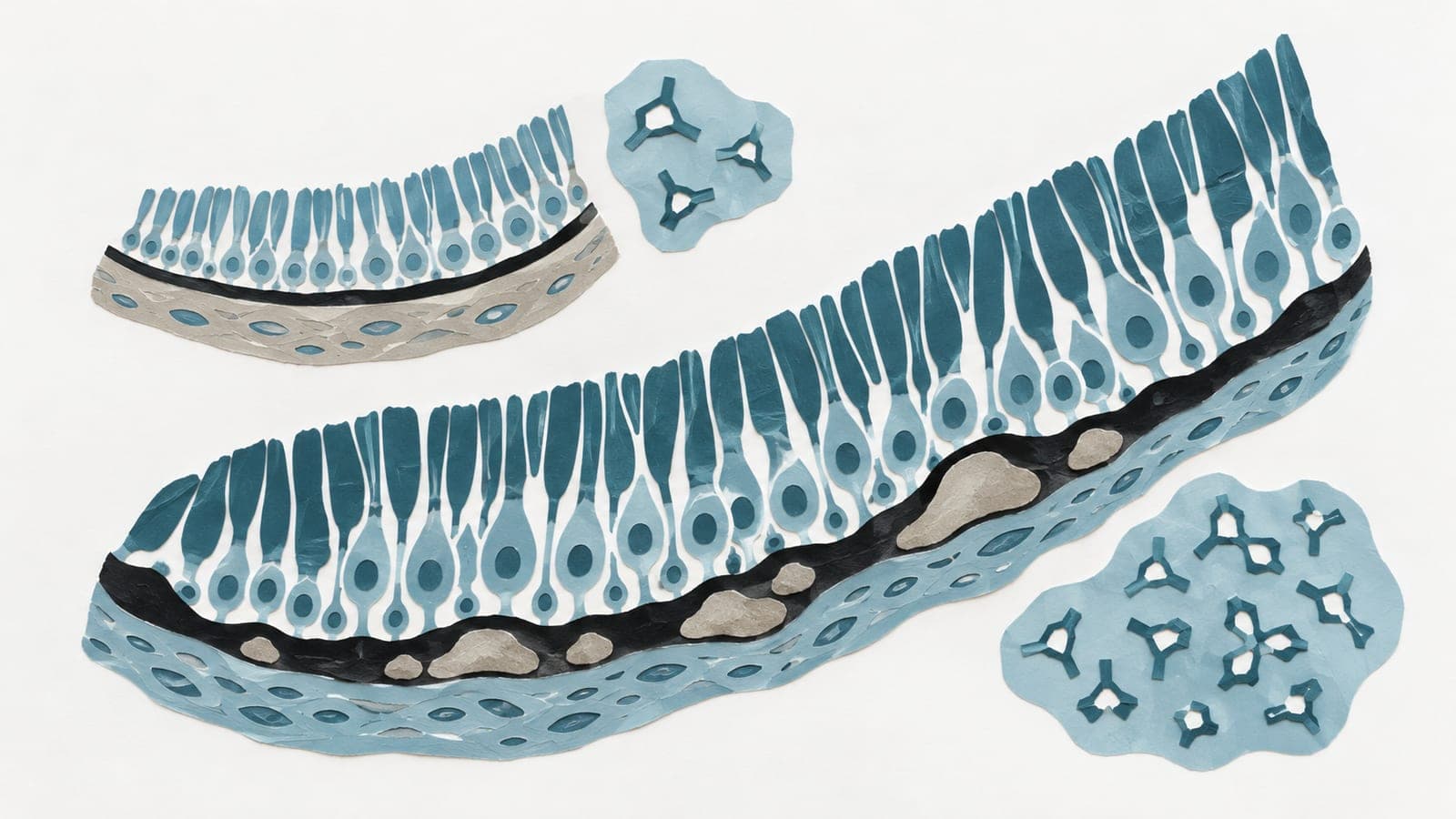
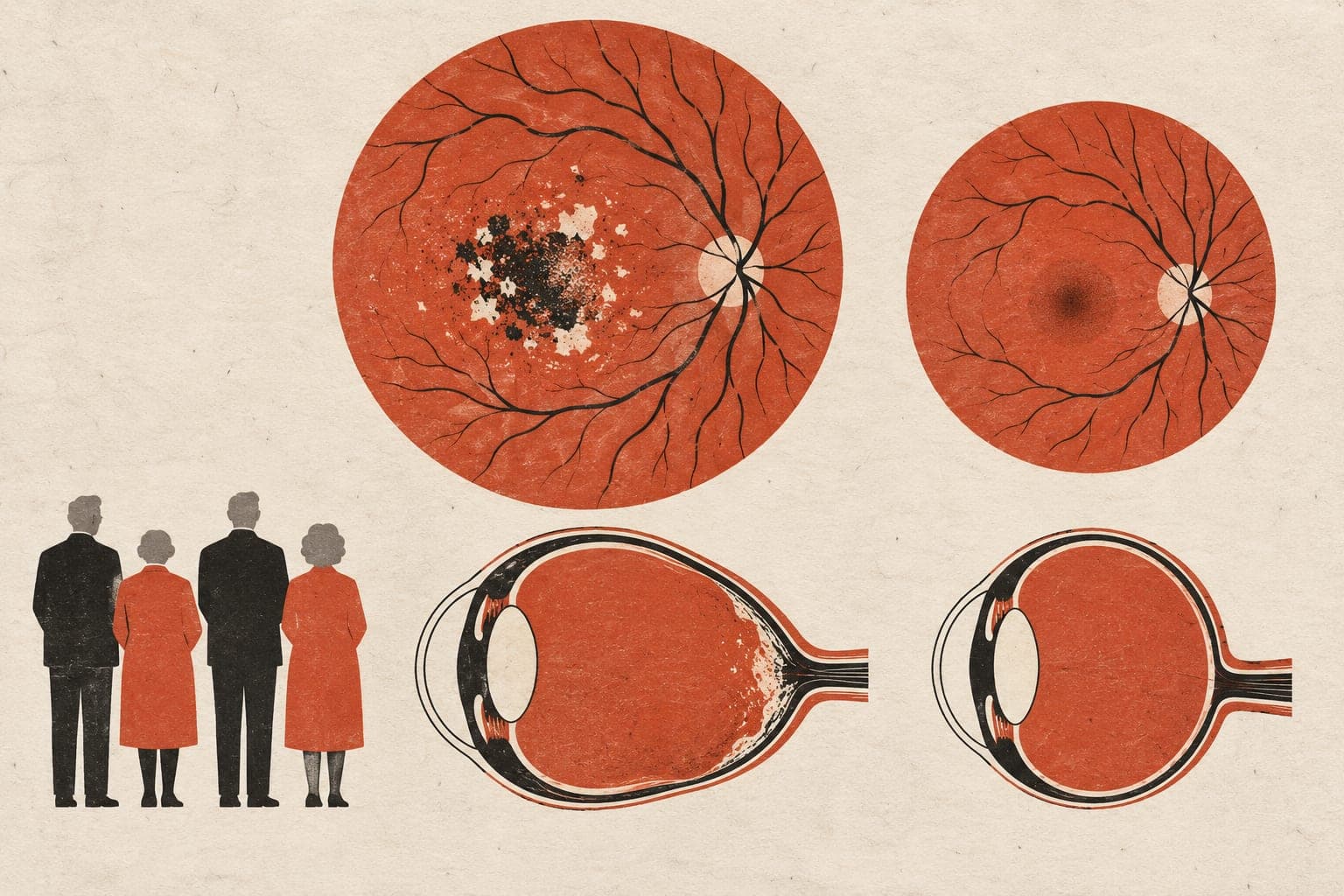
PURPOSE: To report clinical characteristics of exudative neovascular age-related macular degeneration in centenarian patients. METHODS: A retrospective, longitudinal study conducted in two retinal referral centers in Europe. Clinical characteristics of patients with neovascular age-related macular degeneration having at last follow-up at least 100 years and older were reviewed. RESULTS: Twenty-eight eyes from 14 patients (13 women), with a mean baseline age of 95.7 (SD 4.1) years and a mean follow-up duration of 89 months (39.9). The mean age at the last follow-up was 102.4 (1.7) years. Most eyes (86%) presented Type 1 macular neovascularization. At the last follow-up, best-corrected visual acuity was stable or improved in 57% of eyes, with a mean final best-corrected visual acuity of 53 letters (21.8), Snellen equivalent 20/100. Eyes with better visual outcomes (>50 letters) had significantly higher baseline best-corrected visual acuity ( P < 0.001) and thicker subfoveal choroidal thickness ( P = 0.03). Macular hemorrhage (25%) and macular atrophy (53.6%) were associated with poorer best-corrected visual acuity. CONCLUSION: Centenarian patients with neovascular age-related macular degeneration can maintain vision with long-term anti-VEGF therapy. These findings underscore the need for tailored management strategies for the challenges faced by centenarians with neovascular age-related macular degeneration.
The paper
Centre Hospitalier Intercommunal de Créteil
Retina, 25 Mar 2026