Increased functional integration of emotional control network across the adult lifespan
Abstract
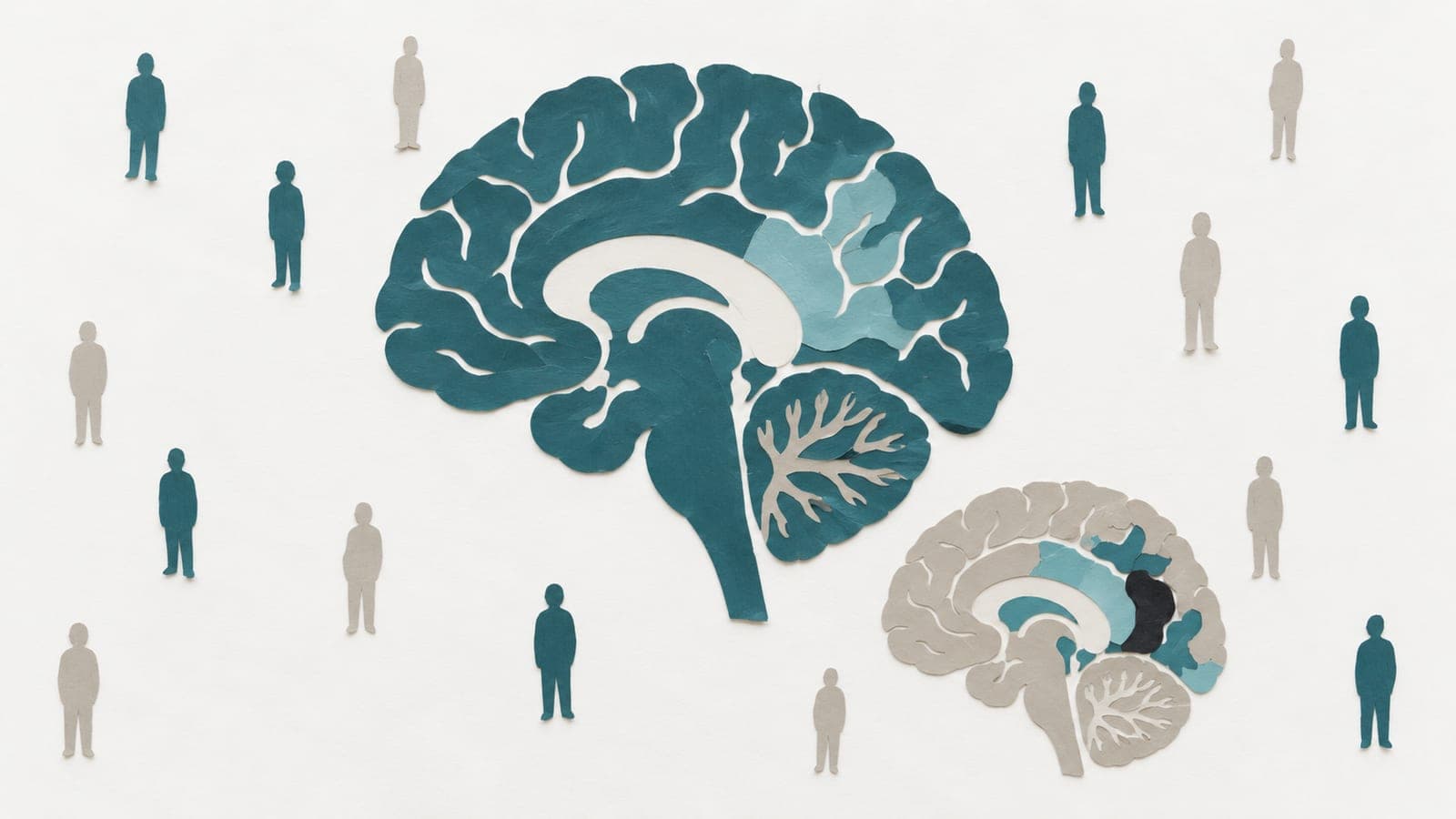
Emotional well-being has often been shown to improve across the adult lifespan. The corresponding effects, however, in the emotion regulation brain networks remain underexplored. By utilizing large-scale datasets such as the Human Connectome Project (HCP-Aging, N = 621, 349 females) and Cambridge Centre for Ageing and Neuroscience (Cam-CAN, N = 333, 155 females), we were able to investigate how emotion regulation networks' functional topography differs across the entire adult lifespan. Based on previous meta-analytic work that identified four large-scale functional brain networks involved in emotion generation and regulation, we investigated the association between the integration of these emotion regulation networks and measures of mental well-being with age in the HCP-Aging dataset. We found an increased functional integration of the emotional control network among older adults, which was replicated using the Cam-CAN dataset. Further we found that the interoceptive network, which is mediating emotion generative and regulative processes and carries our introspective and reflective functions, is less integrated in higher age. Our study highlights the importance of identifying topological changes in the functional emotion network architecture across the lifespan, as it allows for a better understanding of functional brain network alterations that accompany emotional aging.
The paper
Norwegian University of Science and Technology
Aging Brain, 2 Mar 2026