Cancer therapy-related cardiovascular aging: mechanisms, monitoring, and intervention strategies
Abstract
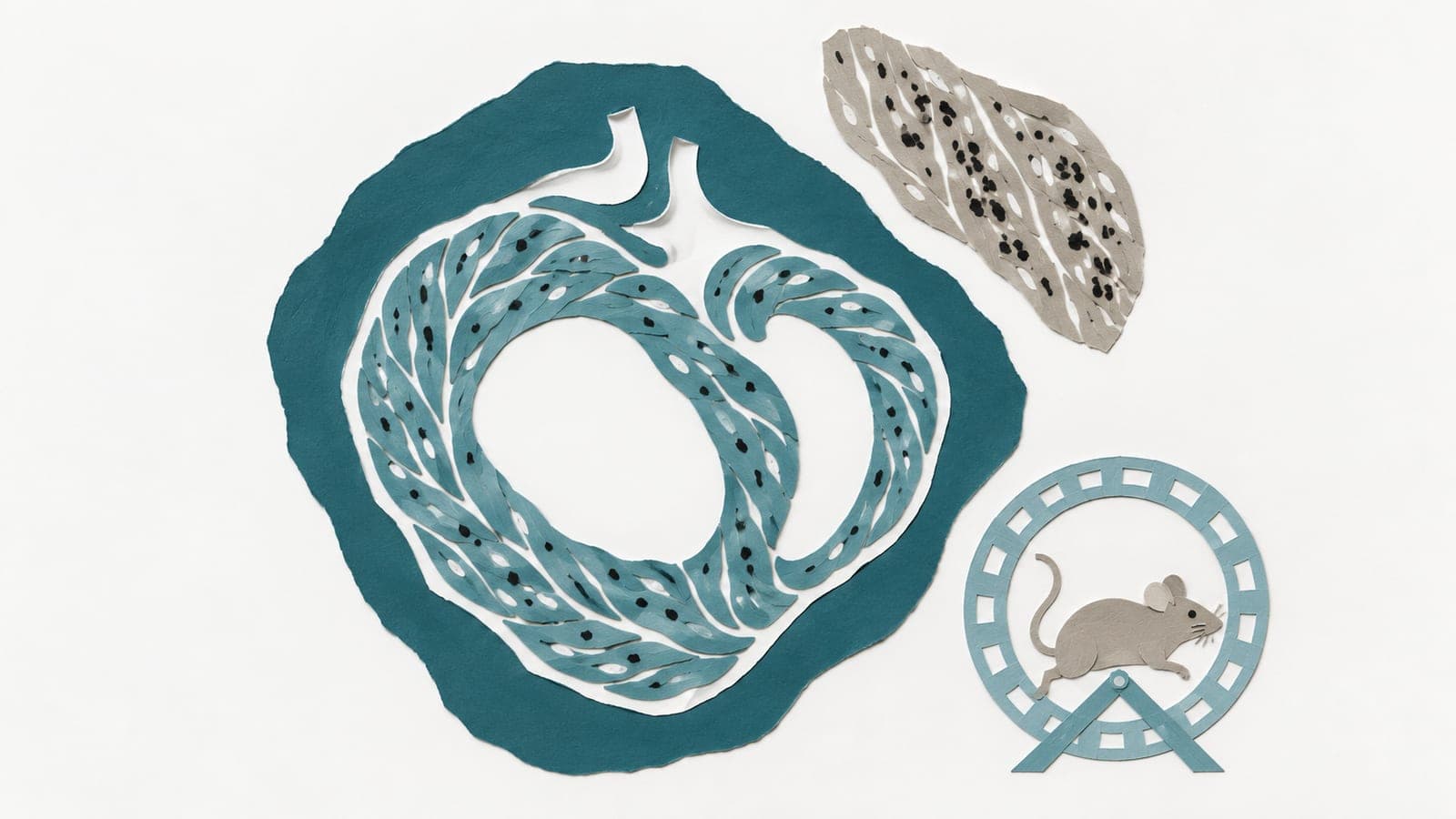
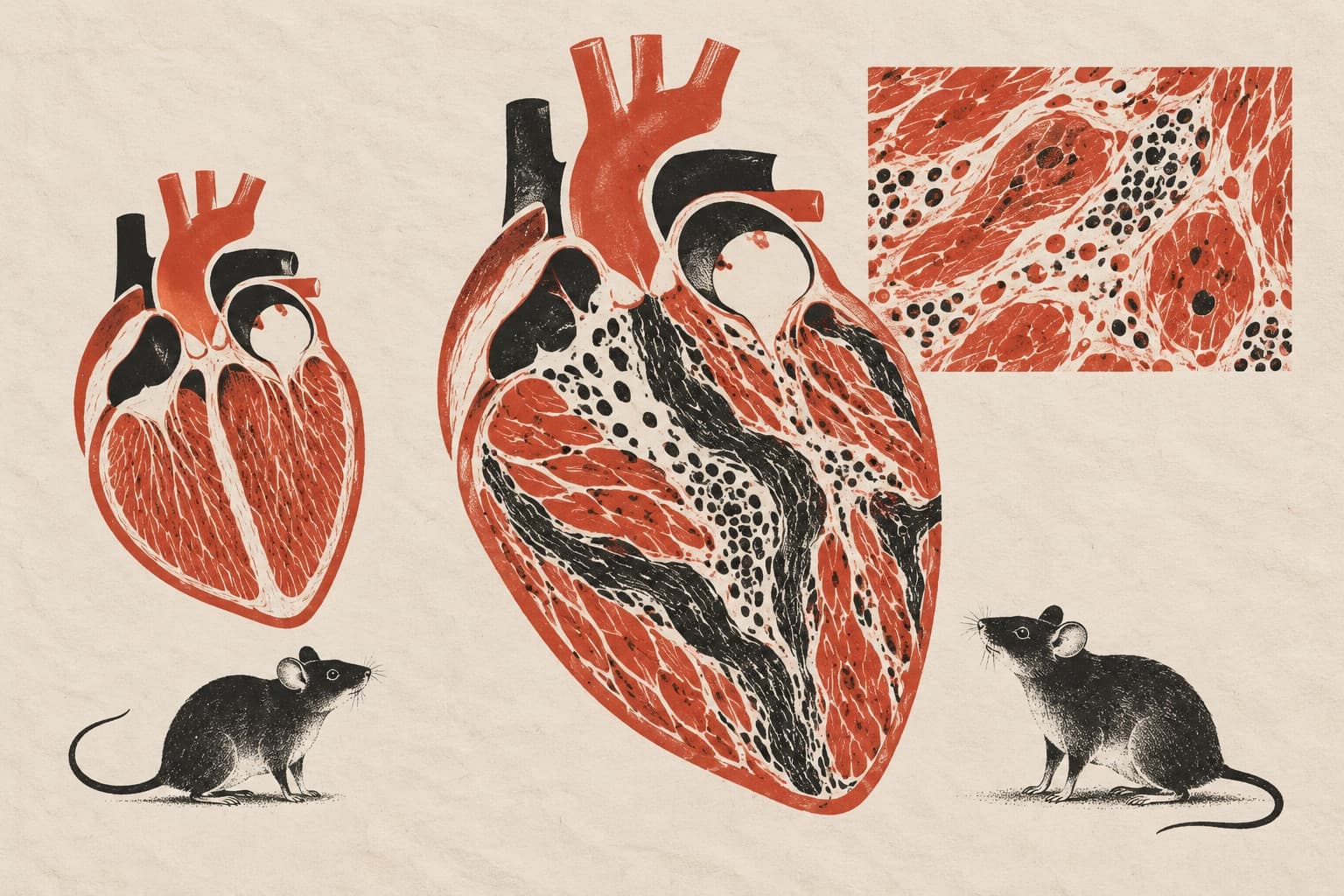
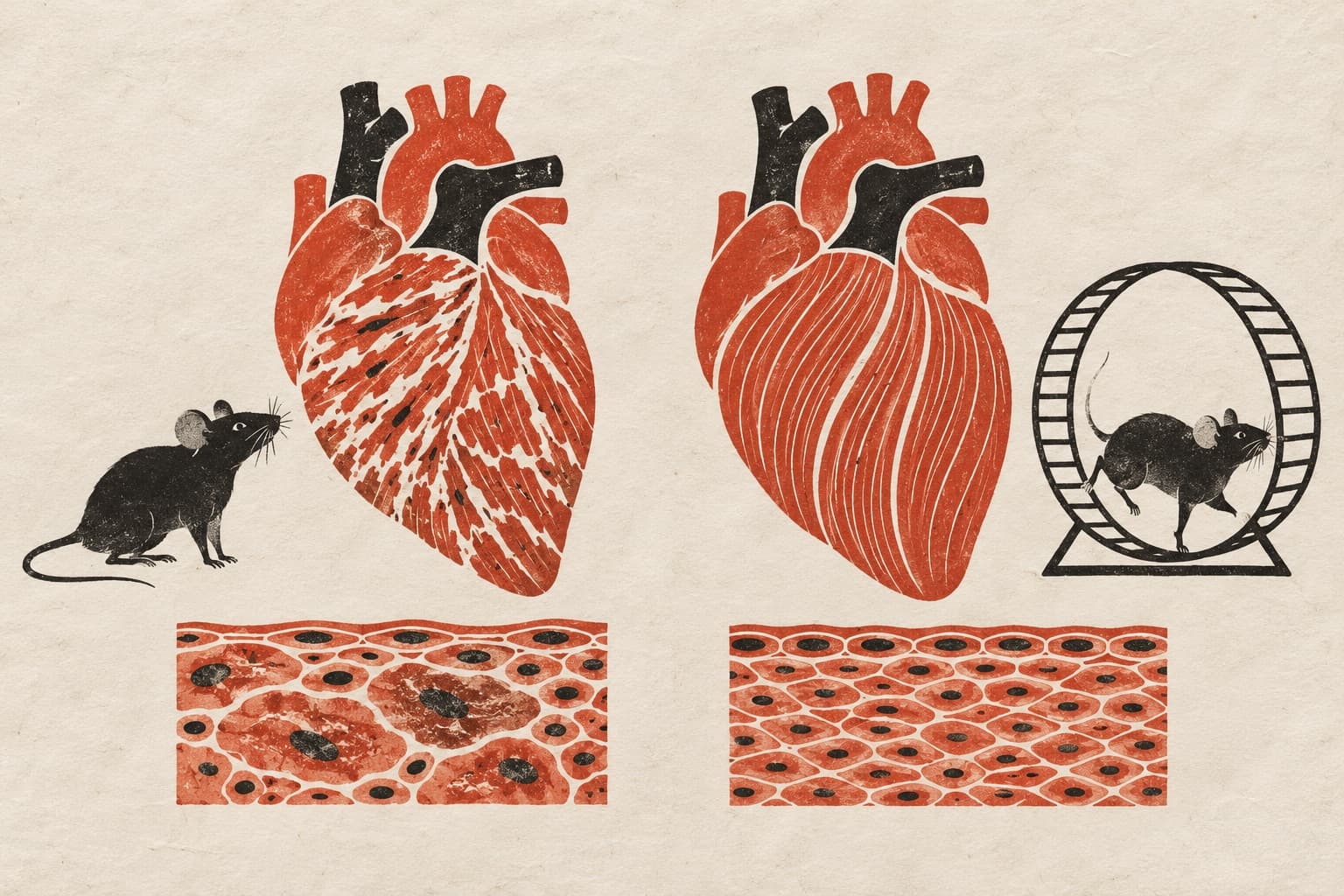
Significant improvements in cancer survival rates have been achieved through advancements in treatment and early diagnosis. However, non-cancer-related mortality among cancer survivors continues to rise each year. Cardiovascular diseases (CVDs) related to cancer therapy now rank as the second leading cause of death in survivors, sometimes surpassing the cancer itself. Among these, cardiovascular aging represents one of the most severe side effects, often leading to detrimental structural changes such as cardiac atrophy or fibrosis, which ultimately impair cardiac function and reduce survival. Preventing or treating cardiovascular aging has emerged as a promising strategy to mitigate Cancer Therapy-Related Cardiovascular Toxicity (CTR-CVT). This review offers a comprehensive analysis of the characteristics and mechanisms underlying cancer therapy-induced accelerated cardiovascular cellular senescence, outlines current monitoring and intervention strategies, and explores future research opportunities and challenges. Enhancing the understanding of Cancer Therapy-Related Cardiovascular Cellular Senescence and Cancer Therapy-Related Cardiovascular Aging (CTR-CVA) is crucial for optimizing cancer treatment, advancing medical research, and improving clinical practice, all of which are vital for preserving cardiac health and improving the quality of life of patients with cancers.
The paper
Jiangsu University; Affiliated Hospital of Jiangsu University
Frontiers in Cardiovascular Medicine, Jan 8, 2026, Open access