Age-related resting state EEG differences in learning and memory performance during a spatial learning task
Abstract
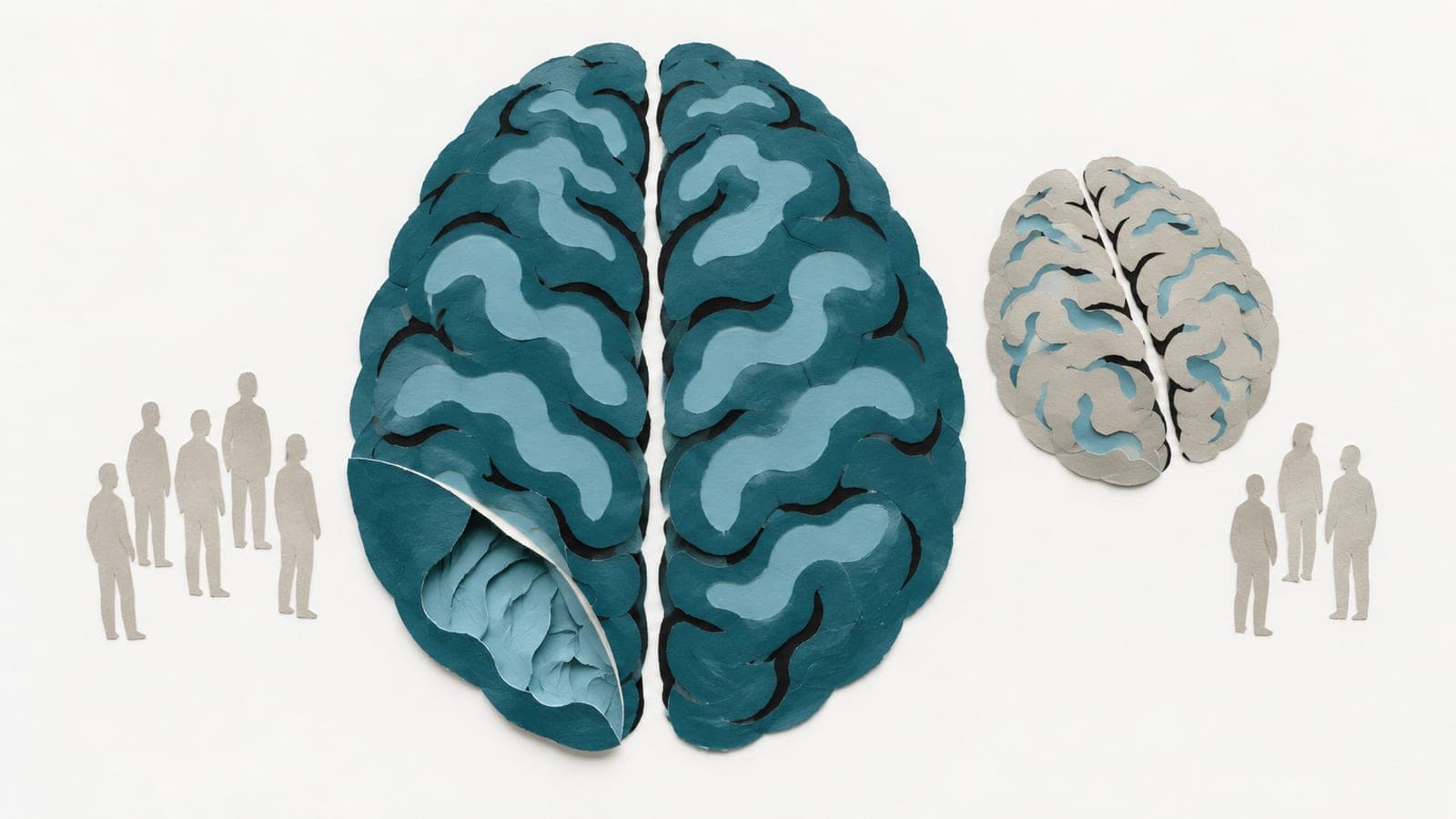
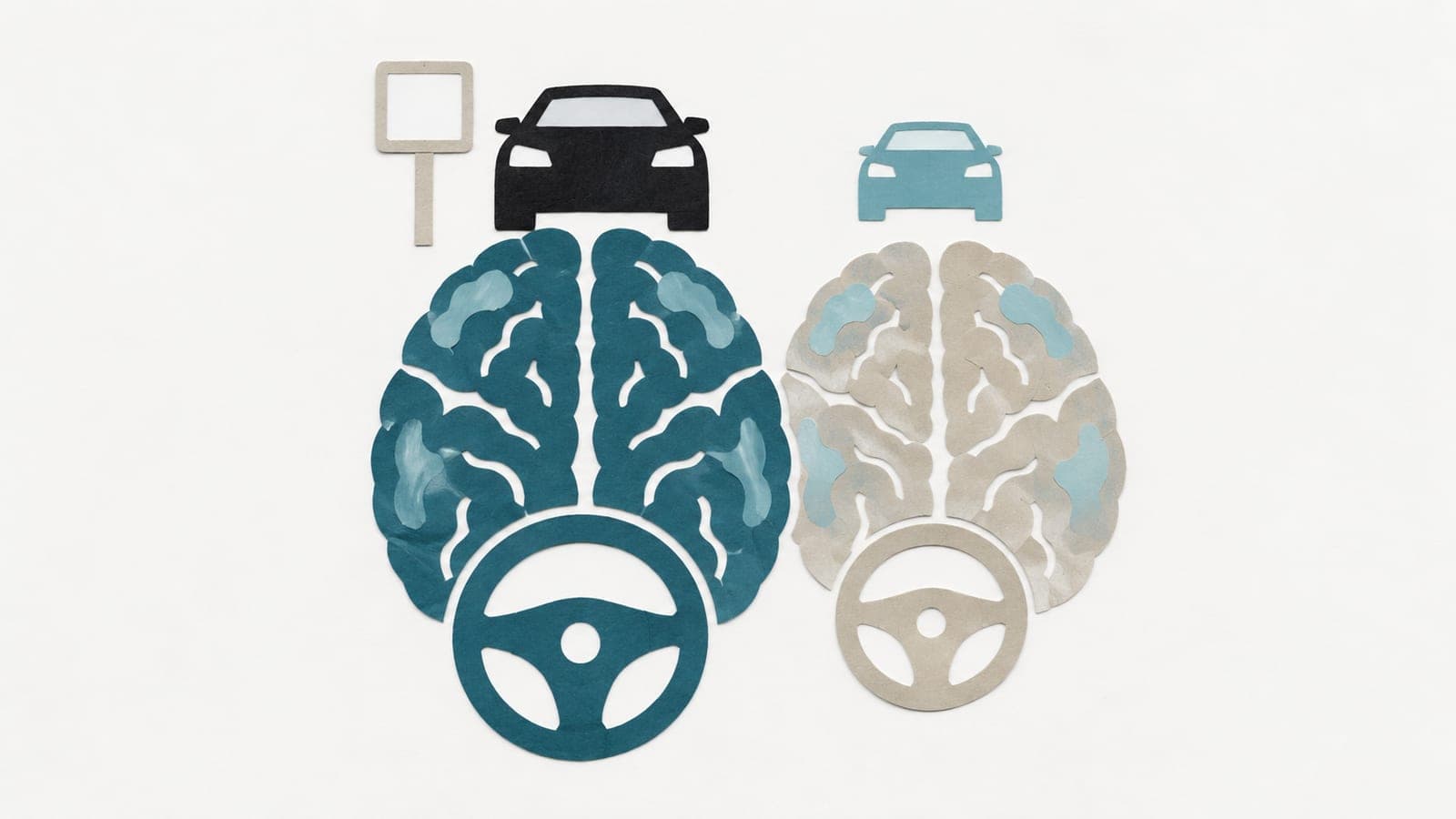
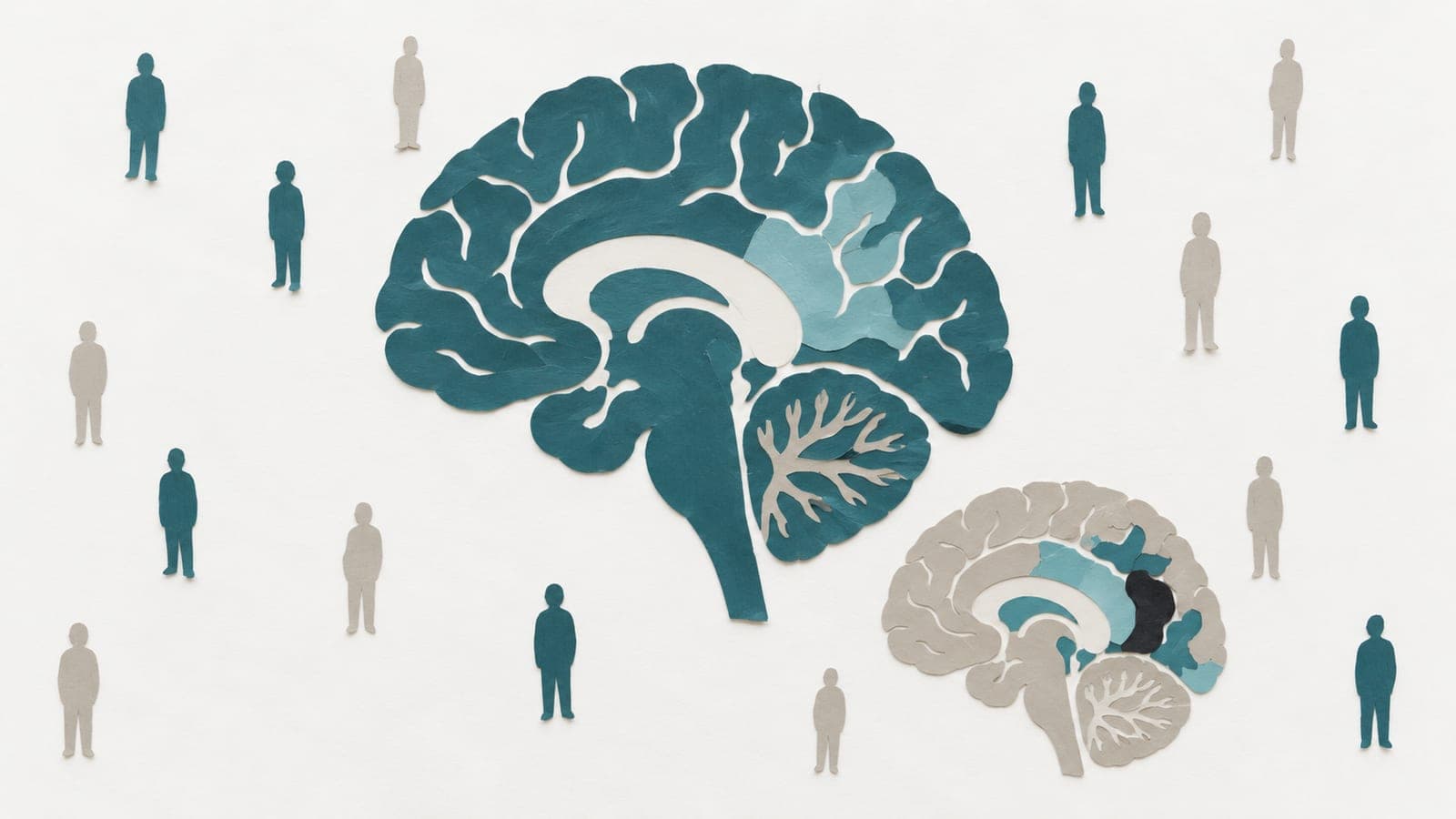
Healthy aging is associated with a decline in spatial cognition, with older adults learning spatial environments more slowly and with less precision compared to younger adults. This study investigated whether resting-state EEG measures could be used to predict differences in spatial learning/memory performance in a virtual water maze task among younger and older adults. We recorded eyes-open resting-state EEG from 22 older adults (aged 60-76) and 31 younger adults (aged 18-40) before they completed the NavWell virtual water maze task. Our analysis focused on five EEG frequency bands (delta, theta, alpha, beta, gamma) and their relationship with age and behavioural measures: spatial learning (path length & escape latency) and spatial memory (percentage of time spent searching in the goal quadrant). Principal component analysis was used to reduce the absolute and relative power EEG variables to component scores, which were then used as predictors. Results revealed that age was a significant, strong predictor of all performance-related outcomes. Though resting-state EEG was not a significant predictor of spatial learning/memory ability, EEG component loadings differed between older and younger adults. Specifically, older adults demonstrated reduced low-frequency (delta) and greater high-frequency (beta/gamma) power compared to younger adults. These findings suggest that while resting-state EEG dynamics differ by age, they do not explain age-related differences in spatial learning performance.
The paper
National College of Ireland; National University of Ireland, Maynooth
Brain and Cognition, 30 Dec 2025