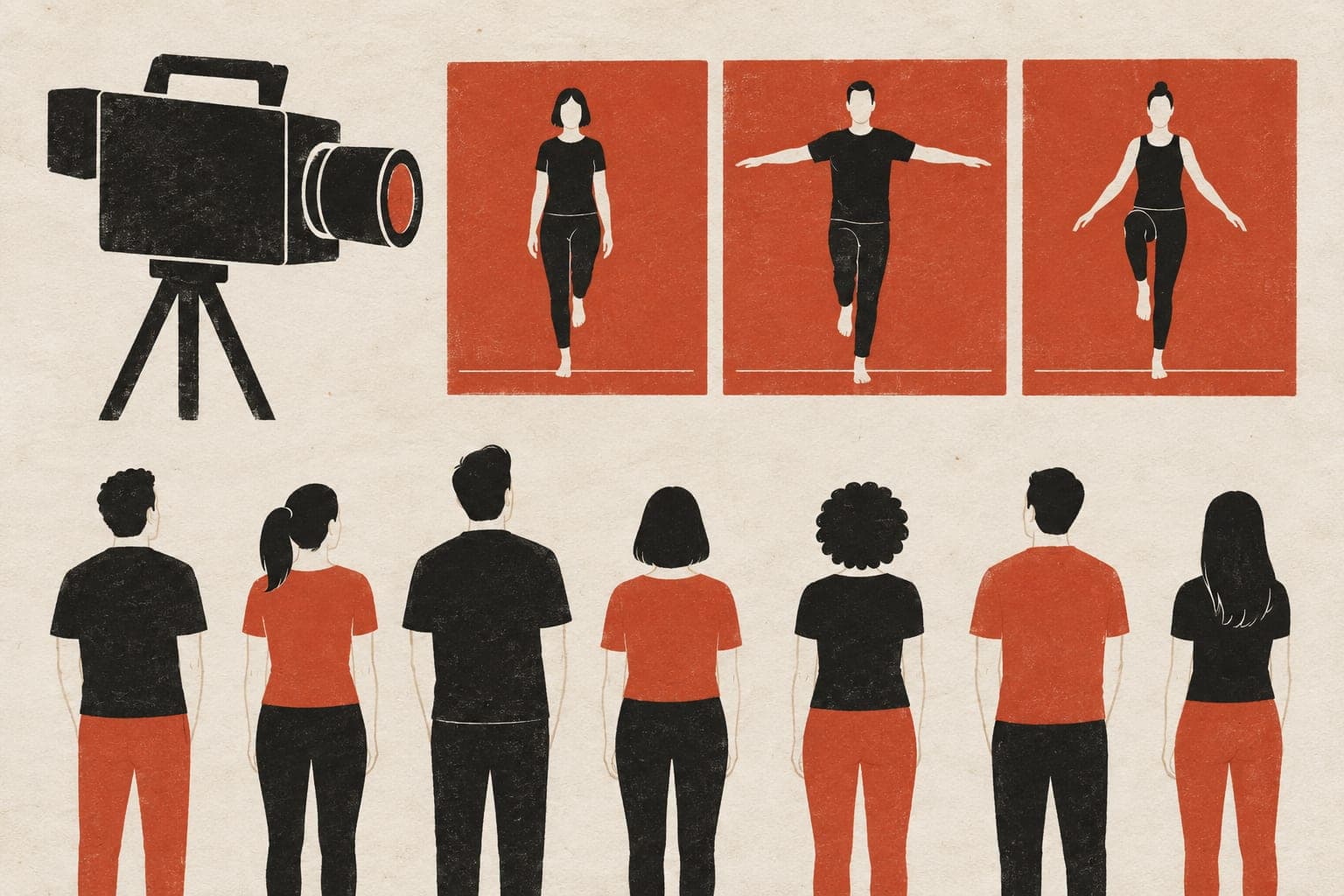
The Relationship between Static and Dynamic Balance and Fatigue in Adults Aged 60 and above
By Nas Özütemiz G, Güner G, Kır G et al.
Abstract
BACKGROUND: The aging process is accompanied by sensory, motor, and cognitive declines that increase the risk of balance disorders. Fatigue is a prevalent yet often overlooked symptom among older adults. OBJECTIVE: This study examines the relationship between fatigue and balance in individuals 60 years and older to provide evidence for preventive and rehabilitative strategies. METHODS: Fatigue was assessed using the Fatigue Assessment Scale (FAS) and the Fatigue Impact Scale (FIS), while balance was evaluated with the Timed Up and Go (TUG) test, the Tinetti Balance and Gait Test (TBT-TGT), and the Single-Leg Stance Test (SLST). RESULTS: While fatigue had a negative impact on both static and dynamic balance, no statistically significant differences were detected between the fatigued and severely fatigued groups. Analyses revealed weak to moderate negative correlations between fatigue scales and measures of both static and dynamic balance, with mental fatigue demonstrating a comparatively stronger relationship with static balance. In the regression analysis, the model including age and mental fatigue overall explained 27.9% of the variance in single-leg stance duration. CONCLUSIONS: The results of our study indicate that fatigue markedly impairs both static and dynamic balance performance among older adults.
- Balance disorders
- Fatigue Assessment Scale
- Fatigue Impact Scale
- Single-leg stance test
- Timed Up and Go test
- Humans
The paper
Nas Özütemiz G, Güner G, Kır G et al.
Audiology & Neuro-otology, 18 Dec 2025