Differential response of taste perception to high-altitude exposure and ageing
Abstract
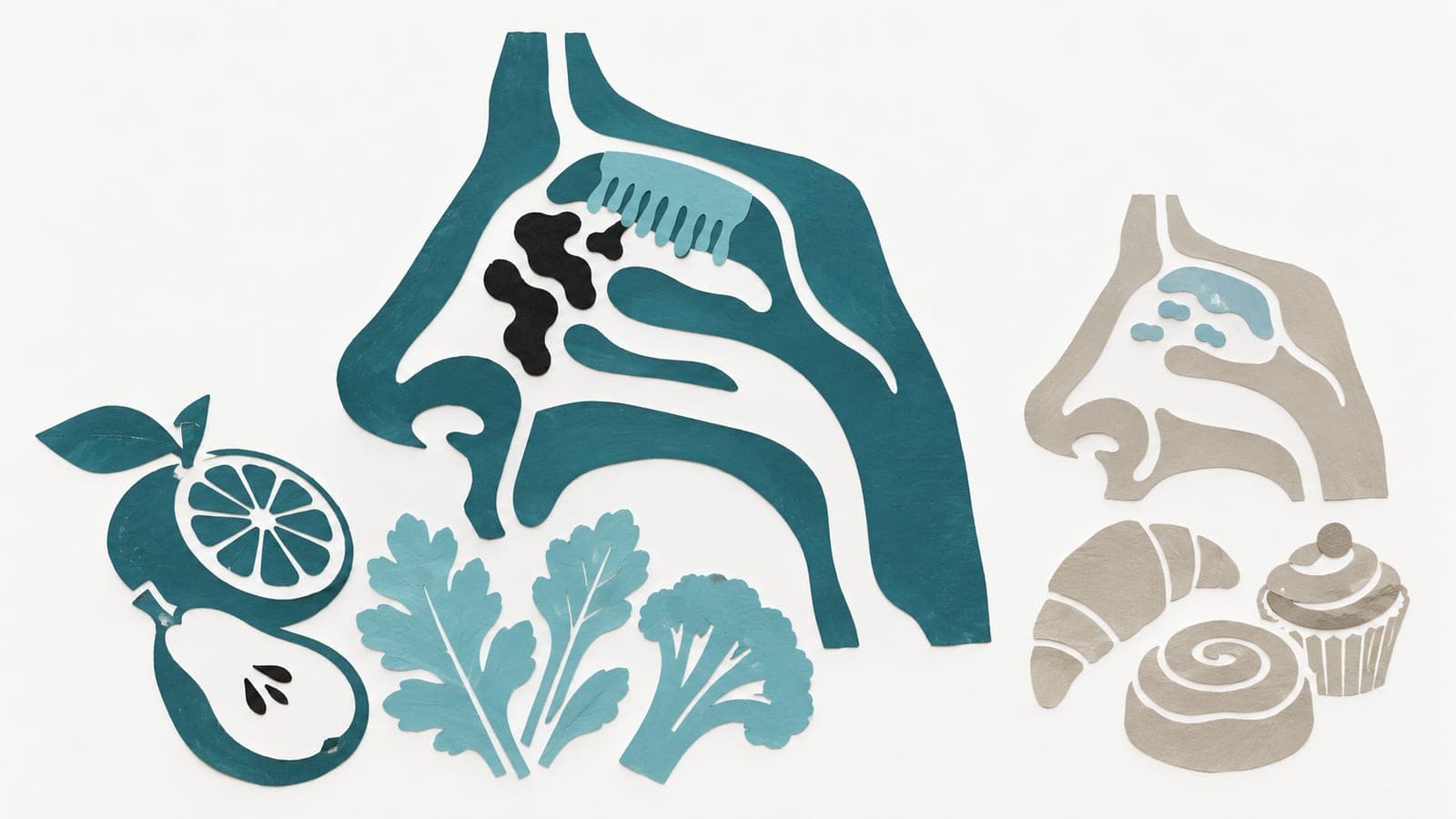
The adaptation of taste perception to extreme and extraordinary environments remains poorly understood, yet it may offer valuable insights into the physiological processes of ageing and adaptation. This study explores how hypoxia - whether environmental, as experienced at high altitude, or constitutive, as observed in older adults - affects taste function, with implications for nutrition under both extreme and age-related conditions. The research was structured in two parts: i. an investigation of taste perception during a high-altitude. Himalayan expedition, and ii. a cross-sectional comparison of taste sensitivity across age groups. In the first part, 17 healthy adults underwent taste tests at low altitude (Kathmandu, 1450 m), high altitude (Pyramid Lab, 5050 m), and again at low altitude after descent. In the second part, 103 participants were grouped by age (18-40, 41-64, and over 64 years) to assess age-related differences in taste function. Preliminary findings suggest that high-altitude exposure may moderately reduce taste sensitivity, particularly for sweet stimuli, requiring higher concentrations for correct identification. Similarly, ageing appears to impair taste perception, though the effect is not uniform across all taste qualities-salty taste, for instance, remains relatively preserved. These results point to a possible shared mechanism: the role of hypoxia in modulating sensory function. While the hypoxia encountered at high altitude is acute and environmental, older adults may experience a form of chronic, low-grade hypoxia due to physiological ageing. This parallel invite a broader reflection on how the body adapts to oxygen-limited conditions, and how such adaptations might inform nutritional strategies in both extreme environments and geriatric care.
The paper
University of Chieti-Pescara
Appetite, Dec 8, 2025, Open access, accepted manuscript