Reconfiguring Emotion-Regulation patterns in Multi-Frequency EEG networks during healthy aging
Abstract
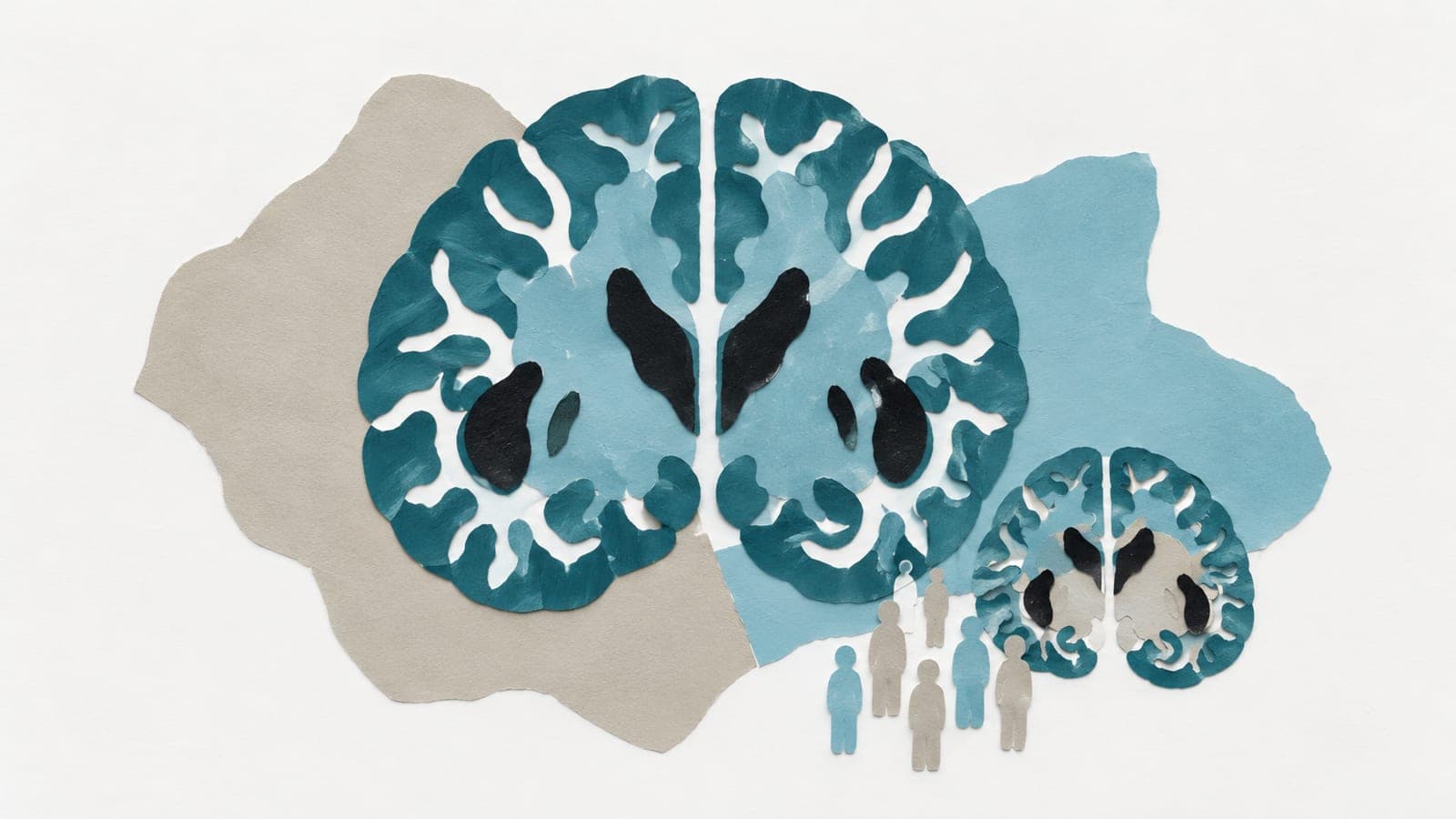
Previous research on aging-related emotional regulation from a whole-brain network perspective is limited, especially using EEG and graph-theoretical multi-frequency analyses. This study addresses this gap by examining 52 older adults (67.31 ± 5.00 years) and 108 younger adults (25.09 ± 3.00 years) from the Leipzig Study for MindBody-Emotion Interactions (LEMON) dataset. Functional brain networks were constructed across five frequency bands (delta, theta, alpha, beta, gamma) using amplitude envelope correlation (AEC), and global and local graph metrics were analyzed in relation to emotional regulation. Older adults showed greater use of suppression and less support coping. Network analyses revealed increased global efficiency in alpha and gamma bands in older adults, negatively correlating with evasive coping and adaptive cognitive emotional regulation. Hub nodes exhibited over-integration while peripheral connections degraded, suggesting compensatory reorganization that maintains basic function but reduces flexibility in emotional regulation, particularly in theta band and alpha band Default Mode Network and Salience/Ventral Attention networks. These findings highlight that high-frequency network compensation in aging may stabilize brain function but affect adaptive emotional regulation, and demonstrate the utility of EEG in capturing multi-frequency neural dynamics underlying emotional regulation.
The paper
Hunan Normal University
Brain and Cognition, 15 Oct 2025