Recombinant IL-1β induces striatal dopamine depletion in aged rats: Involvement of histamine H₁ receptors
By Ionov ID, D Krasilova M, Pushinskaya II et al.
Abstract
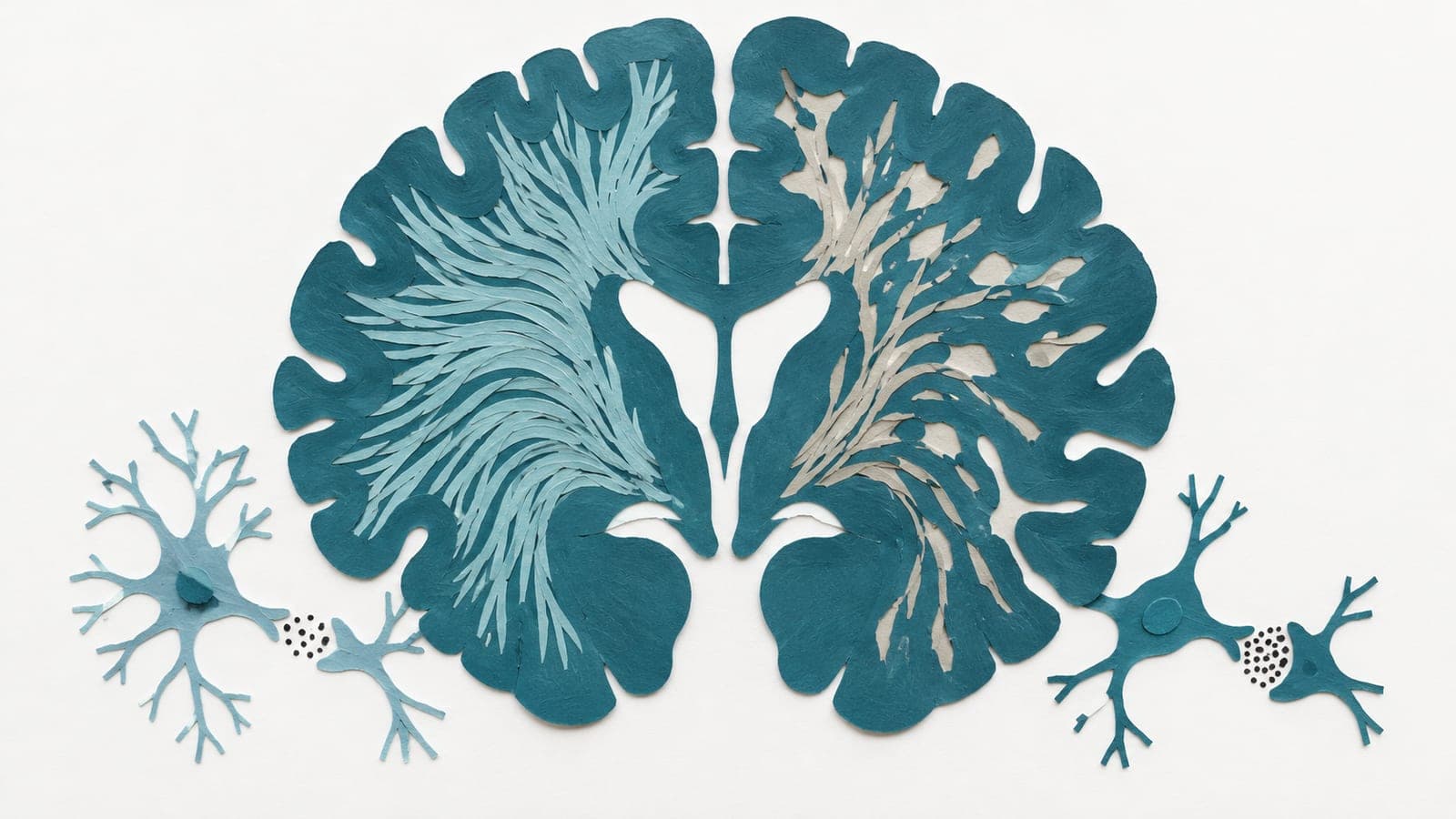
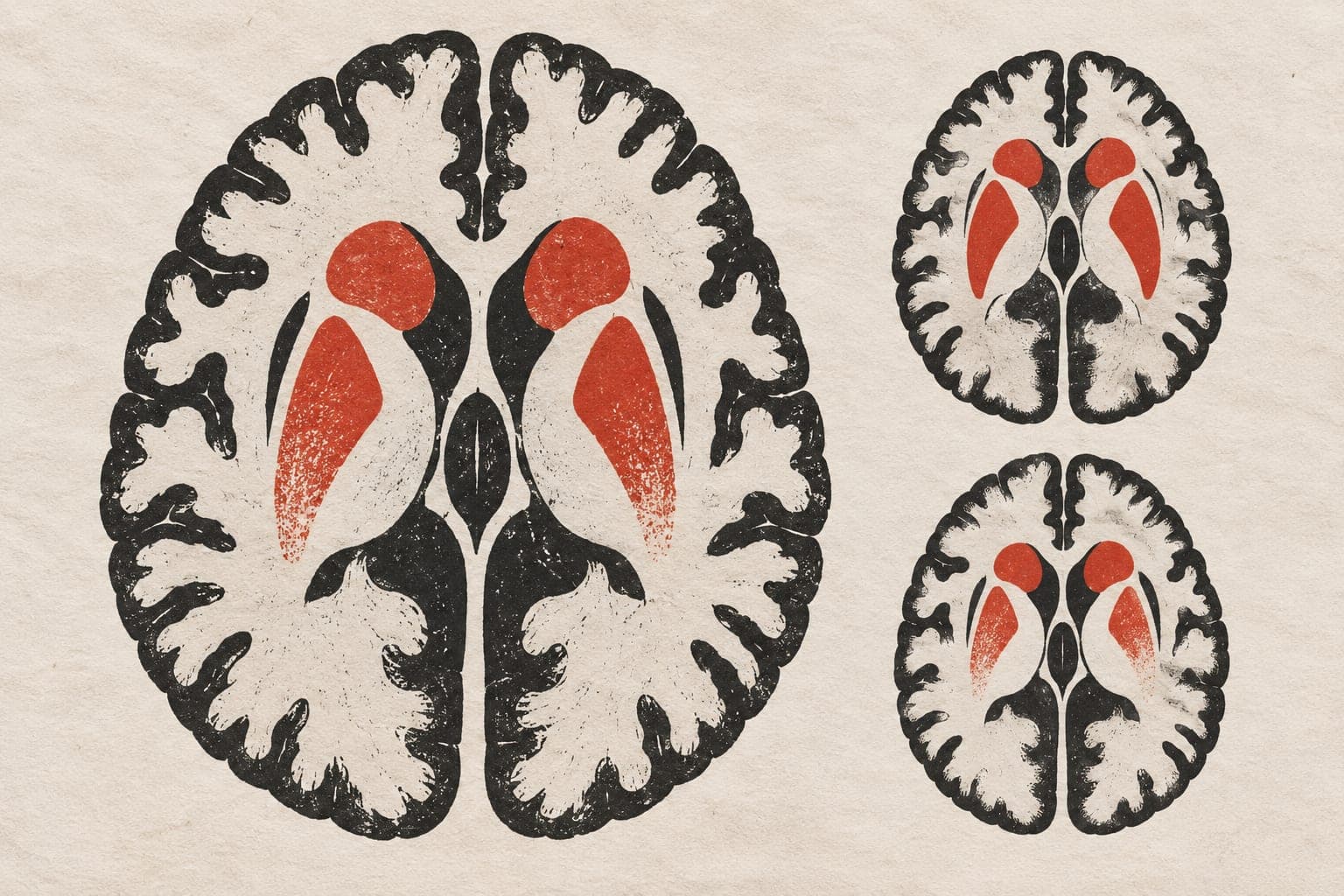
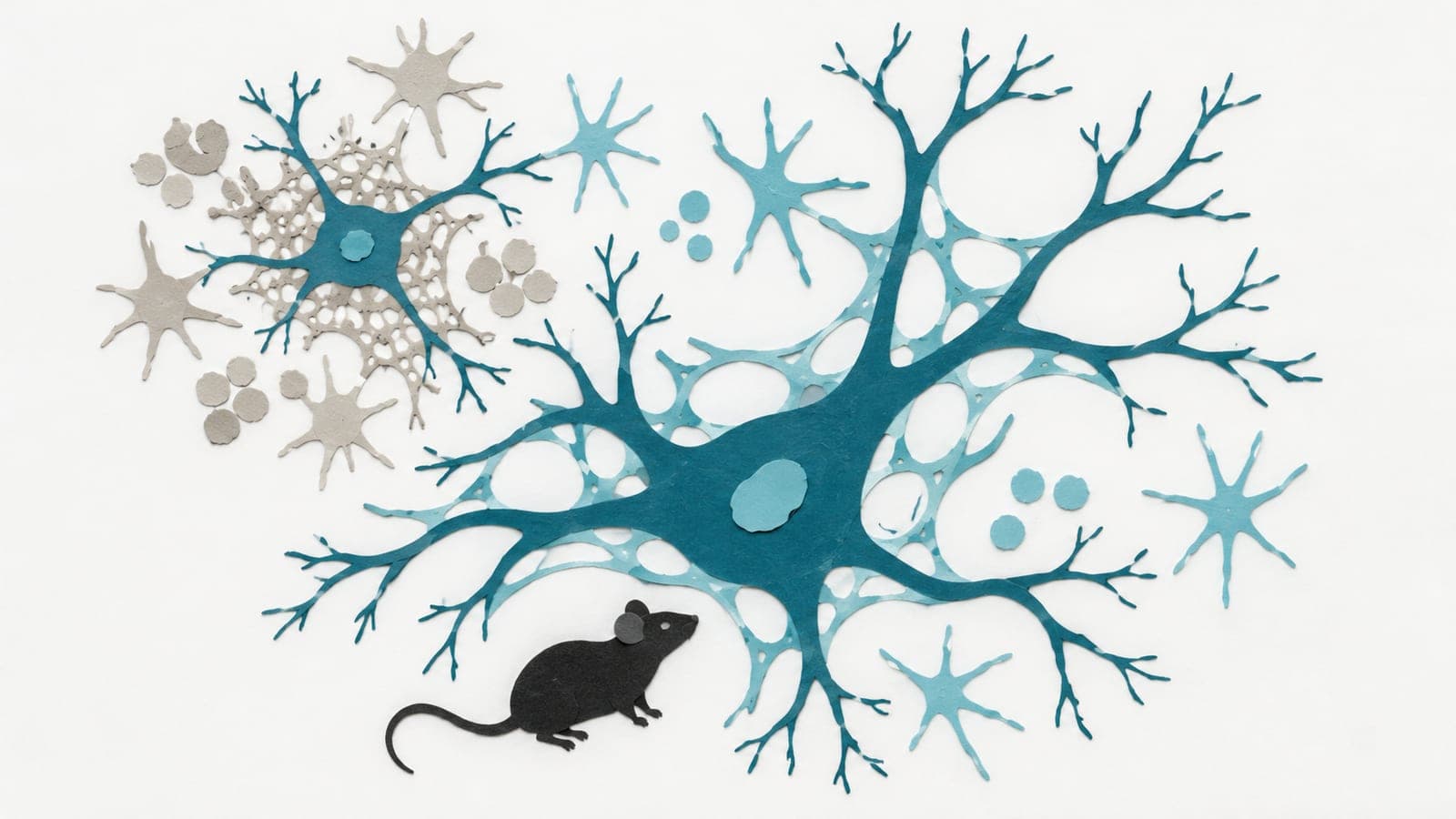
Aging, the strongest risk factor for Parkinson's disease (PD), is associated with brain neuroinflammation. In parkinsonian brain, this inflammation manifests in elevated levels of interleukin-1β (IL-1β). The pathogenic significance of this factor is unclear. The presented study was aimed to examine the effect of IL-1β analogue, rat recombinant IL-1β (rrIL-1β), on striatal dopamine metabolism in aged rats; in parallel, cataleptogenic action of rrIL-1β was determined. Given the ability of IL-1β to induce histamine release from histaminergic fibers, the involvement of histamine H₁, H₂, H₃, and H₄ receptors in the rrIL-1β effects was evaluated. The male Wistar rats of 530-570 days of age were used in all experiments. The experimental groups consisted of 6 animals. The striatal levels of dopamine (DA), 3, 4 -dihydroxyphenylacetic acid (DOPAC), and tyrosine hydroxylase (TH) were determined using HPLC and ELISA; catalepsy was assessed by bar test. Daily i.c.v. administration of rrIL-1β for 14 days at 3.0 ng caused significant decrease in DA, DOPAC, and TH levels in the dorsal striatum; these neurochemical changes were accompanied with the development of catalepsy. The observed rrIL-1β effects were reversed by H₁ antagonist mepyramine whereas H₂ and H₃/H₄ antagonists ranitidine and thioperamide were ineffective. The presented results provide novel insight into functioning of the nigrostriatal pathway in aged rats. Apparently, there exists a certain IL-1β-histamine mechanism exerting depletion of dopamine in the dorsal striatum and initiating catalepsy; the mechanism is mediated by H₁ receptors. Our data suggest that the IL-1β-histamine interaction might contribute to the PD development, and be potential target for the treatment of parkinsonism.
The paper
Ionov ID, D Krasilova M, Pushinskaya II et al.
Brain Research, 30 Sep 2025