Serum Minerals and Male Age-related Hypogonadism: Multimodal Evidence Decoding Associations and Intervention Strategies
Abstract
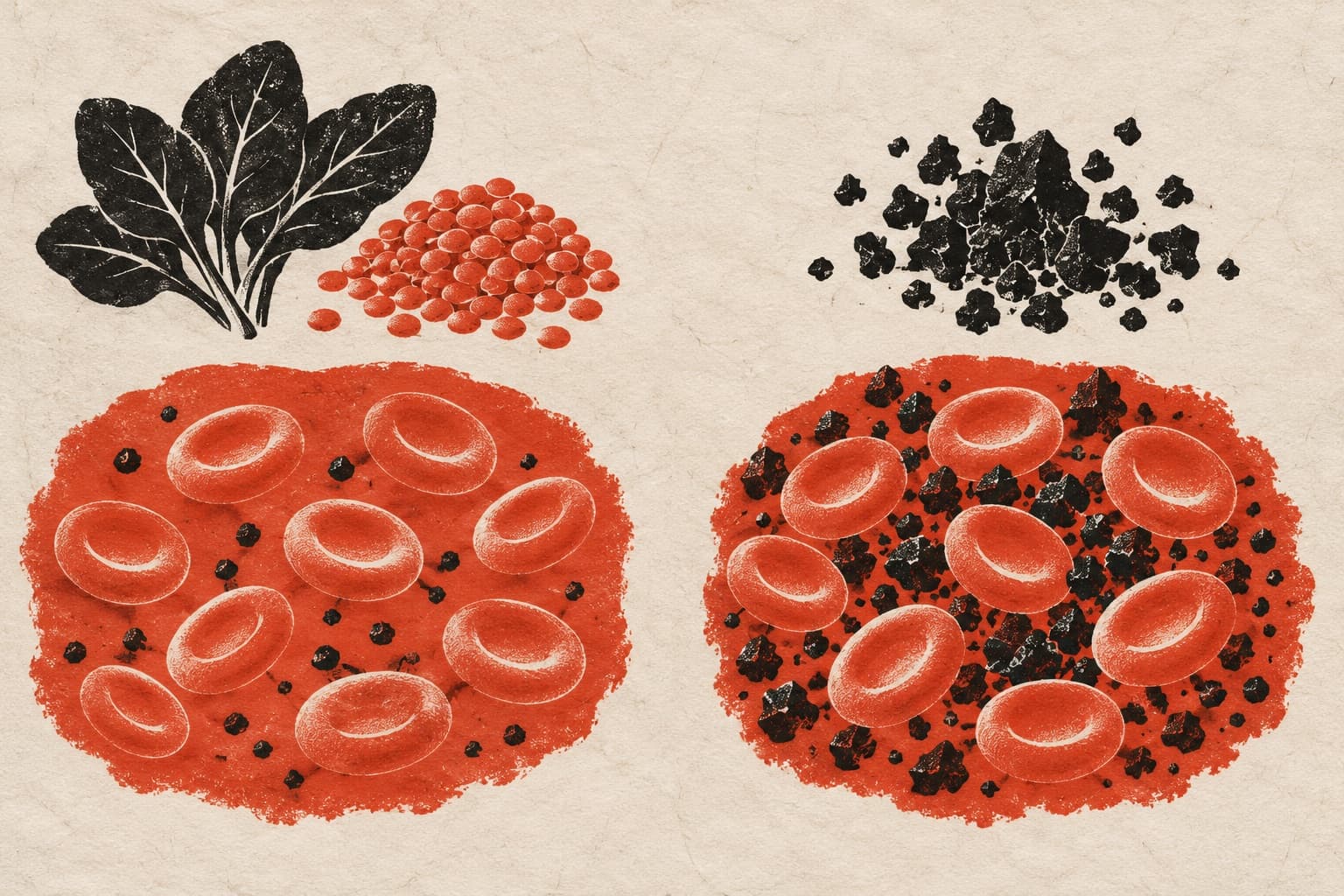
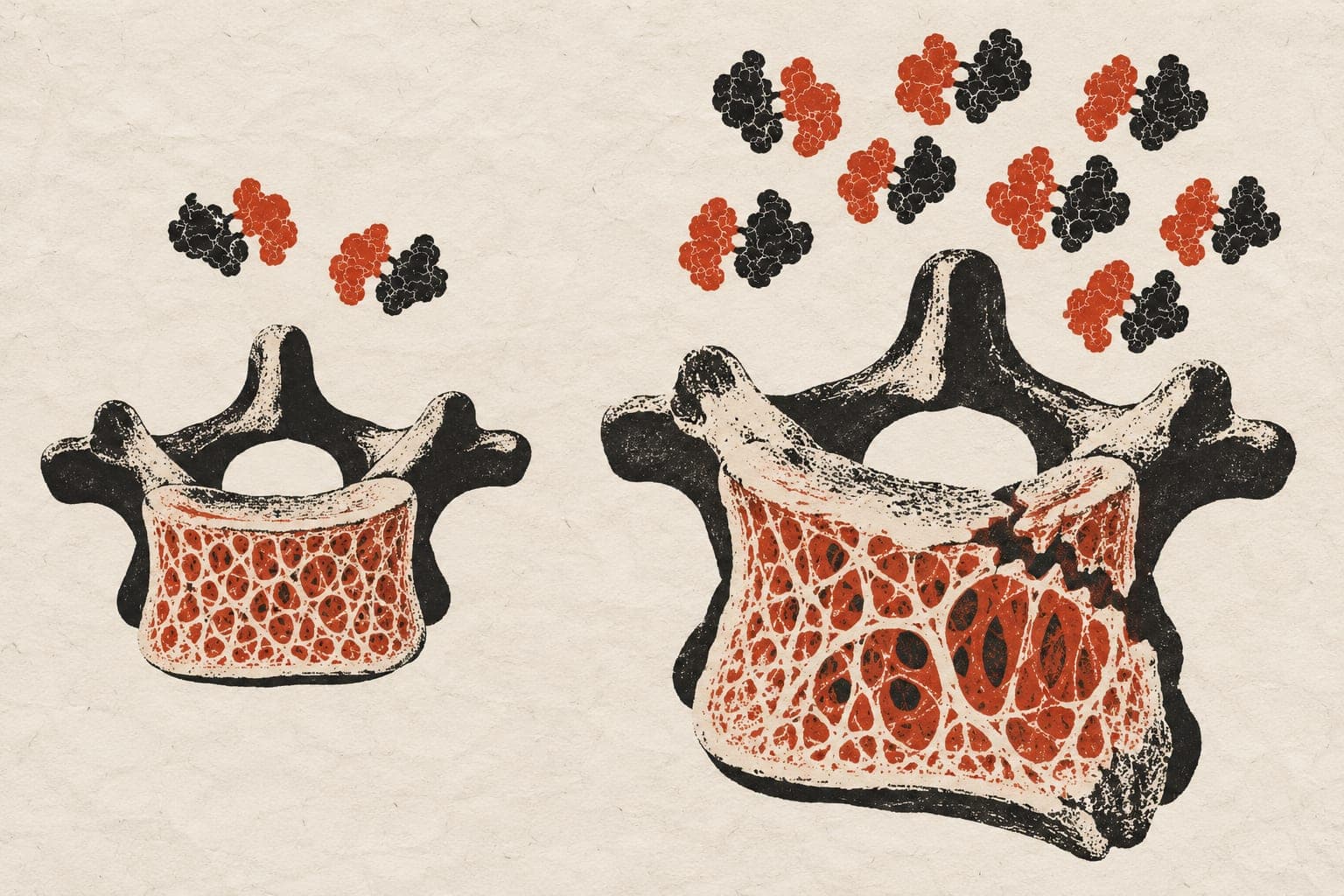
BACKGROUND: Male age-related hypogonadism involves progressive testosterone decline. Existing evidence on minerals' role in sex hormone homeostasis remains inconsistent, partly due to limitations in single-element analyses and inadequate age-stratified investigations. OBJECTIVE: This study examined age-specific associations between serum minerals and male testicular function, focusing on iron's dual role in testosterone regulation. We genetically evaluated causal serum iron-total testosterone (TT) relationships while exploring underlying mediators. METHODS: We analyzed cross-sectional data from 687 age-stratified males in the National Health and Nutrition Examination Survey 2013-2016 using weighted linear regression, restricted cubic splines, and piecewise regression models. Causal relationships were investigated through univariable and multivariable Mendelian randomization analyses, complemented by instrumental variable mediation analysis. RESULTS: Cross-sectional analyses demonstrated a positive association between serum iron and TT (β = 0.194-0.244, P = .016-.033) in middle-aged males, with a J-shaped nonlinear relationship (nonlinear P = .044). Threshold effect analysis identified an inflection point at 12.18 µmol/L. Associations of phosphorus, copper, zinc, and calcium with sex hormones attenuated upon multivariable adjustments in other age strata. Univariable Mendelian randomization supported iron's causal effect on TT (P = 1.24 × 10⁻⁵), though this effect diminished in multivariable Mendelian randomization after adjustment for metabolic factors. Mediation analysis detected bilirubin degradation metabolite C16H18N2O5 (2) as a negative mediator (mediation proportion = -68.0%, P = .016). CONCLUSION: Serum iron bidirectionally modulates testicular function through redox and metabolic networks. Our findings establish age as an effect modifier in mineral-endocrine interactions, emphasize personalized precision nutrition strategies, and uncover novel bilirubin-mediated regulatory pathways.
The paper
First Hospital of China Medical University
The Journal of Clinical Endocrinology and Metabolism, 20 Sep 2025