Impact of elevated arterial blood pressure on bioprosthetic valve calcification and failure after transcatheter aortic valve replacement
Abstract
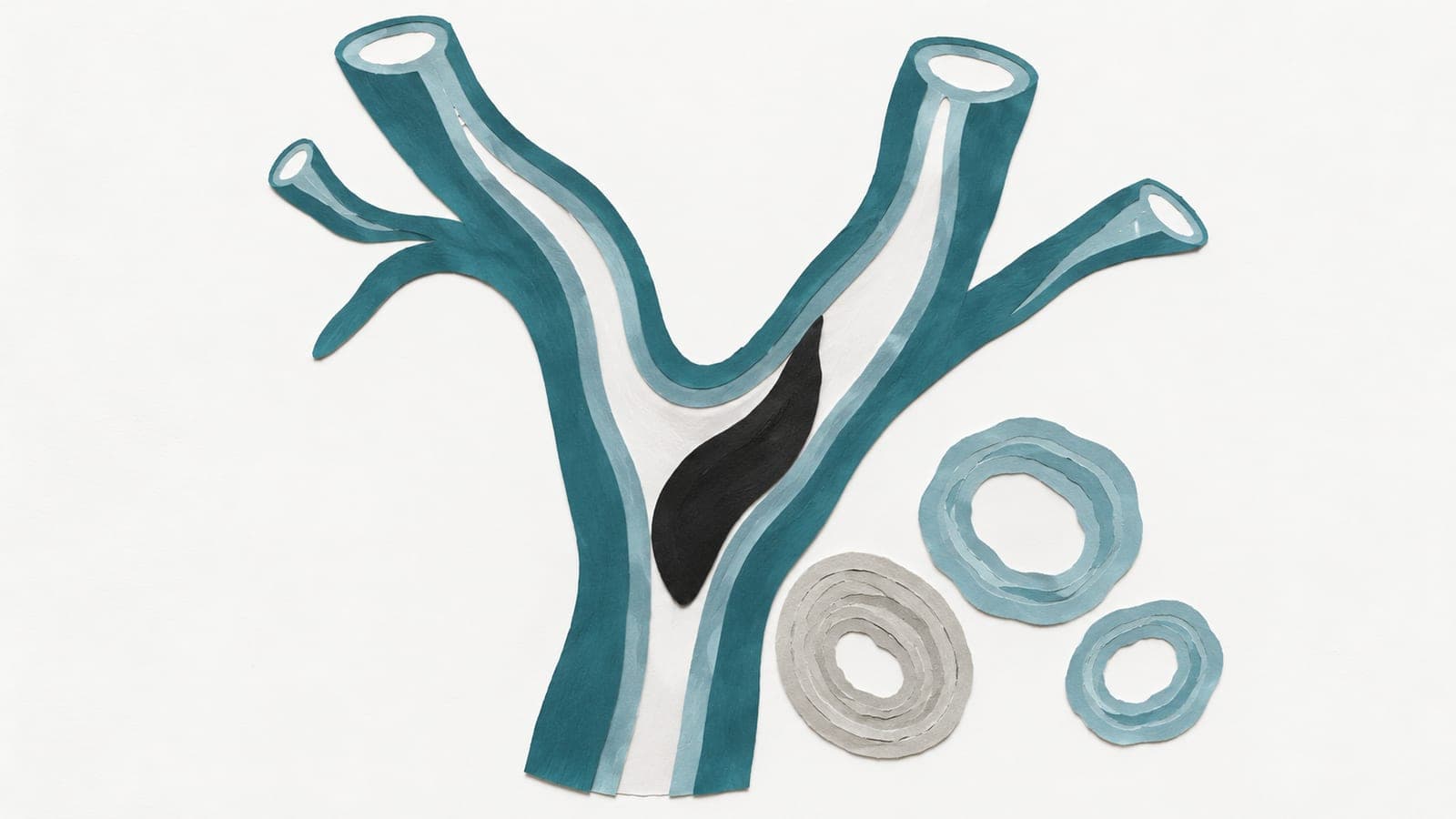
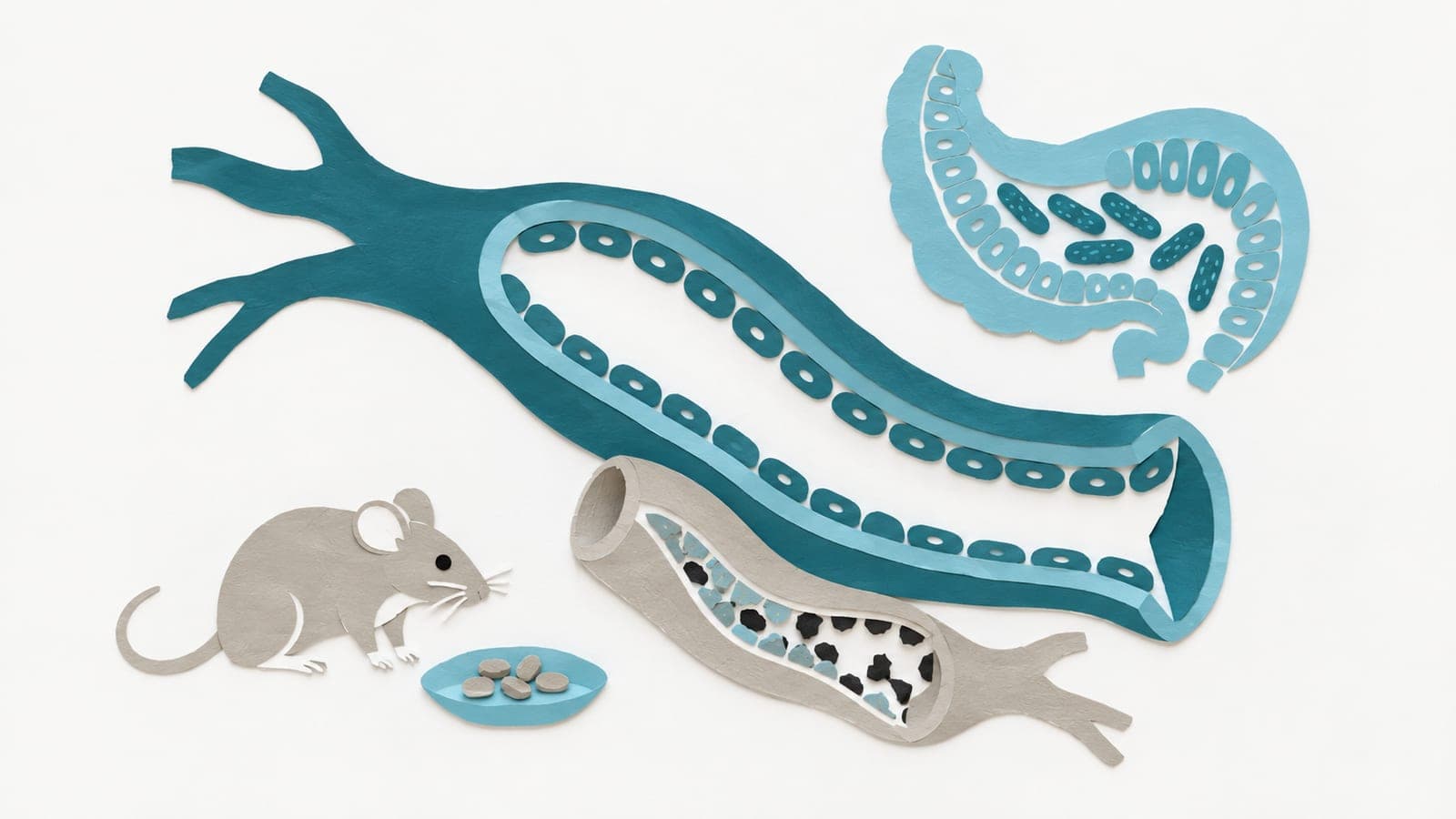
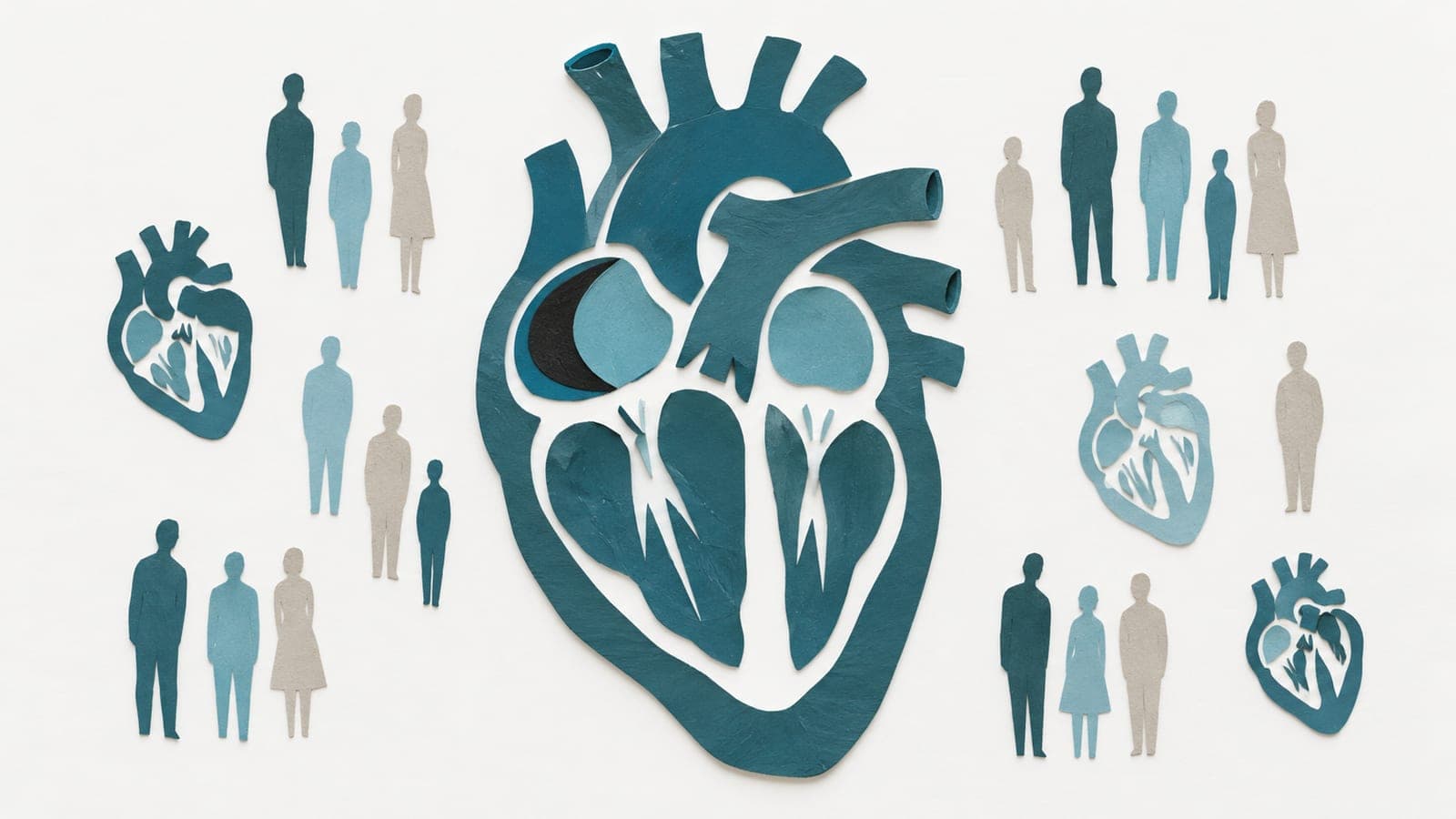
Transcatheter aortic valve replacement (TAVR) has emerged as the standard treatment for severe aortic stenosis, demonstrating comparable efficacy to traditional surgery in low and intermediate-risk patients. However, the bioprosthetic valves utilized in TAVR have a limited lifespan, and bioprosthetic valve failure, including calcification, rupture or infection may develop, leading to poor clinical outcomes. Elevated blood pressure has been identified as a key factor in aortic valve calcification, and its role in bioprosthetic valve failure is gaining increasing attention. Hypertension may accelerate the calcification process and exacerbate valve failure due to increased mechanical stress on the valve, activation of the renin-angiotensin system, and enhanced thrombus formation. Furthermore, elevated blood pressure interacts with prosthesis mismatch and paravalvular leak, jointly affecting valve durability. This review explores the impact of elevated blood pressure on bioprosthetic valve calcification and failure after TAVR, and emphasizes the importance of blood pressure control, optimized preoperative assessment, and appropriate valve selection in reducing valve failures.
The paper
Second Affiliated Hospital of Zhejiang University
Zhejiang Da Xue Xue Bao Yi Xue Ban, Mar 19, 2025, Open access