Genetic drivers of age-related changes in urinary magnesium excretion
Abstract
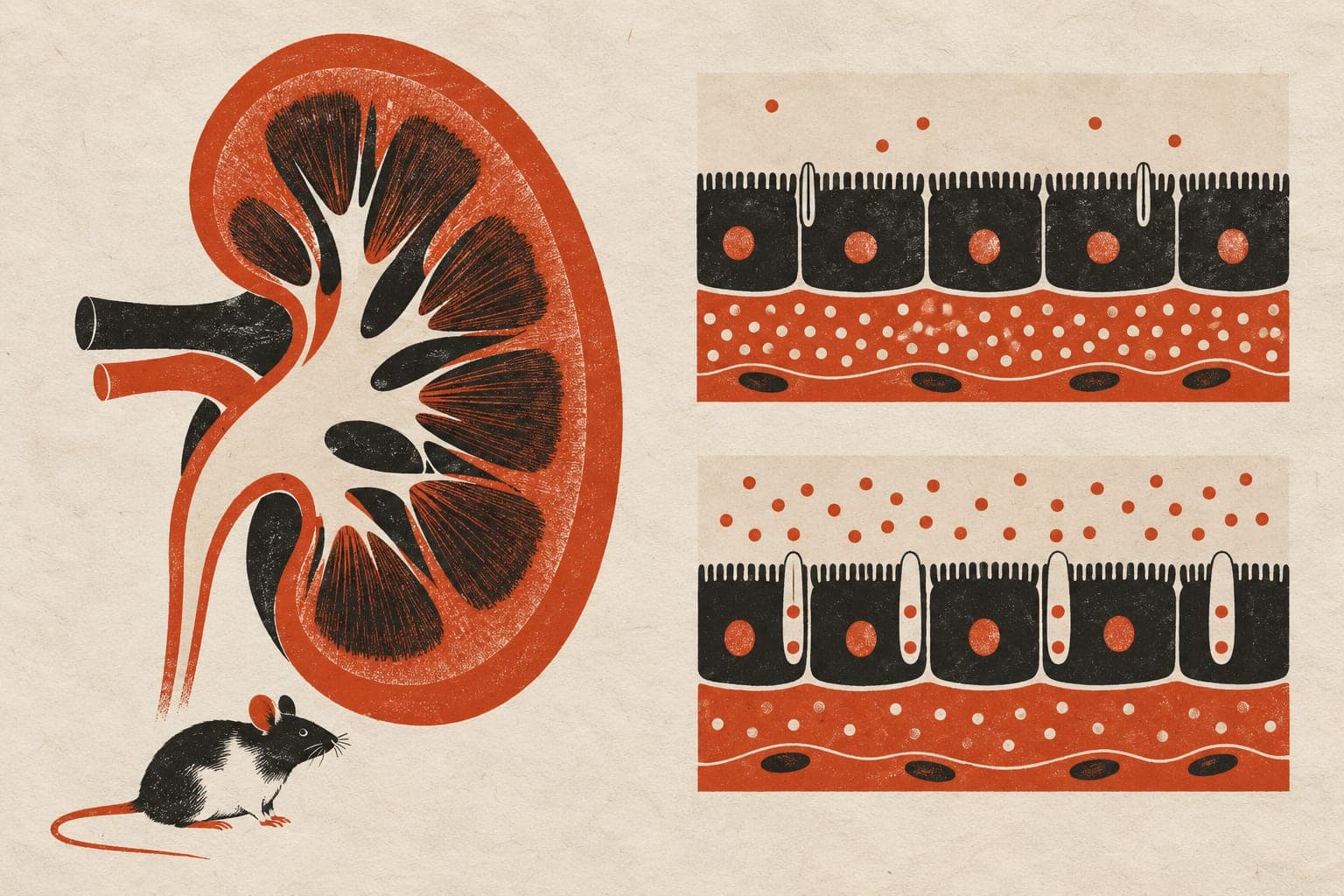
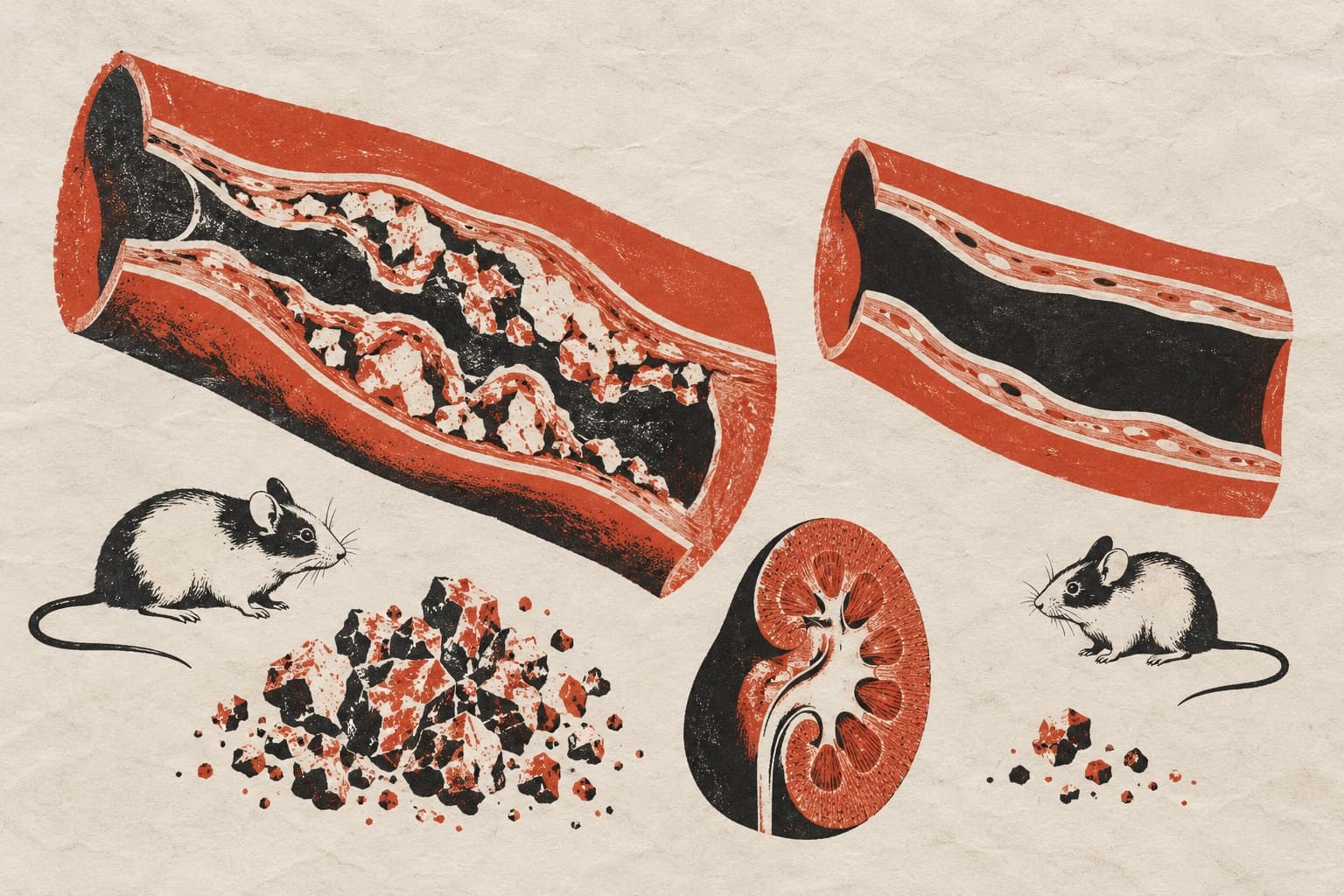
Although age-dependent alterations in urinary magnesium (Mg²⁺) excretion have been described, the underlying mechanism remains elusive. As heritability significantly contributes to variations in urinary Mg²⁺ excretion, we measured urinary Mg²⁺ excretion at different ages in a cohort of genetically variable Diversity Outbred (DO) mice. Compared with animals aged 6 mo, an increase in Mg²⁺ excretion was observed at 12 and 18 mo. Quantitative trait locus (QTL) analysis revealed an association of a locus on chromosome 10 with Mg²⁺ excretion at 6 mo of age, with Oit3 (encoding oncoprotein-induced transcript 3; OIT3) as our primary candidate gene. To study the possible role of OIT3 in renal Mg²⁺ handling, we generated and characterized Oit3 knockout (Oit3-/-) mice. Although a slightly lower serum Mg²⁺ concentration was present in male Oit3-/- mice, this effect was not observed in female Oit3-/- mice. In addition, urinary Mg²⁺ excretion and the expression of renal magnesiotropic genes were unaltered in Oit3-/- mice. For animals aged 12 and 18 mo, QTL analysis revealed an association with a locus on chromosome 19, which contains the gene encoding TRPM6, a known Mg²⁺ channel involved in renal Mg²⁺ reabsorption. Comparison with RNA sequencing (RNA-Seq) data revealed that Trpm6 mRNA expression is inversely correlated with the QTL effect, implying that TRPM6 may be involved in age-dependent changes in urinary Mg²⁺ excretion in mice. In conclusion, we show here that variants in Oit3 and Trpm6 are associated with urinary Mg²⁺ excretion at distinct periods of life, although OIT3 is unlikely to affect renal Mg²⁺ handling.NEW & NOTEWORTHY Aging increased urinary magnesium (Mg²⁺) excretion in mice. We show here that variation in Oit3, a candidate gene for the locus associated with Mg²⁺ excretion in young mice, is unlikely to be involved as knockout of Oit3 did not affect Mg²⁺ excretion. Differences in the expression of the renal Mg²⁺ channel TRPM6 may contribute to the variation in urinary Mg²⁺ excretion in older mice.
The paper
Radboud University Nijmegen; Jackson Laboratory
Physiological Genomics, 22 Jul 2024